THE ADVENTURE COLLECTIVE® · Independent discovery and booking for outdoor travel

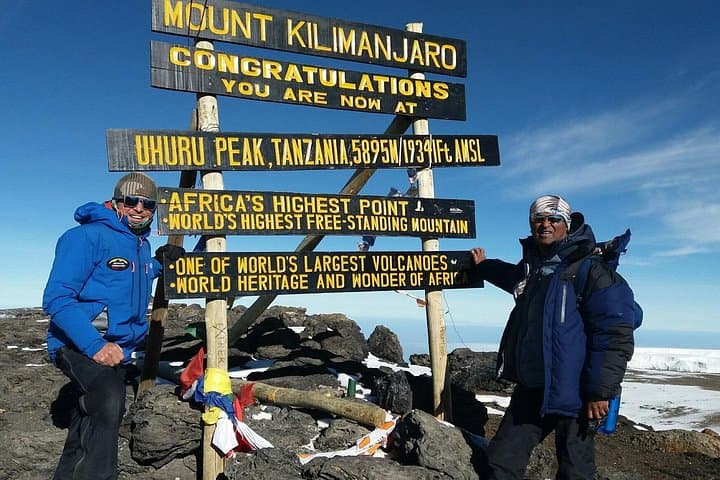
Trek six days along Kilimanjaro’s Machame Route from rainforest to the summit of Uhuru Peak. This classic itinerary balances acclimatization with raw, high-altitude exposure and expert guide support.
Trek six days along Kilimanjaro’s Machame Route from rainforest to the summit of Uhuru Peak. This classic itinerary balances acclimatization with raw, high-altitude exposure and expert guide support.
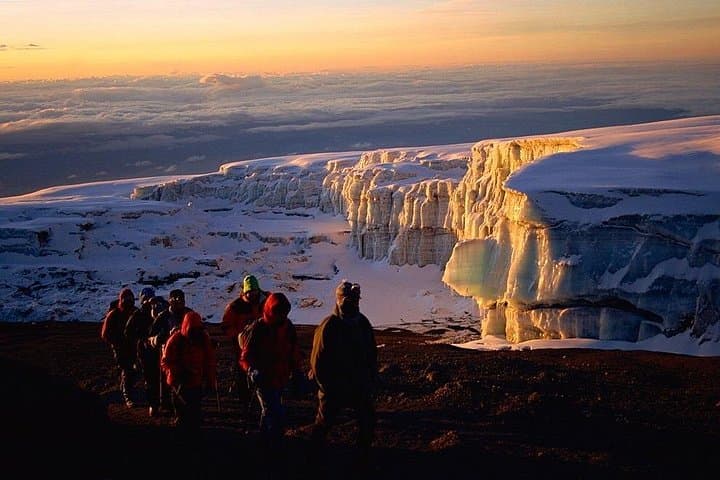
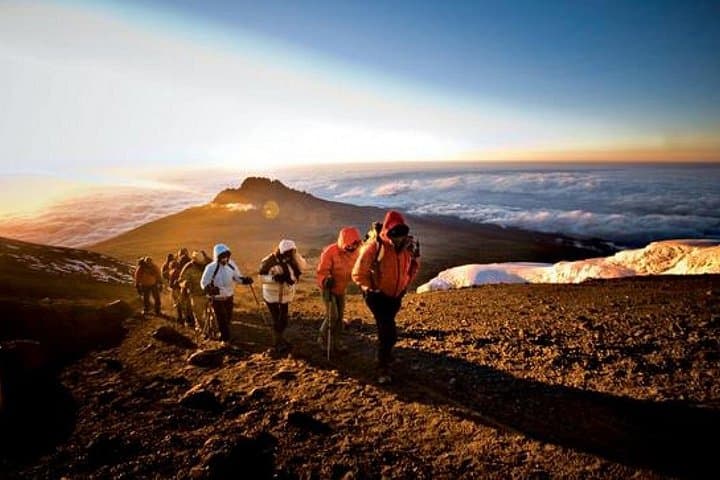
A thin, cold light wakes the line of headlamps as climbers pull on layers at Barafu Camp and step into night toward Uhuru Peak. The Machame Route moves like a story through ecosystems: rainforest that smells of damp loam, open moorland under broad skies, a jagged lava ridge, and finally alpine desert where wind and sun demand respect.
Verified experiences and guided adventures in the surrounding area.
Operated by PINNACLE ADVENTURES & SAFARIS LTD. · Moshi, Kilimanjaro Region
A thin, cold light wakes the line of headlamps as climbers pull on layers at Barafu Camp and step into night toward Uhuru Peak. The Machame Route moves like a story through ecosystems: rainforest that smells of damp loam, open moorland under broad skies, a jagged lava ridge, and finally alpine desert where wind and sun demand respect.
The route—popular since the early trekking era—follows old footpaths used by local guides and porters. Geologically, Kilimanjaro is a stratovolcano made of three cones; Kibo holds the summit glaciers that retreat each decade. Around the mountain, Chagga villages on the lower slopes maintain coffee farms and oral histories that root the climb in local culture.
Expect long days with sustained ascent, a critical acclimatization profile (Shira and Lava Tower days), and a very early summit push that tests sleep, pacing, and gear. Guides manage camps, meals, and safety; oxygen is provided only for emergencies. At lower elevations you’ll hear francolins and see giant lobelias; near the top the landscape becomes sparse and winds sculpt the light.
Practical notes: train with long hikes carrying 8–12 kg, break in boots, and practice walking at night. Hydrate steadily and eat frequently—altitude diminishes appetite. Pack windproof layers, a warm sleeping bag rated to -10°C or colder, and rely on trekking poles for summit descent. Plan extra days in Moshi before and after the trek to buffer travel and recovery. With careful preparation the Machame Route is a tough but achievable route to Africa’s roof.
Previous high-altitude experience helps but isn’t mandatory; a moderate to high fitness level and acclimatization days on the itinerary make the route achievable for many fit trekkers.
Expect temperatures between -5°C and -20°C depending on conditions; wind chill can make it feel colder, so bring appropriate insulation.
Yes, the trip includes tents, sleeping mattresses, dining tents, and meals prepared by guides and cooks at each camp.
The summit push typically starts around midnight and takes 6–8 hours round trip to Stella Point and Uhuru Peak, with a total summit-day itinerary often lasting 11–14 hours including descent.
PINNACLE ADVENTURES & SAFARIS LTD. operates guided outdoor trips and adventures with an emphasis on safety, stewardship, and memorable experiences.

A thin, cold light wakes the line of headlamps as climbers pull on layers at Barafu Camp and step into night toward Uhuru Peak. The Machame Route moves like a story through ecosystems: rainforest that smells of damp loam, open moorland under broad skies, a jagged lava ridge, and finally alpine desert where wind and sun demand respect.
A thin, cold light wakes the line of headlamps as climbers pull on layers at Barafu Camp and step into night toward Uhuru Peak. The Machame Route moves like a story through ecosystems: rainforest that smells of damp loam, open moorland under broad skies, a jagged lava ridge, and finally alpine desert where wind and sun demand respect.
The route—popular since the early trekking era—follows old footpaths used by local guides and porters. Geologically, Kilimanjaro is a stratovolcano made of three cones; Kibo holds the summit glaciers that retreat each decade. Around the mountain, Chagga villages on the lower slopes maintain coffee farms and oral histories that root the climb in local culture.
Expect long days with sustained ascent, a critical acclimatization profile (Shira and Lava Tower days), and a very early summit push that tests sleep, pacing, and gear. Guides manage camps, meals, and safety; oxygen is provided only for emergencies. At lower elevations you’ll hear francolins and see giant lobelias; near the top the landscape becomes sparse and winds sculpt the light.
Practical notes: train with long hikes carrying 8–12 kg, break in boots, and practice walking at night. Hydrate steadily and eat frequently—altitude diminishes appetite. Pack windproof layers, a warm sleeping bag rated to -10°C or colder, and rely on trekking poles for summit descent. Plan extra days in Moshi before and after the trek to buffer travel and recovery. With careful preparation the Machame Route is a tough but achievable route to Africa’s roof.