THE ADVENTURE COLLECTIVE® · Independent discovery and booking for outdoor travel

A six-day private ascent of Kilimanjaro via the Machame Route that balances steep, scenic days with careful acclimatization. Expect rainforest, alpine desert, a midnight summit push and unforgettable sunrise at Uhuru Peak.
A six-day private ascent of Kilimanjaro via the Machame Route that balances steep, scenic days with careful acclimatization. Expect rainforest, alpine desert, a midnight summit push and unforgettable sunrise at Uhuru Peak.
A wind that smells of cold stone and wet earth pushes at your jacket as you step out of the vehicle at Machame Gate. The rainforest swallows sound behind you — birds, the hush of ferns — and the path immediately begins to climb, cutting into a green corridor that will, over six days, give way to moorland, semi-desert and a brittle alpine crown. This is the Machame Route: a steep, scenic line up Mount Kilimanjaro that asks for steady legs and rewards patience with sunrise above the crater.
Verified experiences and guided adventures in the surrounding area.
Operated by Africa Exhibition Safari Agency · Moshi, Kilimanjaro Region
A wind that smells of cold stone and wet earth pushes at your jacket as you step out of the vehicle at Machame Gate. The rainforest swallows sound behind you — birds, the hush of ferns — and the path immediately begins to climb, cutting into a green corridor that will, over six days, give way to moorland, semi-desert and a brittle alpine crown. This is the Machame Route: a steep, scenic line up Mount Kilimanjaro that asks for steady legs and rewards patience with sunrise above the crater.
Machame’s track is as much geological story as a hiking route. Kilimanjaro is a dormant stratovolcano with three volcanic cones — Kibo, Mawenzi and Shira — and the Machame path traces the mountain’s southern flanks. You move through clearly defined ecological bands: lowland rainforest, heath and moorland at Shira, jagged lava towers near the Lava Tower, then the scree and ice of the summit cone. Along the way, porters and guides are part of the rhythm — local Kilimanjaro crews who read weather and altitude like a second language and who carry the camps into place every day.
Culturally, the climb brushes past Chagga farming communities below and through land that has been a source of spiritual and economic connection for generations. The route’s history is layered: early explorers’ diaries, the growing eco-tourism industry in Moshi and the contemporary push to improve porter welfare and sustainable camping practices.
Practicality holds the trip together. The itinerary is paced for acclimatization: Machame Gate (5,400 ft) to Machame Camp (9,400 ft) on day one; Shira Plateau on day two; Barranco and Barafu camps as key staging areas; then a midnight push from Barafu to Stella Point and Uhuru Peak. Expect daily distances of 5–11 km, long uphill days of 6–10 hours, and one extreme summit push that’s mostly scree and can take 6–10 hours round trip. Weather can change from tropical rain to sub-zero summit winds in hours — layers, a reliable sleeping system and a strong headlamp are non-negotiable.
To increase your chances of success: walk conservatively on summit night, drink frequently to aid acclimatization, and let guides manage pacing. The private format here means flexible timing and personalised attention, which is useful if you need extra breaks or have specific dietary needs. Final descent to Mweka Gate is muddy and fast; gaiters and poles help.
This climb is not just a physical ascent; it’s a series of transitions — green to grey, humid to crystalline — where the mountain seems to decide how it will greet you. Arrive prepared, respect the altitude, and you’ll leave with more than a certificate: a clear sense of what a high, ancient mountain requires and how small, steady steps can carry you to the roof of Africa.
No technical climbing is required; the route is non-technical but physically demanding and includes steep scree and potential snow near the summit.
June–October and late December–February are driest and most popular; shoulder months are possible but wetter, increasing trail slipperiness.
This private tour lists breakfasts, lunches and dinners throughout the itinerary and includes fees and taxes — confirm specifics with the operator before booking.
The route’s longer profile uses gradual gains, side trips and higher sleeping elevations to allow your body to adjust; follow your guide’s pace and hydrate to reduce altitude sickness risk.
Not recommended for pregnant travelers or those with serious heart conditions; a moderate level of fitness is required. Always consult your doctor for high-altitude travel advice.
Guides will prioritize safety and can arrange descent to lower camps and transport back to Moshi; you still receive a summit attempt credit if you reach required high points.
Africa Exhibition Safari Agency operates guided outdoor trips and adventures with an emphasis on safety, stewardship, and memorable experiences.
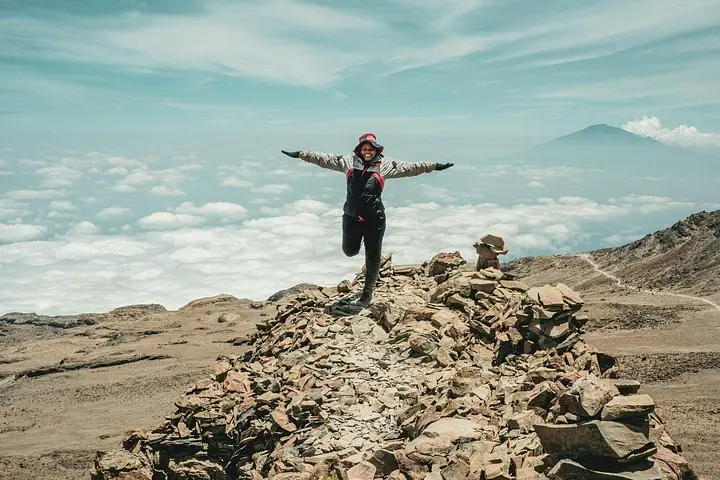
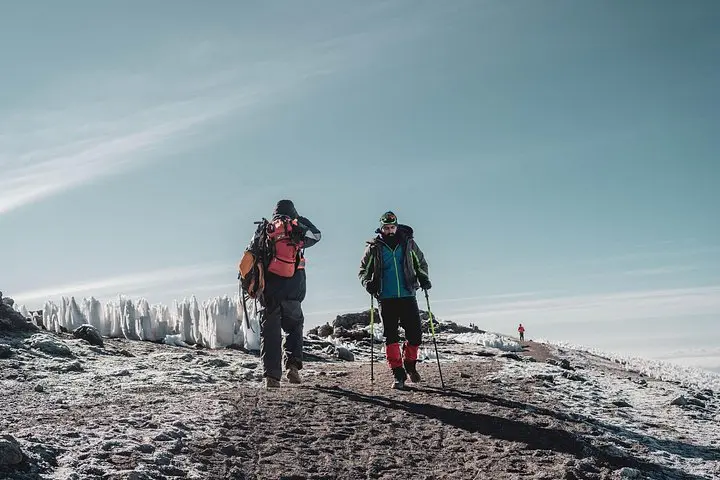
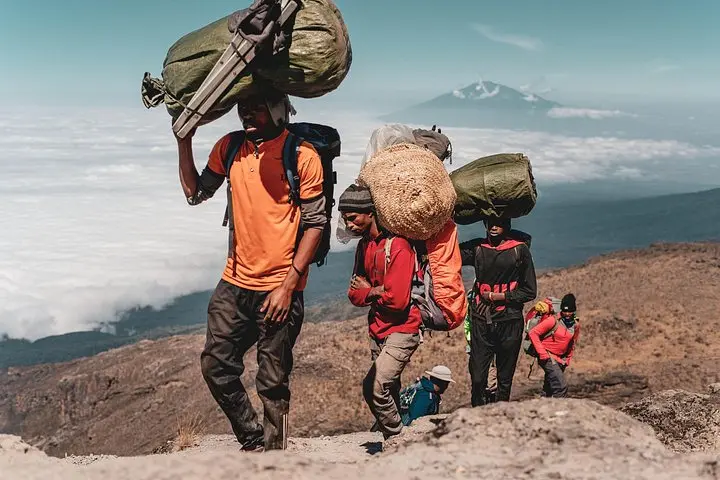
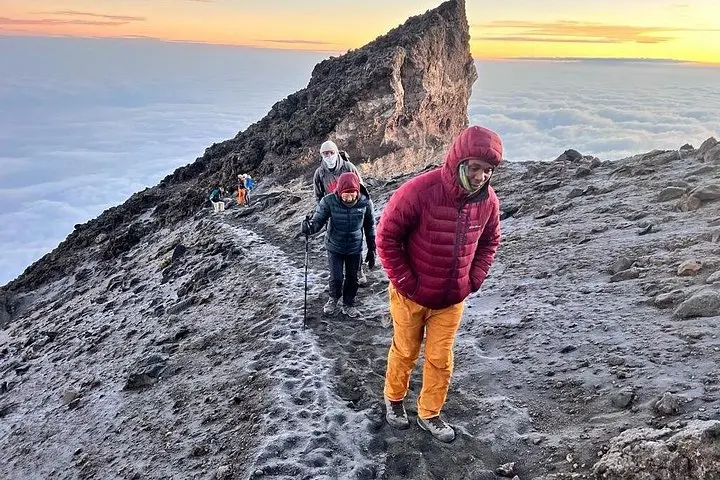
A wind that smells of cold stone and wet earth pushes at your jacket as you step out of the vehicle at Machame Gate. The rainforest swallows sound behind you — birds, the hush of ferns — and the path immediately begins to climb, cutting into a green corridor that will, over six days, give way to moorland, semi-desert and a brittle alpine crown. This is the Machame Route: a steep, scenic line up Mount Kilimanjaro that asks for steady legs and rewards patience with sunrise above the crater.
A wind that smells of cold stone and wet earth pushes at your jacket as you step out of the vehicle at Machame Gate. The rainforest swallows sound behind you — birds, the hush of ferns — and the path immediately begins to climb, cutting into a green corridor that will, over six days, give way to moorland, semi-desert and a brittle alpine crown. This is the Machame Route: a steep, scenic line up Mount Kilimanjaro that asks for steady legs and rewards patience with sunrise above the crater.
Machame’s track is as much geological story as a hiking route. Kilimanjaro is a dormant stratovolcano with three volcanic cones — Kibo, Mawenzi and Shira — and the Machame path traces the mountain’s southern flanks. You move through clearly defined ecological bands: lowland rainforest, heath and moorland at Shira, jagged lava towers near the Lava Tower, then the scree and ice of the summit cone. Along the way, porters and guides are part of the rhythm — local Kilimanjaro crews who read weather and altitude like a second language and who carry the camps into place every day.
Culturally, the climb brushes past Chagga farming communities below and through land that has been a source of spiritual and economic connection for generations. The route’s history is layered: early explorers’ diaries, the growing eco-tourism industry in Moshi and the contemporary push to improve porter welfare and sustainable camping practices.
Practicality holds the trip together. The itinerary is paced for acclimatization: Machame Gate (5,400 ft) to Machame Camp (9,400 ft) on day one; Shira Plateau on day two; Barranco and Barafu camps as key staging areas; then a midnight push from Barafu to Stella Point and Uhuru Peak. Expect daily distances of 5–11 km, long uphill days of 6–10 hours, and one extreme summit push that’s mostly scree and can take 6–10 hours round trip. Weather can change from tropical rain to sub-zero summit winds in hours — layers, a reliable sleeping system and a strong headlamp are non-negotiable.
To increase your chances of success: walk conservatively on summit night, drink frequently to aid acclimatization, and let guides manage pacing. The private format here means flexible timing and personalised attention, which is useful if you need extra breaks or have specific dietary needs. Final descent to Mweka Gate is muddy and fast; gaiters and poles help.
This climb is not just a physical ascent; it’s a series of transitions — green to grey, humid to crystalline — where the mountain seems to decide how it will greet you. Arrive prepared, respect the altitude, and you’ll leave with more than a certificate: a clear sense of what a high, ancient mountain requires and how small, steady steps can carry you to the roof of Africa.