THE ADVENTURE COLLECTIVE® · Independent discovery and booking for outdoor travel

A six-day trek via the Machame Route climbs Kilimanjaro from rainforest to glaciers, moving through Shira Plateau, Lava Tower and the Barranco Wall before a midnight summit push. This practical guide outlines what to expect—terrain, timing, and the key gear and acclimatization tips that increase your chance of success.
A six-day trek via the Machame Route climbs Kilimanjaro from rainforest to glaciers, moving through Shira Plateau, Lava Tower and the Barranco Wall before a midnight summit push. This practical guide outlines what to expect—terrain, timing, and the key gear and acclimatization tips that increase your chance of success.
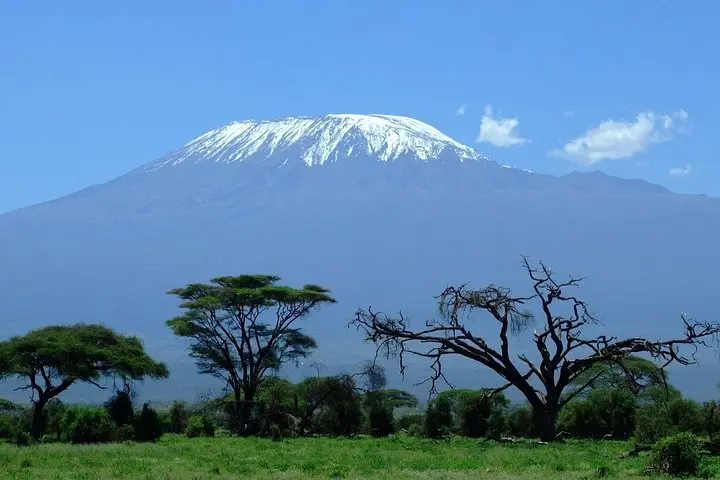
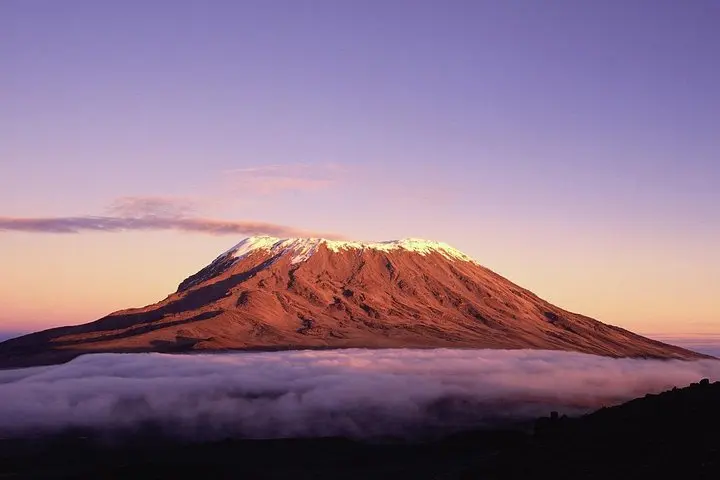
Dawn leaves Moshi in a pale wash as the road slides past coffee terraces and the mountain’s three cones looms above—clouds skirted by creaking glaciers that dare you higher. The Machame Route is a six-day climb that moves from wet montane forest into heath and moorland, across the exposed Shira Plateau (3,840 m), up to Lava Tower (4,630 m), down to Barranco, then over Karanga to Barafu and a midnight push to Stella Point (5,685 m) and Uhuru Peak (5,895 m).
Verified experiences and guided adventures in the surrounding area.
Operated by Velam Tours and Safaris LTD · Moshi, Kilimanjaro Region
Dawn leaves Moshi in a pale wash as the road slides past coffee terraces and the mountain’s three cones looms above—clouds skirted by creaking glaciers that dare you higher. The Machame Route is a six-day climb that moves from wet montane forest into heath and moorland, across the exposed Shira Plateau (3,840 m), up to Lava Tower (4,630 m), down to Barranco, then over Karanga to Barafu and a midnight push to Stella Point (5,685 m) and Uhuru Peak (5,895 m).
Geology here is blunt and readable: Kilimanjaro is a stratovolcano with Kibo the dormant summit cone, its glaciers relics of colder ages. The slope is woven with Chagga farmland and mountain villages that traditionally supply guides, porters and coffee that fuels the climb.
On the trail expect a mix of muddy, root-strewn tracks in the forest, tussock and volcanic scree on the high plateau, steep rocky steps at Barranco, and icy, wind-scoured slopes near the rim. Daily hiking times vary from 4–8 hours; summit day is the longest (roughly 6–8 hours to Stella Point, then 1–2 hours to Uhuru), and the stated itinerary records a summit-day distance near 17 km with elevations from ~4,640 m to 5,895 m.
Practical guidance: altitude is the primary hazard—allow the prescribed acclimatization, pace slowly, and monitor symptoms. Pack layers rated for freezing nights, sturdy boots with good ankle support and space for crampon use, a reliable headlamp for the summit push, and water treatment or tablets. Permits, camping equipment and meals are typically arranged by your operator; porters carry group gear but tipping and respectful conduct complete the logistics.
Machame is considered scenic and moderately steep with varied terrain; it has good acclimatization profile over six days and higher summit success than shorter routes but is more physically demanding than Lemosho beginners’ itineraries.
Yes—this package typically includes tents, cooked meals, and hot water prepared by the crew; confirm specifics with the operator before departure.
No technical rock-climbing skills are required—terrain is non-technical trekking, though some scrambling (Barranco Wall) and steep scree sections require sure footing and comfort on exposure.
Common signs include headache, poor appetite and mild nausea; prevention focuses on slow ascent, staying hydrated, eating, and reporting symptoms early so guides can adjust pace or recommend descent.
Velam Tours and Safaris LTD operates guided outdoor trips and adventures with an emphasis on safety, stewardship, and memorable experiences.
Dawn leaves Moshi in a pale wash as the road slides past coffee terraces and the mountain’s three cones looms above—clouds skirted by creaking glaciers that dare you higher. The Machame Route is a six-day climb that moves from wet montane forest into heath and moorland, across the exposed Shira Plateau (3,840 m), up to Lava Tower (4,630 m), down to Barranco, then over Karanga to Barafu and a midnight push to Stella Point (5,685 m) and Uhuru Peak (5,895 m).
Dawn leaves Moshi in a pale wash as the road slides past coffee terraces and the mountain’s three cones looms above—clouds skirted by creaking glaciers that dare you higher. The Machame Route is a six-day climb that moves from wet montane forest into heath and moorland, across the exposed Shira Plateau (3,840 m), up to Lava Tower (4,630 m), down to Barranco, then over Karanga to Barafu and a midnight push to Stella Point (5,685 m) and Uhuru Peak (5,895 m).
Geology here is blunt and readable: Kilimanjaro is a stratovolcano with Kibo the dormant summit cone, its glaciers relics of colder ages. The slope is woven with Chagga farmland and mountain villages that traditionally supply guides, porters and coffee that fuels the climb.
On the trail expect a mix of muddy, root-strewn tracks in the forest, tussock and volcanic scree on the high plateau, steep rocky steps at Barranco, and icy, wind-scoured slopes near the rim. Daily hiking times vary from 4–8 hours; summit day is the longest (roughly 6–8 hours to Stella Point, then 1–2 hours to Uhuru), and the stated itinerary records a summit-day distance near 17 km with elevations from ~4,640 m to 5,895 m.
Practical guidance: altitude is the primary hazard—allow the prescribed acclimatization, pace slowly, and monitor symptoms. Pack layers rated for freezing nights, sturdy boots with good ankle support and space for crampon use, a reliable headlamp for the summit push, and water treatment or tablets. Permits, camping equipment and meals are typically arranged by your operator; porters carry group gear but tipping and respectful conduct complete the logistics.