THE ADVENTURE COLLECTIVE® · Independent discovery and booking for outdoor travel

Start in rainforest and finish above the clouds: the 6-day Machame Route climbs Kilimanjaro in varied terrain with a midnight summit push to Uhuru Peak. This guide explains what the mountain demands and how to prepare to reach the roof of Africa.
Start in rainforest and finish above the clouds: the 6-day Machame Route climbs Kilimanjaro in varied terrain with a midnight summit push to Uhuru Peak. This guide explains what the mountain demands and how to prepare to reach the roof of Africa.
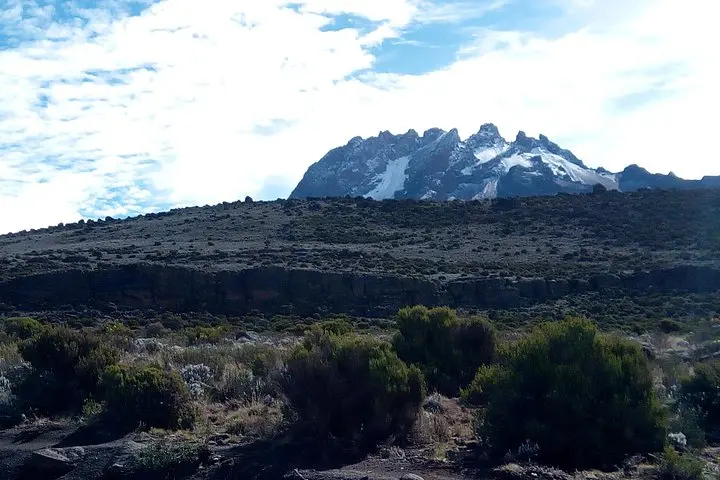
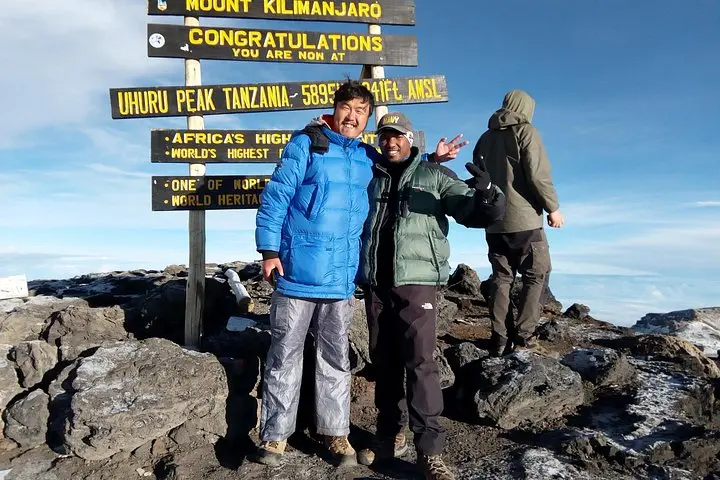
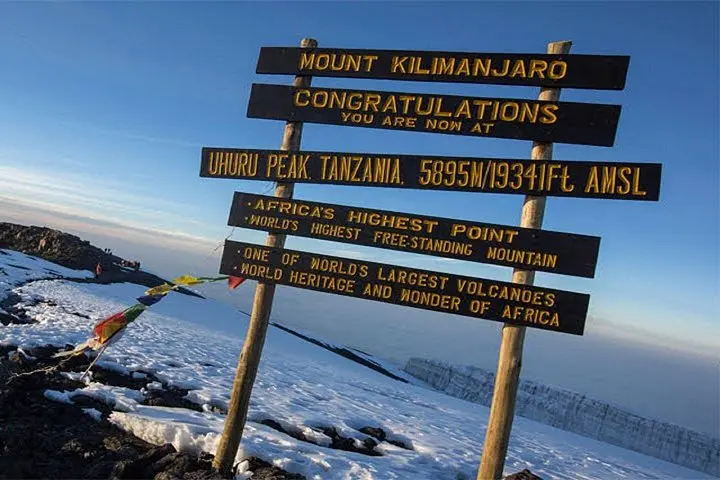
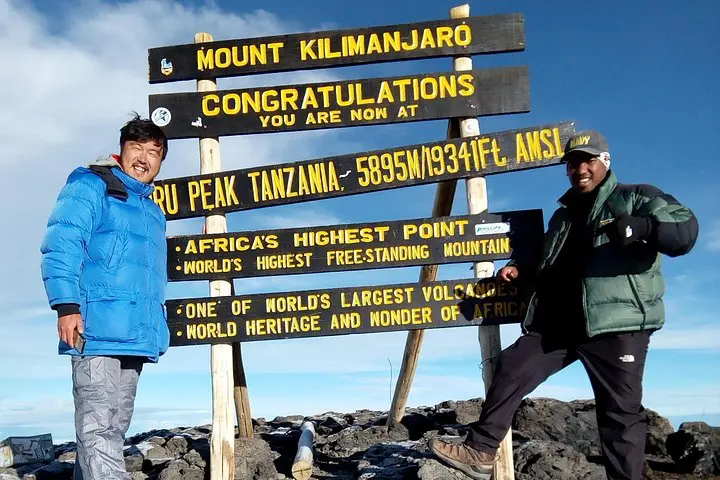
A cold moon watches the headlamp line as you leave Barafu at midnight, each step grinding through scree toward a sunrise that will feel earned. The Machame Route begins in dense, dripping rainforest and climbs through heather and moorland onto the exposed Shira Plateau, then across high desert and rocky ridges to the Southern Icefields and Uhuru Peak. The mountain moves around you — clouds scouring the slopes, wind that pushes and then softens — and the landscape changes visibly each day.
Verified experiences and guided adventures in the surrounding area.
Operated by Afro-Vertex Tours & Safaris · Moshi, Kilimanjaro Region
A cold moon watches the headlamp line as you leave Barafu at midnight, each step grinding through scree toward a sunrise that will feel earned. The Machame Route begins in dense, dripping rainforest and climbs through heather and moorland onto the exposed Shira Plateau, then across high desert and rocky ridges to the Southern Icefields and Uhuru Peak. The mountain moves around you — clouds scouring the slopes, wind that pushes and then softens — and the landscape changes visibly each day.
Kilimanjaro is a volcanic massif made of three cones: Kibo, Mawenzi and Shira; the Machame Route threads the western flanks of Kibo, using gradual altitude gain for acclimatization. The climb traverses environments important to the Chagga people who have long farmed the lower slopes and used the mountain in local stories. Expect to see colobus monkeys and olive baboons near forested stages and bare, glacial ground near the summit.
Practically: this 6-day itinerary averages 5–9 hours of trekking per day with summit night starting around midnight. Altitude is the main hazard—plan for 4,500–5,900 m exposures—so hydrate, pace slowly and prioritize sleep. Bring layered insulation, a 4-season sleeping bag, sturdy waterproof boots and trekking poles for long descents. Guides and porters handle camp logistics; still, train on sustained uphill days and test gear in cold conditions. If you have flexibility, consider a 7-day itinerary for better acclimatization and higher summit odds.
Six days is possible but tight; acclimatization is shorter than a 7-day itinerary, which generally increases summit success.
No technical mountaineering is required for the Machame Route, but you must be comfortable with steep rocky sections and high altitude.
Acute Mountain Sickness is the main concern—symptoms include headache, nausea and fatigue; descending is the primary treatment and guides monitor groups closely.
Yes; this tour includes professional guides, cooks and porters who manage camps, food and logistics—tipping is customary at trip end.
Afro-Vertex Tours & Safaris operates guided outdoor trips and adventures with an emphasis on safety, stewardship, and memorable experiences.
A cold moon watches the headlamp line as you leave Barafu at midnight, each step grinding through scree toward a sunrise that will feel earned. The Machame Route begins in dense, dripping rainforest and climbs through heather and moorland onto the exposed Shira Plateau, then across high desert and rocky ridges to the Southern Icefields and Uhuru Peak. The mountain moves around you — clouds scouring the slopes, wind that pushes and then softens — and the landscape changes visibly each day.
A cold moon watches the headlamp line as you leave Barafu at midnight, each step grinding through scree toward a sunrise that will feel earned. The Machame Route begins in dense, dripping rainforest and climbs through heather and moorland onto the exposed Shira Plateau, then across high desert and rocky ridges to the Southern Icefields and Uhuru Peak. The mountain moves around you — clouds scouring the slopes, wind that pushes and then softens — and the landscape changes visibly each day.
Kilimanjaro is a volcanic massif made of three cones: Kibo, Mawenzi and Shira; the Machame Route threads the western flanks of Kibo, using gradual altitude gain for acclimatization. The climb traverses environments important to the Chagga people who have long farmed the lower slopes and used the mountain in local stories. Expect to see colobus monkeys and olive baboons near forested stages and bare, glacial ground near the summit.
Practically: this 6-day itinerary averages 5–9 hours of trekking per day with summit night starting around midnight. Altitude is the main hazard—plan for 4,500–5,900 m exposures—so hydrate, pace slowly and prioritize sleep. Bring layered insulation, a 4-season sleeping bag, sturdy waterproof boots and trekking poles for long descents. Guides and porters handle camp logistics; still, train on sustained uphill days and test gear in cold conditions. If you have flexibility, consider a 7-day itinerary for better acclimatization and higher summit odds.