THE ADVENTURE COLLECTIVE® · Independent discovery and booking for outdoor travel

A private six-day safari that tracks the Great Migration from Tarangire and Central to Northern Serengeti before descending into Ngorongoro Crater. Expect open-top game drives, early starts, and concentrated wildlife viewing across diverse East African landscapes.
A private six-day safari that tracks the Great Migration from Tarangire and Central to Northern Serengeti before descending into Ngorongoro Crater. Expect open-top game drives, early starts, and concentrated wildlife viewing across diverse East African landscapes.
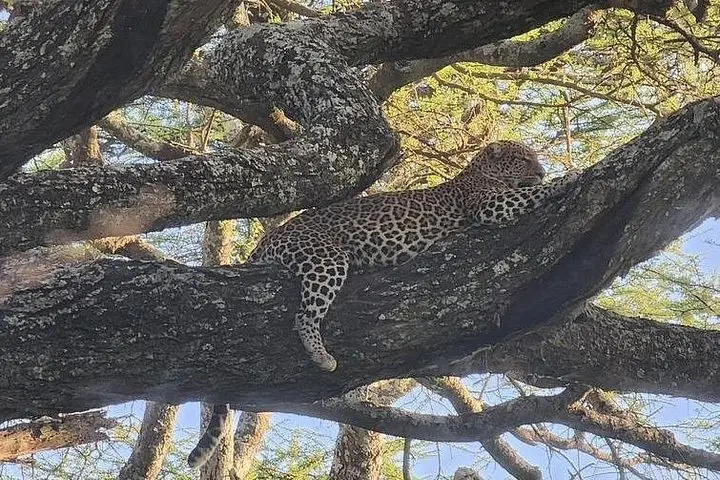
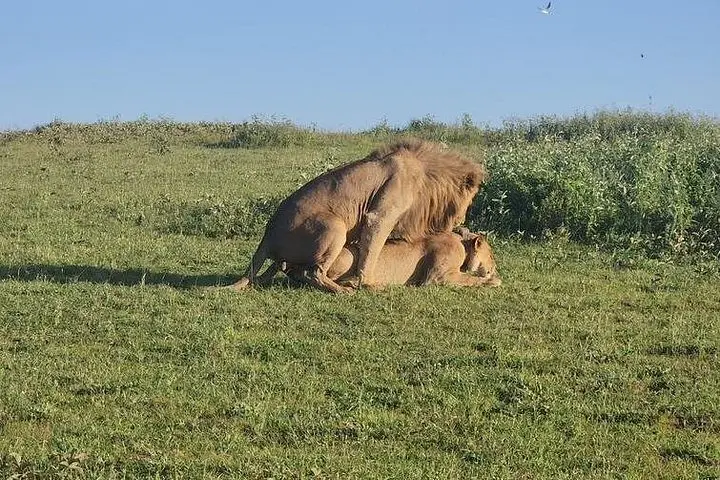
You step out of the vehicle as the sun pries itself over an endless plain — the air dry, the grasslands humming with distant hooves. Morning light slants through acacia silhouettes while a guide scans the horizon; somewhere ahead, the migration moves like a living cloud.
Verified experiences and guided adventures in the surrounding area.
Operated by Mujuni African Adventures · Arusha, Arusha Region
You step out of the vehicle as the sun pries itself over an endless plain — the air dry, the grasslands humming with distant hooves. Morning light slants through acacia silhouettes while a guide scans the horizon; somewhere ahead, the migration moves like a living cloud.
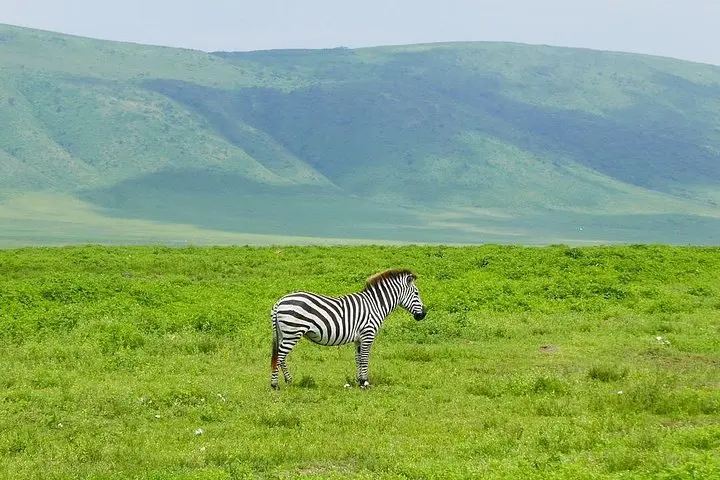
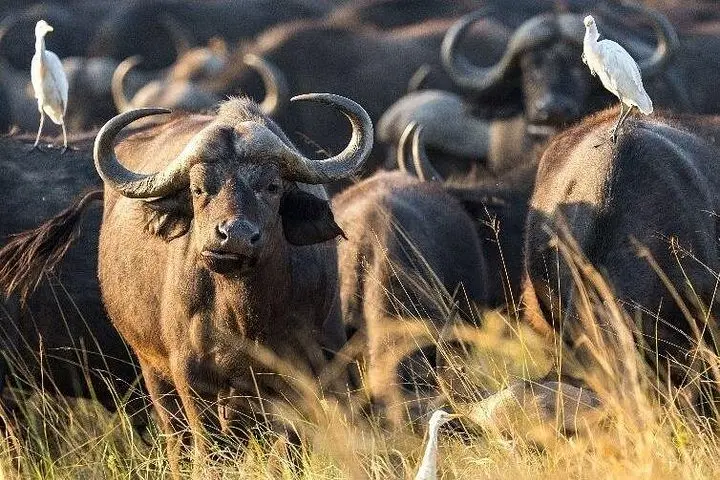
This six-day loop from Arusha threads Tarangire’s baobab-scattered floodplains, the central and northern Serengeti where millions of wildebeest and zebra stage their crossings, and the geological bowl of Ngorongoro Crater — a collapsed volcano that concentrates predators and prey within its rim. Tarangire’s seasonal river dictates wildlife patterns, while the Serengeti’s shallow soils and open grassland allow herds to travel in vast, visible lines. The Maasai have shepherded these landscapes for generations; their presence and grazing practices form a cultural backdrop to the wildlife rhythms.
Expect early pre-dawn departures, long game drives in open-top 4x4s and a mix of lodges and bush camps for evenings. Guides read spoor and sky alike: storms push herds, and river crossings can be sudden and chaotic. Practical points matter — layered clothing for chilly mornings, a firm pair of shoes for short walks at lodges, and binoculars for scanning horizons.
Photographers will favor telephoto lenses; naturalists should carry a field guide to East African mammals. Respect park rules: remain in vehicles unless instructed, and limit noise when predators hunt. This itinerary is an immersive, vehicle-based safari designed to put the Great Migration and Ngorongoro’s dense wildlife within reach — visceral, accessible, and governed by seasonal pulse rather than rigid schedule.
Consult your doctor for routine and travel vaccines (e.g., yellow fever may be required depending on origin); malaria prevention is recommended for northern Tanzania.
Inclusions vary by operator; this itinerary lists meals and lodging but confirm park entry fees and any optional extras with the tour operator before booking.
Guides maintain a safe distance dictated by park rules and animal behavior; close encounters depend on animal tolerance and park regulations.
This private safari notes suitability for all fitness levels; however, consider long drives and early starts when traveling with very young children or guests with limited mobility.
Mujuni African Adventures operates guided outdoor trips and adventures with an emphasis on safety, stewardship, and memorable experiences.
You step out of the vehicle as the sun pries itself over an endless plain — the air dry, the grasslands humming with distant hooves. Morning light slants through acacia silhouettes while a guide scans the horizon; somewhere ahead, the migration moves like a living cloud.
You step out of the vehicle as the sun pries itself over an endless plain — the air dry, the grasslands humming with distant hooves. Morning light slants through acacia silhouettes while a guide scans the horizon; somewhere ahead, the migration moves like a living cloud.
This six-day loop from Arusha threads Tarangire’s baobab-scattered floodplains, the central and northern Serengeti where millions of wildebeest and zebra stage their crossings, and the geological bowl of Ngorongoro Crater — a collapsed volcano that concentrates predators and prey within its rim. Tarangire’s seasonal river dictates wildlife patterns, while the Serengeti’s shallow soils and open grassland allow herds to travel in vast, visible lines. The Maasai have shepherded these landscapes for generations; their presence and grazing practices form a cultural backdrop to the wildlife rhythms.
Expect early pre-dawn departures, long game drives in open-top 4x4s and a mix of lodges and bush camps for evenings. Guides read spoor and sky alike: storms push herds, and river crossings can be sudden and chaotic. Practical points matter — layered clothing for chilly mornings, a firm pair of shoes for short walks at lodges, and binoculars for scanning horizons.
Photographers will favor telephoto lenses; naturalists should carry a field guide to East African mammals. Respect park rules: remain in vehicles unless instructed, and limit noise when predators hunt. This itinerary is an immersive, vehicle-based safari designed to put the Great Migration and Ngorongoro’s dense wildlife within reach — visceral, accessible, and governed by seasonal pulse rather than rigid schedule.