THE ADVENTURE COLLECTIVE® · Independent discovery and booking for outdoor travel

Trace the path of the Great Migration across Tarangire, Serengeti and the Mara River on this six-day private safari. Expect long game drives, nights in tented camps, and high chances to see dramatic river crossings and dense predator-prey interactions.
Trace the path of the Great Migration across Tarangire, Serengeti and the Mara River on this six-day private safari. Expect long game drives, nights in tented camps, and high chances to see dramatic river crossings and dense predator-prey interactions.
Dust kicks up as your 4x4 drops out of a pale Arusha dawn and into Tarangire’s baobab-studded plains. The first day sets the rhythm: long windows, patient scanning, and elephants threading through acacia shade. By day two you’re driving toward the Serengeti, the landscape opening into endless grass where the migration writes its slow, convincing arcs across the earth.
Verified experiences and guided adventures in the surrounding area.
Operated by African Overland · Serengeti National Park, Mara Region
Dust kicks up as your 4x4 drops out of a pale Arusha dawn and into Tarangire’s baobab-studded plains. The first day sets the rhythm: long windows, patient scanning, and elephants threading through acacia shade. By day two you’re driving toward the Serengeti, the landscape opening into endless grass where the migration writes its slow, convincing arcs across the earth.
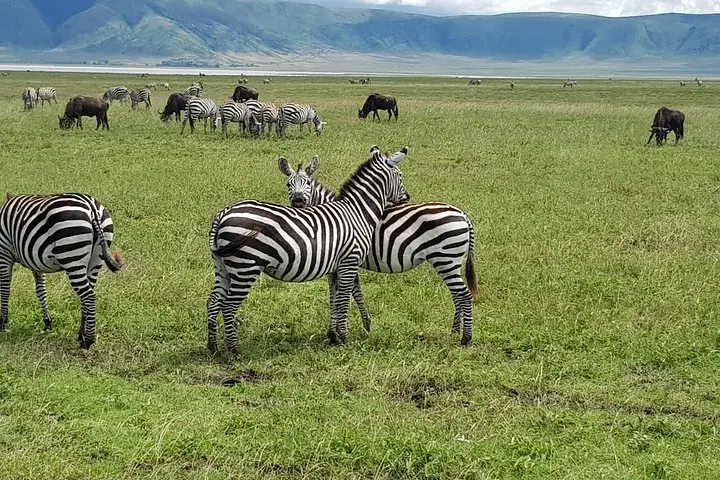
This route stitches together three iconic ecosystems: Tarangire’s elephant country, the vast plains of Serengeti where roughly 1–1.5 million wildebeest and their zebra companions sweep northward, and the Ngorongoro Crater — a volcanic caldera dropped some 600–700 metres from rim to floor. The Mara River, cutting the northern Serengeti, is geological and narrative spine of the crossing; its currents test the animals and reward patient watchers with dramatic river crossings. Along the way you’ll encounter Maasai culture near Karatu and small towns where market life and livestock shape daily rhythms.
Practical takeaways: expect multiple full-day game drives (4–8 hours in-vehicle windows), several long transfers (Arusha to Tarangire ~2.5 hours; Karatu to Serengeti 4–6 hours), and nights in tented camps and mid-range lodges. Altitude at Ngorongoro’s rim sits around 2,200–2,400 m — bring warm layers for early mornings and evenings. Binoculars, a weatherproof daypack, and a camera with a telephoto lens make a real difference. The best windows for river crossings are the dry-season months when herds concentrate along the Mara; even so, wildlife is unpredictable. Travel with patience, a sense of timing, and respect for the fragile ecosystems that make this spectacle possible.
River crossings most often occur in the dry season when herds concentrate along the river—typically July to September—though exact timing varies year to year.
Expect full-day drives of 4–8 hours with stops for picnic lunches; shorter morning or evening drives are possible depending on the day’s plan.
This itinerary combines mid-range lodges and luxury tented camps—expect basic en-suite facilities in camps and more services at lodges.
Children can join, but long drives may be hard for young kids; while some areas are vehicle-accessible, the tour notes it’s not recommended for travelers with serious spinal injuries.
African Overland operates guided outdoor trips and adventures with an emphasis on safety, stewardship, and memorable experiences.
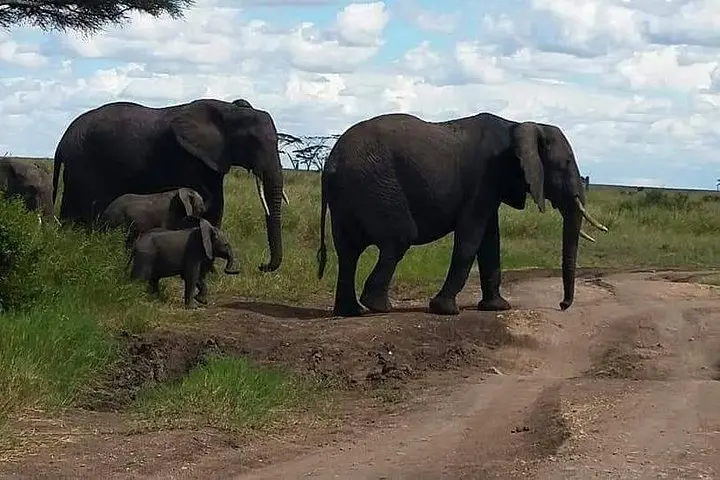
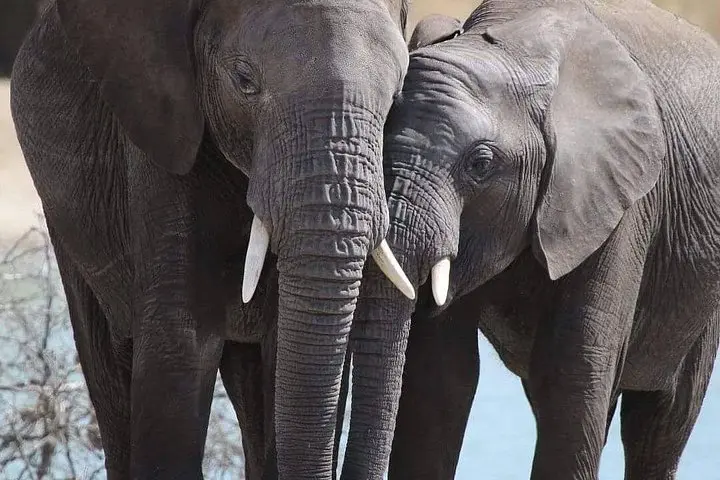
Dust kicks up as your 4x4 drops out of a pale Arusha dawn and into Tarangire’s baobab-studded plains. The first day sets the rhythm: long windows, patient scanning, and elephants threading through acacia shade. By day two you’re driving toward the Serengeti, the landscape opening into endless grass where the migration writes its slow, convincing arcs across the earth.
Dust kicks up as your 4x4 drops out of a pale Arusha dawn and into Tarangire’s baobab-studded plains. The first day sets the rhythm: long windows, patient scanning, and elephants threading through acacia shade. By day two you’re driving toward the Serengeti, the landscape opening into endless grass where the migration writes its slow, convincing arcs across the earth.
This route stitches together three iconic ecosystems: Tarangire’s elephant country, the vast plains of Serengeti where roughly 1–1.5 million wildebeest and their zebra companions sweep northward, and the Ngorongoro Crater — a volcanic caldera dropped some 600–700 metres from rim to floor. The Mara River, cutting the northern Serengeti, is geological and narrative spine of the crossing; its currents test the animals and reward patient watchers with dramatic river crossings. Along the way you’ll encounter Maasai culture near Karatu and small towns where market life and livestock shape daily rhythms.
Practical takeaways: expect multiple full-day game drives (4–8 hours in-vehicle windows), several long transfers (Arusha to Tarangire ~2.5 hours; Karatu to Serengeti 4–6 hours), and nights in tented camps and mid-range lodges. Altitude at Ngorongoro’s rim sits around 2,200–2,400 m — bring warm layers for early mornings and evenings. Binoculars, a weatherproof daypack, and a camera with a telephoto lens make a real difference. The best windows for river crossings are the dry-season months when herds concentrate along the Mara; even so, wildlife is unpredictable. Travel with patience, a sense of timing, and respect for the fragile ecosystems that make this spectacle possible.