THE ADVENTURE COLLECTIVE® · Independent discovery and booking for outdoor travel

A six-day ascent from Marangu Gate to Uhuru Peak that moves through rainforest, moorland and alpine desert. Learn what the Coca‑Cola route offers—sleeping huts, steady grades, and the practical skills you need to summit safely.
A six-day ascent from Marangu Gate to Uhuru Peak that moves through rainforest, moorland and alpine desert. Learn what the Coca‑Cola route offers—sleeping huts, steady grades, and the practical skills you need to summit safely.
You wake before midnight at Kibo Hut, headlamp cutting a pale tunnel through cold air as the mountain seems to breathe beneath your boots. The summit is a slow, steady pull above a ring of stars; below, cloud oceans hide sugarcane fields and the town lights of Moshi. Over six days the Marangu route moves you from dense montane rainforest through moorland and alpine desert to the volcanic crater rim of Uhuru Peak (5,895 m).
Verified experiences and guided adventures in the surrounding area.
Operated by Afromasai Eastern Safaris · Moshi, Kilimanjaro Region
You wake before midnight at Kibo Hut, headlamp cutting a pale tunnel through cold air as the mountain seems to breathe beneath your boots. The summit is a slow, steady pull above a ring of stars; below, cloud oceans hide sugarcane fields and the town lights of Moshi. Over six days the Marangu route moves you from dense montane rainforest through moorland and alpine desert to the volcanic crater rim of Uhuru Peak (5,895 m).
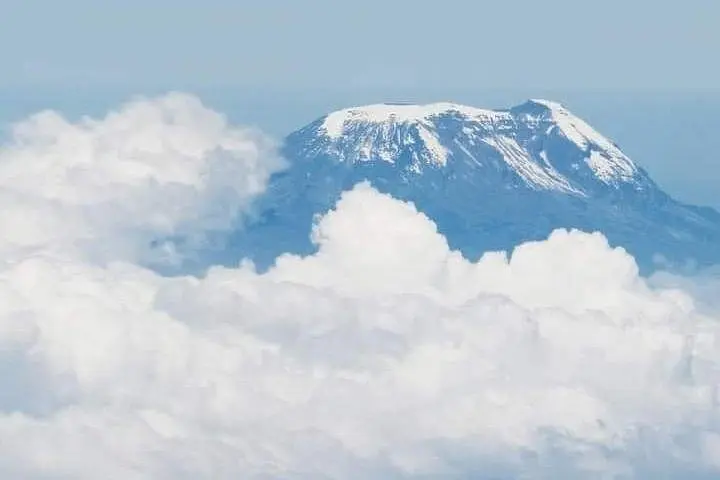
Marangu is the oldest, most established path on Kilimanjaro—often called the Coca-Cola route because of its relative accessibility and hut accommodations. Geologically, Kilimanjaro is a three-peaked stratovolcano: Shira, Mawenzi and the highest, Kibo. The trail traces ecological bands shaped by elevation: moss-draped forest, heath and giant lobelia, then stark volcanic scree. Local Chagga communities have long farmed the lower slopes, and porters and guides from nearby villages are integral to summit success.
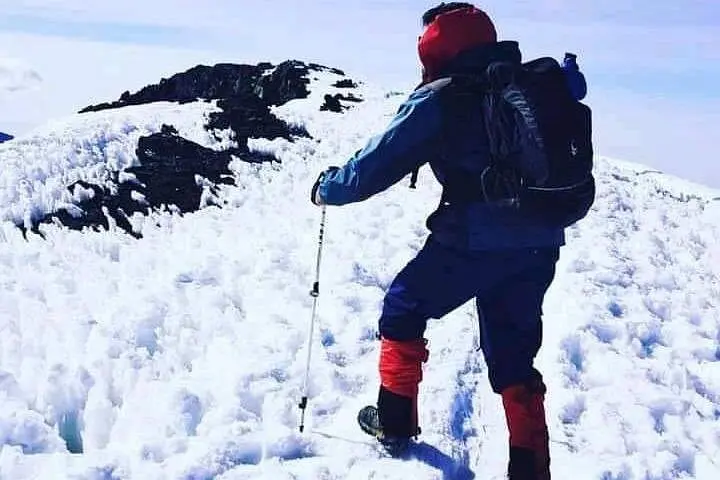
Practically, expect roughly 4,100 m of elevation gain from Marangu Gate (1,800 m) to Uhuru Peak, daily hiking of 4–8 hours, and dormitory-style A-frame huts. Acclimatization is the priority—move slow, hydrate, and heed guides about AMS symptoms. Footwear with good traction, layered insulation for summit night, sun protection for the day, and a warm sleeping liner for hut nights are essentials. The route’s gradual grade and hut system make logistics simpler, but altitude and long summit night mean this remains a challenging mountaineering objective. Plan flights, park permits, and a day buffer in Moshi for contingencies.
The clearest windows are January–March and June–October; June–August and September are especially popular for stable, dry conditions.
Yes—Marangu uses A-frame dormitory huts with mattresses; bring a warm sleeping liner and expect communal sleeping areas.
Altitude is the main risk—Marangu’s gradual profile helps, but AMS can occur; slow ascent, acclimatization days, and listening to guides are crucial.
No technical climbing skills are required for the Marangu route, though good fitness, proper cold-weather gear, and trekking experience are important.
Afromasai Eastern Safaris operates guided outdoor trips and adventures with an emphasis on safety, stewardship, and memorable experiences.
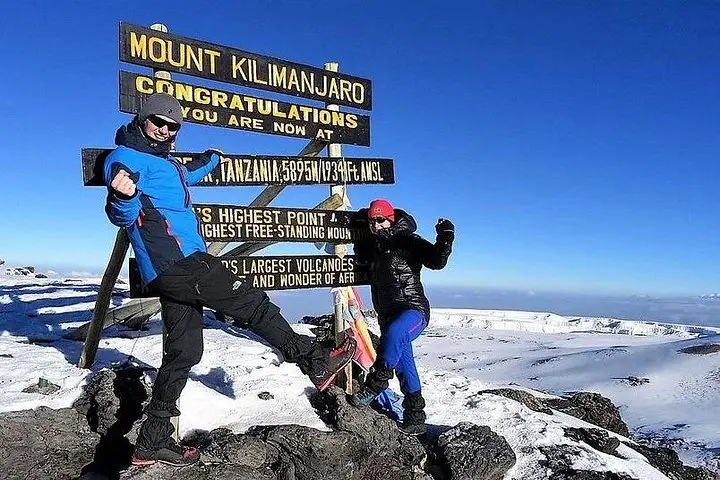
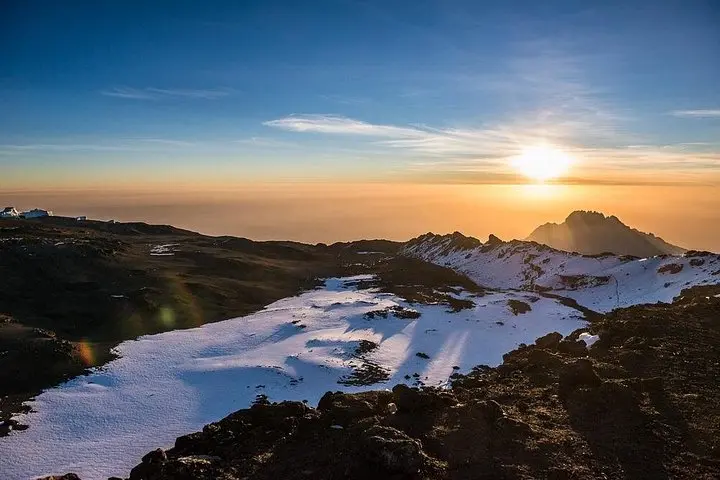
You wake before midnight at Kibo Hut, headlamp cutting a pale tunnel through cold air as the mountain seems to breathe beneath your boots. The summit is a slow, steady pull above a ring of stars; below, cloud oceans hide sugarcane fields and the town lights of Moshi. Over six days the Marangu route moves you from dense montane rainforest through moorland and alpine desert to the volcanic crater rim of Uhuru Peak (5,895 m).
You wake before midnight at Kibo Hut, headlamp cutting a pale tunnel through cold air as the mountain seems to breathe beneath your boots. The summit is a slow, steady pull above a ring of stars; below, cloud oceans hide sugarcane fields and the town lights of Moshi. Over six days the Marangu route moves you from dense montane rainforest through moorland and alpine desert to the volcanic crater rim of Uhuru Peak (5,895 m).
Marangu is the oldest, most established path on Kilimanjaro—often called the Coca-Cola route because of its relative accessibility and hut accommodations. Geologically, Kilimanjaro is a three-peaked stratovolcano: Shira, Mawenzi and the highest, Kibo. The trail traces ecological bands shaped by elevation: moss-draped forest, heath and giant lobelia, then stark volcanic scree. Local Chagga communities have long farmed the lower slopes, and porters and guides from nearby villages are integral to summit success.
Practically, expect roughly 4,100 m of elevation gain from Marangu Gate (1,800 m) to Uhuru Peak, daily hiking of 4–8 hours, and dormitory-style A-frame huts. Acclimatization is the priority—move slow, hydrate, and heed guides about AMS symptoms. Footwear with good traction, layered insulation for summit night, sun protection for the day, and a warm sleeping liner for hut nights are essentials. The route’s gradual grade and hut system make logistics simpler, but altitude and long summit night mean this remains a challenging mountaineering objective. Plan flights, park permits, and a day buffer in Moshi for contingencies.