THE ADVENTURE COLLECTIVE® · Independent discovery and booking for outdoor travel

The Marangu Route offers a classic, hut-based six-day ascent of Kilimanjaro—steady camps, local crew support and a final, moonlit push to Uhuru Peak. This practical guide outlines what to expect from terrain and altitude to gear and timing.
The Marangu Route offers a classic, hut-based six-day ascent of Kilimanjaro—steady camps, local crew support and a final, moonlit push to Uhuru Peak. This practical guide outlines what to expect from terrain and altitude to gear and timing.
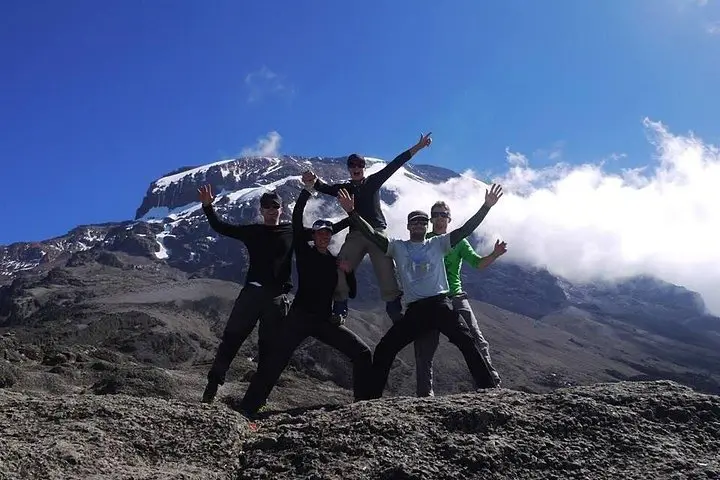
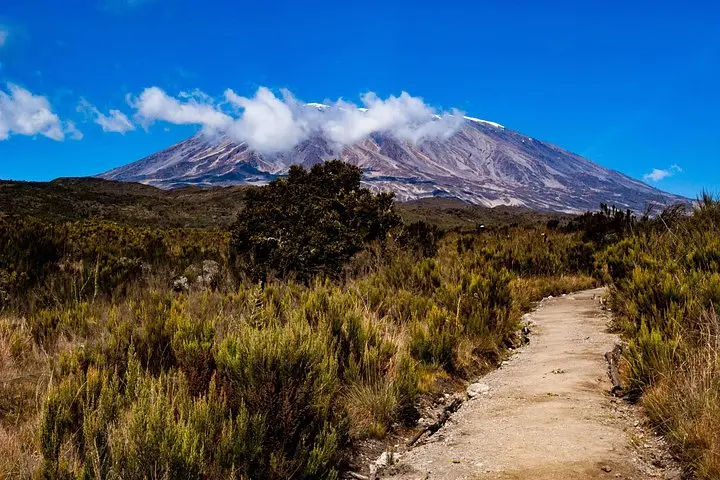
The first light on day two slices through a wet canopy as the group files past the Marangu gate and into the rainforest—moist air clings to the jacket, and colobus monkeys call from high branches. On the Marangu Route, often called the "Coca–Cola Route," the ascent is methodical: a series of steadily rising camps and well-worn paths that lead from a humid foothill to a high, wind-cut crater rim. Climbers move from rainforest to moorland to alpine desert, and finally onto the frozen lava ash that crowns Uhuru Peak.
Verified experiences and guided adventures in the surrounding area.
Operated by Aardvark Expeditions Limited · Moshi, Kilimanjaro Region
The first light on day two slices through a wet canopy as the group files past the Marangu gate and into the rainforest—moist air clings to the jacket, and colobus monkeys call from high branches. On the Marangu Route, often called the "Coca–Cola Route," the ascent is methodical: a series of steadily rising camps and well-worn paths that lead from a humid foothill to a high, wind-cut crater rim. Climbers move from rainforest to moorland to alpine desert, and finally onto the frozen lava ash that crowns Uhuru Peak.
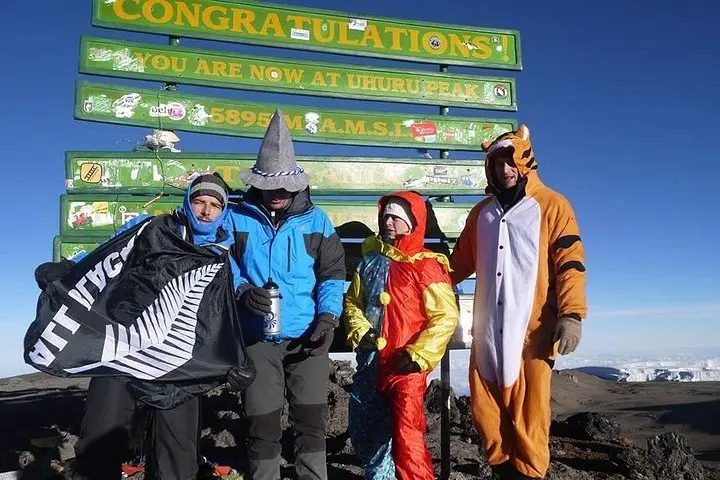
Marangu is the oldest track up Kilimanjaro and one of the few that use mountain huts rather than tents. The route’s comfort—shared stone huts at Mandara (2,700 m), Horombo (3,700 m) and Kibo (4,700 m)—makes it a popular choice for those aiming to summit without technical climbing gear. Geologically, Kilimanjaro is a stratovolcano with three volcanic cones (Shira, Mawenzi and Kibo). Climbers spend most of their final hours skirting Kibo’s crater, crossing ash fields and passing features such as Hans Meyer Cave (c. 5,200 m) and Gilman’s Point (5,715 m) before the last push to Uhuru Peak at 5,895 m.
The cultural frame is equally immediate: guides, cooks and porters are often from Chagga and Meru communities on Kilimanjaro’s slopes; their experience and local knowledge shape the climb and the meals that sustain it. Park fees, hut accommodation and an experienced climbing crew are typically included, and the route departs weekly, with caution taken during the rainy months (usually April–May).
Practical guidance is straightforward. Total elevation gain from Marangu gate (1,860 m) to Uhuru Peak is roughly 4,035 m—distributed across days to prioritize acclimatization (notably a hike to Zebra Rocks at ~3,980 m). Expect 4–6 hours of hiking on approach days and a long summit night that begins around midnight and can last 8–12 hours round-trip. Terrain varies from muddy rainforest tracks to rocky moorland and loose volcanic scree on the summit slope, so good ankle support and gaiters help.
Prepare for strong diurnal swings: warm, windproof layers for the summit, breathable base layers for the day, and a high-quality sleeping bag for hut nights. Hydration and a steady, slow pace are the best defenses against altitude illness—listen to guides, eat frequently, and allow time for the acclimatization walks.
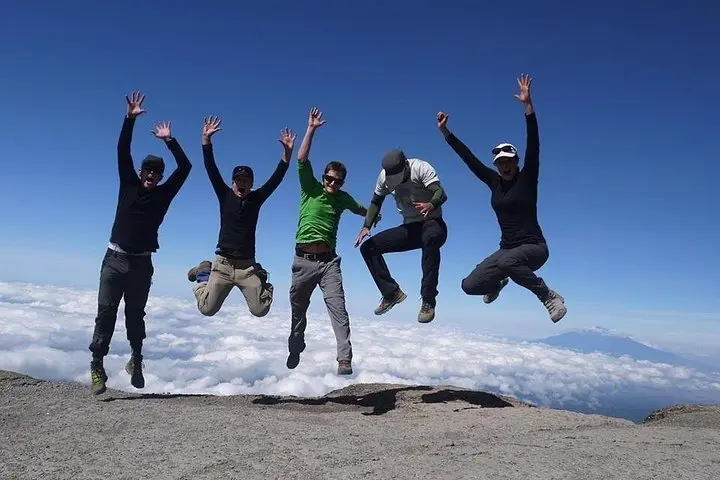
Logistics are typically handled by the operator: airport transfers to Arusha or Moshi, all ground transport, meals, sleeping mats and hut bookings are included. Climbers should carry personal essentials, travel documents (passport, permits) and any medications. For many, the reward is a stark, sunlit moment on the "Roof of Africa," where the cold air and wide horizon make the long climb feel both immediate and profoundly earned.
Huts are shared according to national park rules (typically 8–16 people per hut); sleeping mats are provided but bring your own sleeping bag.
The driest and most popular windows are January–February and June–October; the long rains in April–May make trails wet and visibility poor.
Summit night starts around midnight and is the longest and steepest segment—expect 8–12 hours round-trip with significant altitude strain.
No technical mountaineering gear is needed for the Marangu Route; crampons are not typically required but good cold-weather clothing is essential.
Acute mountain sickness can affect anyone; guides monitor symptoms and acclimatization days (like the Zebra Rocks walk) help reduce risk—carry diamox only if prescribed by a doctor.
Most operators include park/entry fees, hut accommodation, meals, and crew in the package—confirm specifics with your provider before booking.
Aardvark Expeditions Limited operates guided outdoor trips and adventures with an emphasis on safety, stewardship, and memorable experiences.
The first light on day two slices through a wet canopy as the group files past the Marangu gate and into the rainforest—moist air clings to the jacket, and colobus monkeys call from high branches. On the Marangu Route, often called the "Coca–Cola Route," the ascent is methodical: a series of steadily rising camps and well-worn paths that lead from a humid foothill to a high, wind-cut crater rim. Climbers move from rainforest to moorland to alpine desert, and finally onto the frozen lava ash that crowns Uhuru Peak.
The first light on day two slices through a wet canopy as the group files past the Marangu gate and into the rainforest—moist air clings to the jacket, and colobus monkeys call from high branches. On the Marangu Route, often called the "Coca–Cola Route," the ascent is methodical: a series of steadily rising camps and well-worn paths that lead from a humid foothill to a high, wind-cut crater rim. Climbers move from rainforest to moorland to alpine desert, and finally onto the frozen lava ash that crowns Uhuru Peak.
Marangu is the oldest track up Kilimanjaro and one of the few that use mountain huts rather than tents. The route’s comfort—shared stone huts at Mandara (2,700 m), Horombo (3,700 m) and Kibo (4,700 m)—makes it a popular choice for those aiming to summit without technical climbing gear. Geologically, Kilimanjaro is a stratovolcano with three volcanic cones (Shira, Mawenzi and Kibo). Climbers spend most of their final hours skirting Kibo’s crater, crossing ash fields and passing features such as Hans Meyer Cave (c. 5,200 m) and Gilman’s Point (5,715 m) before the last push to Uhuru Peak at 5,895 m.
The cultural frame is equally immediate: guides, cooks and porters are often from Chagga and Meru communities on Kilimanjaro’s slopes; their experience and local knowledge shape the climb and the meals that sustain it. Park fees, hut accommodation and an experienced climbing crew are typically included, and the route departs weekly, with caution taken during the rainy months (usually April–May).
Practical guidance is straightforward. Total elevation gain from Marangu gate (1,860 m) to Uhuru Peak is roughly 4,035 m—distributed across days to prioritize acclimatization (notably a hike to Zebra Rocks at ~3,980 m). Expect 4–6 hours of hiking on approach days and a long summit night that begins around midnight and can last 8–12 hours round-trip. Terrain varies from muddy rainforest tracks to rocky moorland and loose volcanic scree on the summit slope, so good ankle support and gaiters help.
Prepare for strong diurnal swings: warm, windproof layers for the summit, breathable base layers for the day, and a high-quality sleeping bag for hut nights. Hydration and a steady, slow pace are the best defenses against altitude illness—listen to guides, eat frequently, and allow time for the acclimatization walks.
Logistics are typically handled by the operator: airport transfers to Arusha or Moshi, all ground transport, meals, sleeping mats and hut bookings are included. Climbers should carry personal essentials, travel documents (passport, permits) and any medications. For many, the reward is a stark, sunlit moment on the "Roof of Africa," where the cold air and wide horizon make the long climb feel both immediate and profoundly earned.