THE ADVENTURE COLLECTIVE® · Independent discovery and booking for outdoor travel

A six-day Marangu-route climb moves from rainforest to alpine desert and finishes at Uhuru Peak. This guide explains what to expect on trail, the geology and culture around Kilimanjaro, and practical tips to reach the summit safely.
A six-day Marangu-route climb moves from rainforest to alpine desert and finishes at Uhuru Peak. This guide explains what to expect on trail, the geology and culture around Kilimanjaro, and practical tips to reach the summit safely.
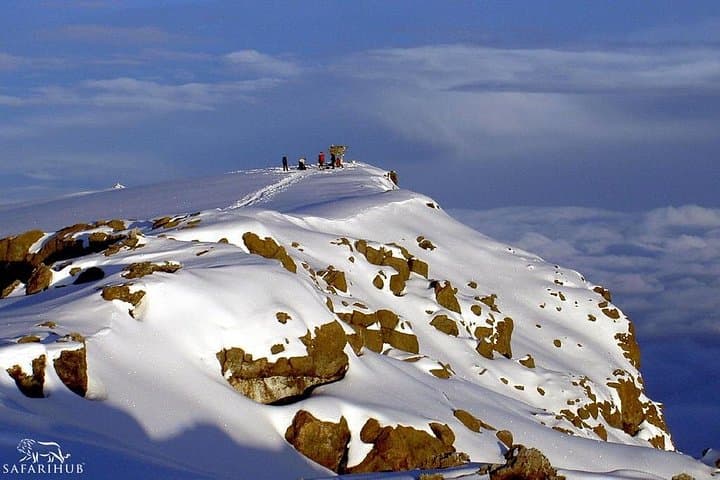
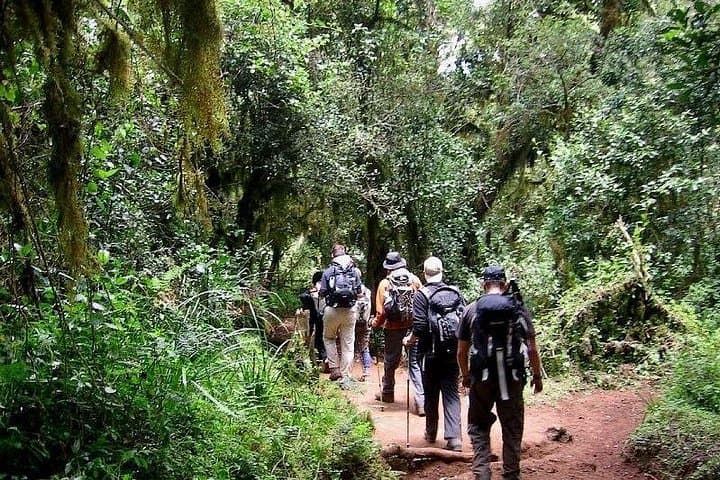
Before dawn the minivan hums out of Arusha and the road narrows into red earth. You stand at Marangu Gate under a sky gone thin with stars while porters sort duffels and guides check permits. The forest ahead breathes—moist, close, full of birdcalls and the occasional flash of a blue monkey—then opens into a landscape that changes so fast it feels like walking through time: rain forest, heather moor, windswept saddle, black volcanic desert and finally the ragged ice of Kibo. On a clear morning at Uhuru Peak the eastern horizon pushes up a light that makes the glaciers look fragile and modern history feel immediate.
Verified experiences and guided adventures in the surrounding area.
Operated by TaraLight Safari Tours · Marangu, Kilimanjaro Region
Before dawn the minivan hums out of Arusha and the road narrows into red earth. You stand at Marangu Gate under a sky gone thin with stars while porters sort duffels and guides check permits. The forest ahead breathes—moist, close, full of birdcalls and the occasional flash of a blue monkey—then opens into a landscape that changes so fast it feels like walking through time: rain forest, heather moor, windswept saddle, black volcanic desert and finally the ragged ice of Kibo. On a clear morning at Uhuru Peak the eastern horizon pushes up a light that makes the glaciers look fragile and modern history feel immediate.
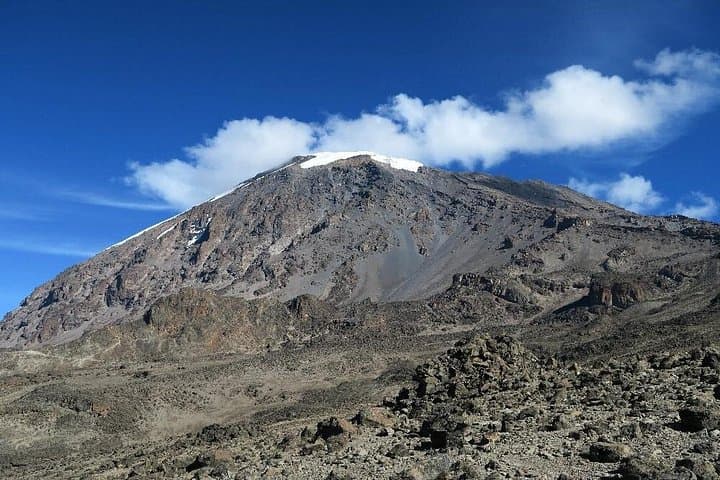
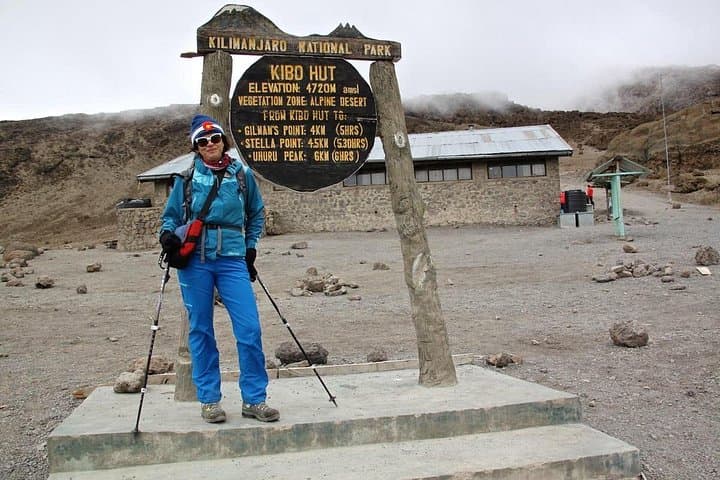
Kilimanjaro is a stratovolcano built from three cones—Kibo, Mawenzi and Shira—and the route from Marangu threads the southern slopes traditionally used by local traders and the Chagga people who farm the lower flanks. Colonial-era explorers mapped these trails and modern climbers follow a carved path of huts and camps—Mandara, Horombo, Kibo—each a marker in the climb’s slow ascent in altitude and effort.
Geologically the mountain is young and restless: volcanic rock gives way to scree and then to periglacial ice near the summit. The glaciers that cap Kibo have been retreating for decades; you can see their ragged edges from the crater rim. Cultural notes matter here too—many of the guides are from nearby villages and carry not just gear but local knowledge: where to spot colobus monkeys, where the last water point waits, how to read the weather.
Practical guidance: this 6-day itinerary covers roughly 60–80 km of walking with daily gains up to 1,000 m and a summit push to 5,895 m. The Marangu route uses huts and dormitories on several nights, but expect basic facilities and cold. Acclimatization is built into the schedule with a rest day and a high-altitude day hike from Horombo. Start training with long hikes and stair work, and plan for slow, steady steps on summit night—move by pace, not pride.
Bring layered insulation, a reliable sleeping bag rated to -10°C, and a hydration system; altitude is the primary challenge, not technical climbing. Watch for symptoms of AMS (headache, nausea, fatigue) and communicate them early—guides can adjust pace, provide oxygen, or recommend descent. Book permits and park fees in advance and allow time in Arusha for logistics and last-minute gear. At the end of six days you trade the grit of volcanic scree for hot showers and local beer, with the summit still clinging in memory: cold, thin, and unmistakably high.
No technical climbing skills are required; the route is a long, high-altitude trek rather than a technical climb, but good fitness and acclimatization are essential.
The clearest windows are January–February and June–October. Short and long rainy seasons (March–May and October–November) bring more mud and cloud.
Altitude sickness is the primary risk—symptoms can range from headache to severe illness. The six-day itinerary includes acclimatization, but monitor symptoms and prioritize descent if they worsen.
Huts provide bunk beds and basic shelter but limited heating; a good sleeping bag is important. A closed-cell foam pad is useful but many operators provide mattresses.
Porters typically carry up to a regulated weight (often around 15–20 kg depending on operator). Confirm limits and pack essentials you’ll need on summit night in a small daypack.
You need park entry permits and government park fees; your operator usually handles these and registration at Marangu Gate. Bring passport and confirmation details.
TaraLight Safari Tours operates guided outdoor trips and adventures with an emphasis on safety, stewardship, and memorable experiences.
Before dawn the minivan hums out of Arusha and the road narrows into red earth. You stand at Marangu Gate under a sky gone thin with stars while porters sort duffels and guides check permits. The forest ahead breathes—moist, close, full of birdcalls and the occasional flash of a blue monkey—then opens into a landscape that changes so fast it feels like walking through time: rain forest, heather moor, windswept saddle, black volcanic desert and finally the ragged ice of Kibo. On a clear morning at Uhuru Peak the eastern horizon pushes up a light that makes the glaciers look fragile and modern history feel immediate.
Before dawn the minivan hums out of Arusha and the road narrows into red earth. You stand at Marangu Gate under a sky gone thin with stars while porters sort duffels and guides check permits. The forest ahead breathes—moist, close, full of birdcalls and the occasional flash of a blue monkey—then opens into a landscape that changes so fast it feels like walking through time: rain forest, heather moor, windswept saddle, black volcanic desert and finally the ragged ice of Kibo. On a clear morning at Uhuru Peak the eastern horizon pushes up a light that makes the glaciers look fragile and modern history feel immediate.
Kilimanjaro is a stratovolcano built from three cones—Kibo, Mawenzi and Shira—and the route from Marangu threads the southern slopes traditionally used by local traders and the Chagga people who farm the lower flanks. Colonial-era explorers mapped these trails and modern climbers follow a carved path of huts and camps—Mandara, Horombo, Kibo—each a marker in the climb’s slow ascent in altitude and effort.
Geologically the mountain is young and restless: volcanic rock gives way to scree and then to periglacial ice near the summit. The glaciers that cap Kibo have been retreating for decades; you can see their ragged edges from the crater rim. Cultural notes matter here too—many of the guides are from nearby villages and carry not just gear but local knowledge: where to spot colobus monkeys, where the last water point waits, how to read the weather.
Practical guidance: this 6-day itinerary covers roughly 60–80 km of walking with daily gains up to 1,000 m and a summit push to 5,895 m. The Marangu route uses huts and dormitories on several nights, but expect basic facilities and cold. Acclimatization is built into the schedule with a rest day and a high-altitude day hike from Horombo. Start training with long hikes and stair work, and plan for slow, steady steps on summit night—move by pace, not pride.
Bring layered insulation, a reliable sleeping bag rated to -10°C, and a hydration system; altitude is the primary challenge, not technical climbing. Watch for symptoms of AMS (headache, nausea, fatigue) and communicate them early—guides can adjust pace, provide oxygen, or recommend descent. Book permits and park fees in advance and allow time in Arusha for logistics and last-minute gear. At the end of six days you trade the grit of volcanic scree for hot showers and local beer, with the summit still clinging in memory: cold, thin, and unmistakably high.