THE ADVENTURE COLLECTIVE® · Independent discovery and booking for outdoor travel

A six‑day hut‑based climb on the Marangu Route takes you from tropical rainforest to the icy rim of Kibo. Expect steady altitude gain, communal huts, and a pre‑dawn summit push to Uhuru Peak.
A six‑day hut‑based climb on the Marangu Route takes you from tropical rainforest to the icy rim of Kibo. Expect steady altitude gain, communal huts, and a pre‑dawn summit push to Uhuru Peak.
Night compresses the rainforest into close, dark sounds; headlamps cut thin slices of light as crews stir outside the hut. The Marangu Route begins in warm, dripping forest and climbs through timberline into heath and moor, then across the barren saddle toward Kibo’s black volcanic scree — a six‑day progression from jungle humidity to the thin, cold air at Uhuru Peak.
Verified experiences and guided adventures in the surrounding area.
Operated by Active Planet Safaris · Marangu, Kilimanjaro Region
Night compresses the rainforest into close, dark sounds; headlamps cut thin slices of light as crews stir outside the hut. The Marangu Route begins in warm, dripping forest and climbs through timberline into heath and moor, then across the barren saddle toward Kibo’s black volcanic scree — a six‑day progression from jungle humidity to the thin, cold air at Uhuru Peak.
Kilimanjaro is a stratovolcano made of three cones: Mawenzi, Kibo and Shira. The Marangu Route follows established paths first used by local Chagga people and later by early European explorers; along the way guides share Chagga stories and point out irrigation terraces, introduced crops, and volcanic features such as the Maundi crater and Zebra Rocks.
Expect hut-to-hut nights, communal dining, and steady altitude gain that demands patience more than technical skill. The trail shifts underfoot — muddy rainforest roots, tussock and heather in the moor, then loose volcanic scree above 4,700m. Your summit push begins around midnight, when the mountain’s cold and silence press close and the first light finds you at Gilman’s Point before the final ridge to Uhuru.
Practical guidance: pace conservatively, use the acclimatization day to reduce acute mountain sickness risk, and rely on layered clothing: nights are subzero, daytime can be warm. Hydrate regularly — the oxygen deficit increases water needs — and keep a small daypack with essential warm layers and a headlamp for pre‑dawn starts. Huts provide shelter and hot meals, but sturdy boots, trekking poles and a respectful attitude toward crew and the natural environment will make the difference between a hard day and a successful summit.
No technical skills are required; the Marangu Route is a non‑technical trek, but high‑altitude experience and good fitness improve success chances.
This itinerary uses hut accommodation along the Marangu Route — shared dormitories with basic facilities rather than tents.
The itinerary includes an acclimatization day, slow ascent, regular health checks and emergency oxygen; communicate symptoms early and follow guide instructions.
The clearest windows are January–March and June–October; the operator can advise on current conditions and park availability.
Active Planet Safaris operates guided outdoor trips and adventures with an emphasis on safety, stewardship, and memorable experiences.
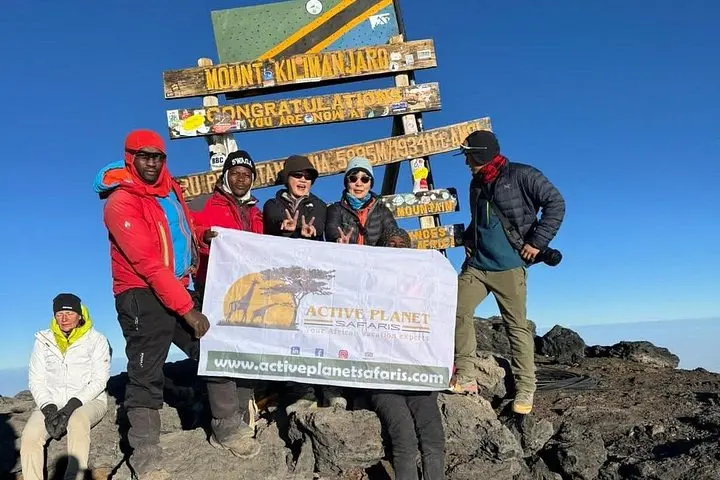
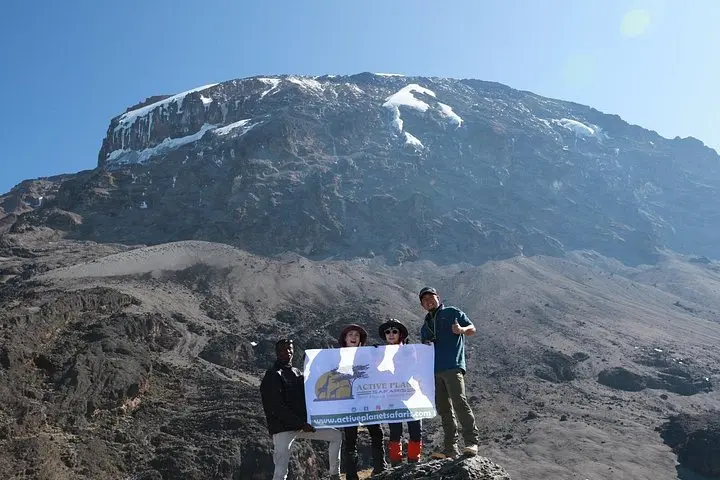
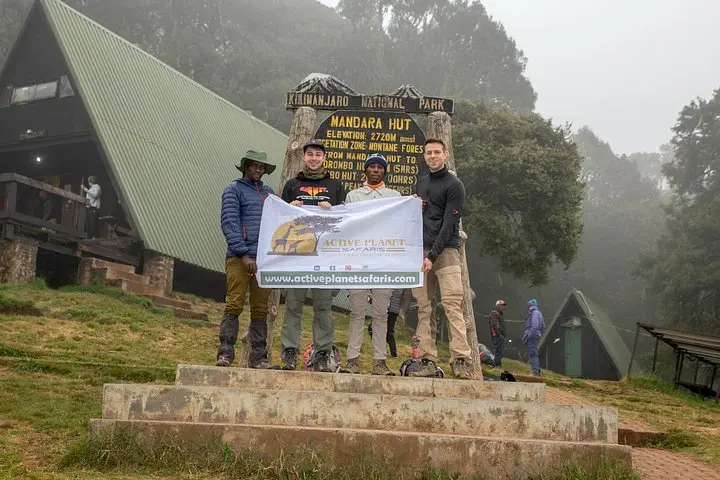
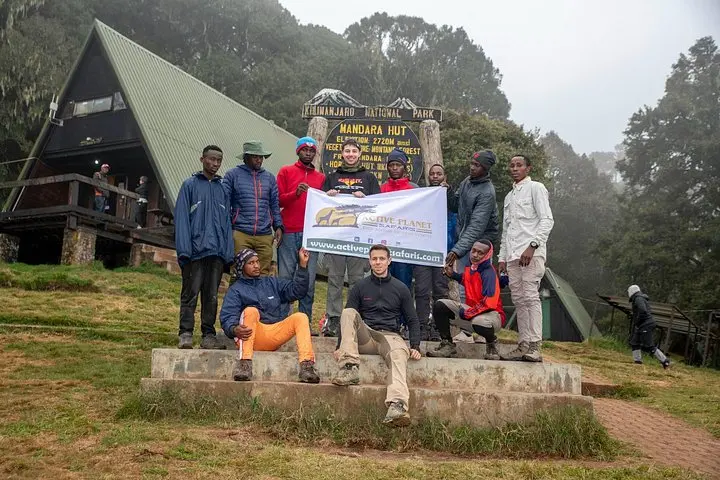
Night compresses the rainforest into close, dark sounds; headlamps cut thin slices of light as crews stir outside the hut. The Marangu Route begins in warm, dripping forest and climbs through timberline into heath and moor, then across the barren saddle toward Kibo’s black volcanic scree — a six‑day progression from jungle humidity to the thin, cold air at Uhuru Peak.
Night compresses the rainforest into close, dark sounds; headlamps cut thin slices of light as crews stir outside the hut. The Marangu Route begins in warm, dripping forest and climbs through timberline into heath and moor, then across the barren saddle toward Kibo’s black volcanic scree — a six‑day progression from jungle humidity to the thin, cold air at Uhuru Peak.
Kilimanjaro is a stratovolcano made of three cones: Mawenzi, Kibo and Shira. The Marangu Route follows established paths first used by local Chagga people and later by early European explorers; along the way guides share Chagga stories and point out irrigation terraces, introduced crops, and volcanic features such as the Maundi crater and Zebra Rocks.
Expect hut-to-hut nights, communal dining, and steady altitude gain that demands patience more than technical skill. The trail shifts underfoot — muddy rainforest roots, tussock and heather in the moor, then loose volcanic scree above 4,700m. Your summit push begins around midnight, when the mountain’s cold and silence press close and the first light finds you at Gilman’s Point before the final ridge to Uhuru.
Practical guidance: pace conservatively, use the acclimatization day to reduce acute mountain sickness risk, and rely on layered clothing: nights are subzero, daytime can be warm. Hydrate regularly — the oxygen deficit increases water needs — and keep a small daypack with essential warm layers and a headlamp for pre‑dawn starts. Huts provide shelter and hot meals, but sturdy boots, trekking poles and a respectful attitude toward crew and the natural environment will make the difference between a hard day and a successful summit.