THE ADVENTURE COLLECTIVE® · Independent discovery and booking for outdoor travel

Hike a well-established, hut-supported line up Kilimanjaro’s Marangu Route over six days—rainforest, moorland, a lunar Saddle and a midnight summit push to Uhuru Peak. This guided itinerary emphasizes acclimatization, local support crews and steady pacing for a higher chance of success.
Hike a well-established, hut-supported line up Kilimanjaro’s Marangu Route over six days—rainforest, moorland, a lunar Saddle and a midnight summit push to Uhuru Peak. This guided itinerary emphasizes acclimatization, local support crews and steady pacing for a higher chance of success.
You leave the lowland town behind and enter a living cathedral of cloud forest; moss-draped trunks brush your sleeves and the trail rises with a steady, honest rhythm. Early on the Marangu Route you feel Mawenzi and Kibo like slow-moving giants, their volcanic shoulders appearing through breaks in the canopy as the air thins and the vegetation morphs into heath and moorland.
Verified experiences and guided adventures in the surrounding area.
Operated by Suricata Safaris · Moshi, Kilimanjaro Region
You leave the lowland town behind and enter a living cathedral of cloud forest; moss-draped trunks brush your sleeves and the trail rises with a steady, honest rhythm. Early on the Marangu Route you feel Mawenzi and Kibo like slow-moving giants, their volcanic shoulders appearing through breaks in the canopy as the air thins and the vegetation morphs into heath and moorland.
This classic Coca‑Cola Route carries a history of early 20th‑century exploration and the island‑like geology of Kilimanjaro—three volcanic cones stacked by time, shaped by glaciers that once carved cirques now dotted with scree. The local Chagga people have long lived on Kili's lower slopes; porters and hut wardens continue that connection, sharing stewed beans, roasted maize and stories over the stove in the mountain huts.
Expect six days of progressive ascent: rainforest to Mandara Hut, open moorland to Horombo, an acclimatization day with optional Mawenzi Ridge, then the lunar Saddle to Kibo Hut before a midnight summit push to Gilman's Point and Uhuru Peak. Huts provide bunk-style shelter and meals; overnight temperatures swing from cool at Horombo to near freezing above 4,500 m.
Practical guidance: pace conservatively for altitude, drink frequently, carry layers for high winds and cold nights, and use a headlamp for night summit moves. Porters support you, but personal fitness—regular uphill hiking and aerobic conditioning—makes the difference. If you want a well‑paced, guided route with hut support and a realistic shot at Africa’s highest point, the Marangu Route remains one of the most straightforward and culturally grounded ways to earn it.
Marangu is one of the more straightforward summit routes because of hut accommodations and a well‑marked trail, but altitude and long summit hours make it physically demanding.
No technical climbing skills are required; however, prior multi‑day hiking experience and specific altitude preparedness are important.
Hut dormitories provide bunk beds and mattresses; meals are communal and cooked by the crew—expect hearty stews, rice, and tea to fuel long days.
Guides monitor symptoms, enforce slow pacing, recommend hydration, and use acclimatization days; evacuation plans and oxygen are available with organized operators.
Suricata Safaris operates guided outdoor trips and adventures with an emphasis on safety, stewardship, and memorable experiences.


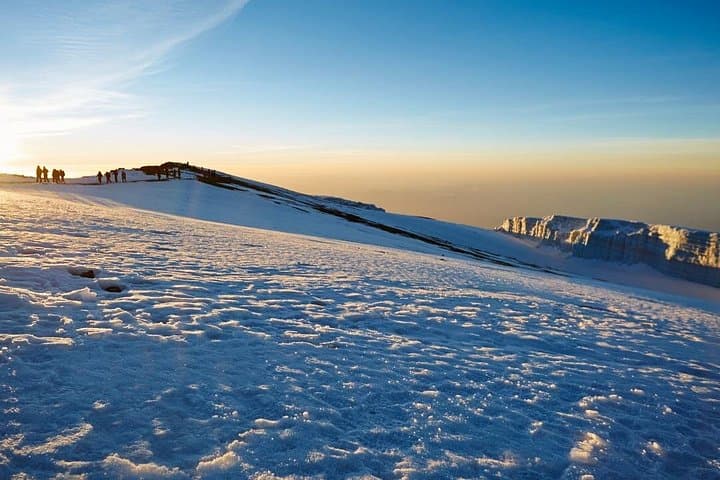

You leave the lowland town behind and enter a living cathedral of cloud forest; moss-draped trunks brush your sleeves and the trail rises with a steady, honest rhythm. Early on the Marangu Route you feel Mawenzi and Kibo like slow-moving giants, their volcanic shoulders appearing through breaks in the canopy as the air thins and the vegetation morphs into heath and moorland.
You leave the lowland town behind and enter a living cathedral of cloud forest; moss-draped trunks brush your sleeves and the trail rises with a steady, honest rhythm. Early on the Marangu Route you feel Mawenzi and Kibo like slow-moving giants, their volcanic shoulders appearing through breaks in the canopy as the air thins and the vegetation morphs into heath and moorland.
This classic Coca‑Cola Route carries a history of early 20th‑century exploration and the island‑like geology of Kilimanjaro—three volcanic cones stacked by time, shaped by glaciers that once carved cirques now dotted with scree. The local Chagga people have long lived on Kili's lower slopes; porters and hut wardens continue that connection, sharing stewed beans, roasted maize and stories over the stove in the mountain huts.
Expect six days of progressive ascent: rainforest to Mandara Hut, open moorland to Horombo, an acclimatization day with optional Mawenzi Ridge, then the lunar Saddle to Kibo Hut before a midnight summit push to Gilman's Point and Uhuru Peak. Huts provide bunk-style shelter and meals; overnight temperatures swing from cool at Horombo to near freezing above 4,500 m.
Practical guidance: pace conservatively for altitude, drink frequently, carry layers for high winds and cold nights, and use a headlamp for night summit moves. Porters support you, but personal fitness—regular uphill hiking and aerobic conditioning—makes the difference. If you want a well‑paced, guided route with hut support and a realistic shot at Africa’s highest point, the Marangu Route remains one of the most straightforward and culturally grounded ways to earn it.