THE ADVENTURE COLLECTIVE® · Independent discovery and booking for outdoor travel

Climb Kilimanjaro on the classic Marangu Route over six days, moving through five ecological zones from rainforest to the summit at Uhuru Peak. This guide covers what to expect each day, altitude realities, and practical packing and pacing tips to maximize your chances of a safe summit.
Climb Kilimanjaro on the classic Marangu Route over six days, moving through five ecological zones from rainforest to the summit at Uhuru Peak. This guide covers what to expect each day, altitude realities, and practical packing and pacing tips to maximize your chances of a safe summit.
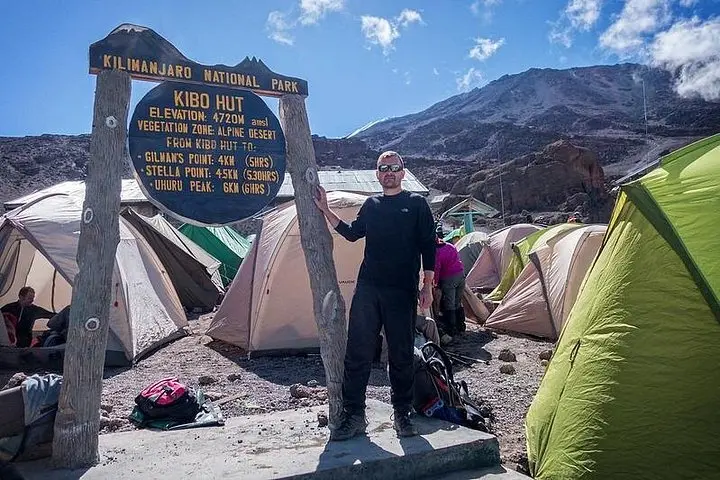
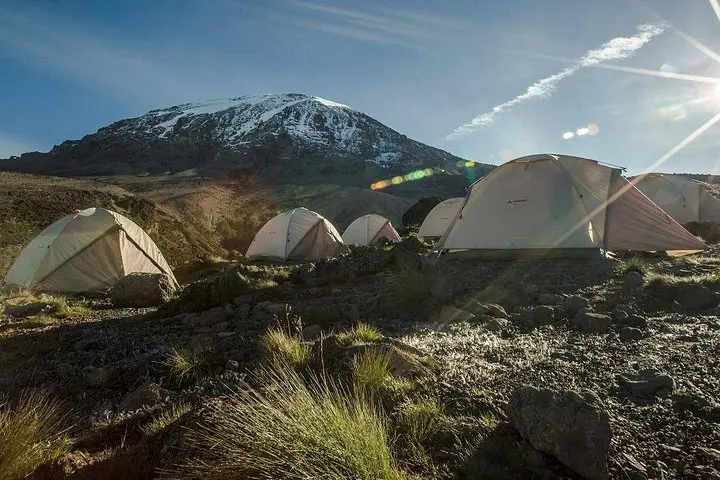
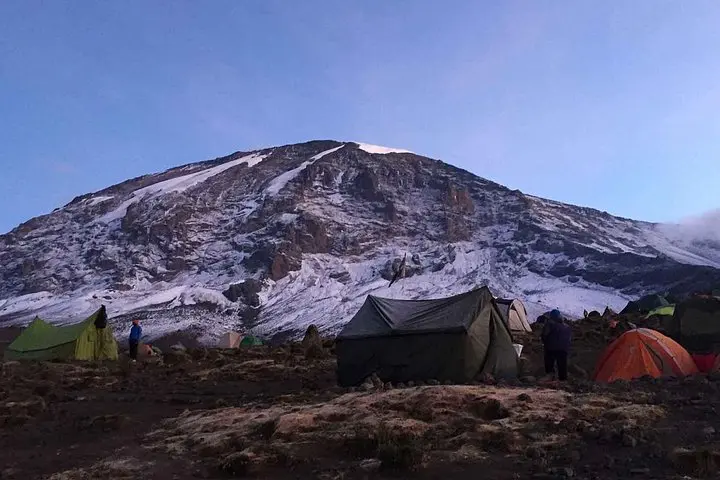
A predawn hush settles over the saddle as headlamps bob like distant fireflies — the final push to Uhuru Peak begins from Kibo Hut. The Marangu Route unwinds from dense rainforest into heath, moorland, alpine desert and finally the arctic zone, each day trading thick green shade for thin, cold air and sweeping volcanic skyline.
Verified experiences and guided adventures in the surrounding area.
Operated by Spirit of Kilimanjaro · Moshi, Kilimanjaro Region
A predawn hush settles over the saddle as headlamps bob like distant fireflies — the final push to Uhuru Peak begins from Kibo Hut. The Marangu Route unwinds from dense rainforest into heath, moorland, alpine desert and finally the arctic zone, each day trading thick green shade for thin, cold air and sweeping volcanic skyline.
The mountain is an old volcano whose last major activity predates human memory; its three cones — Kibo, Mawenzi and Shira — frame the climb and tell a story of glacial carving and ash plains. Culturally, Kilimanjaro sits in the Kilimanjaro Region near Moshi, long a meeting place for Chagga communities who lived on its lower slopes and farmed its rich volcanic soils.
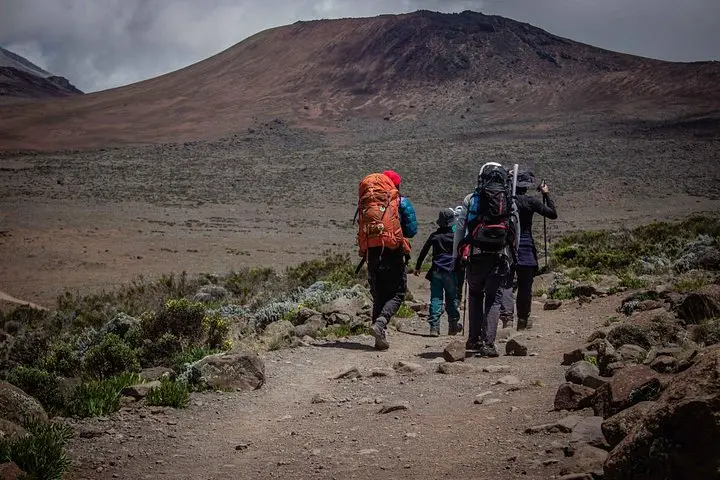
Expect daily marches of 8–12 km rising from roughly 2,700 m to the summit at 5,895 m (19,341 ft). Nights alternate between Mandara, Horombo and Kibo huts or camps, with an acclimatization day and a gruelling summit night that requires steady pacing, warm layers and strict hydration.
Practical guidance: prioritize acclimatization — move slowly uphill and drink often. Bring a sleeping bag rated to -10°C, sturdy waterproof boots, trekking poles and a headlamp for summit hours. Guides and porters handle camp logistics and park fees are included, but tip culturally and reasonably.
The reward is elemental: sunrise over Africa from the roof of the continent, a hard-earned panorama of cloud sea and distant plains. Respect altitude, prepare methodically and the Marangu Route delivers one of the world’s most accessible high-summit experiences.
No technical climbing is required; the route is a non-technical trek, but fitness, altitude awareness and proper pacing are essential.
Altitude sickness is the primary risk — follow acclimatization advice, stay hydrated, and communicate symptoms to guides immediately.
Yes — this itinerary includes park fees, guide and porter support, and standard camping or hut accommodations as listed in the inclusions.
Tipping is customary; typical group recommendations range from $15–$25 per day for guides and $8–$12 per day for porters, adjusted for service and group size.
Spirit of Kilimanjaro operates guided outdoor trips and adventures with an emphasis on safety, stewardship, and memorable experiences.
A predawn hush settles over the saddle as headlamps bob like distant fireflies — the final push to Uhuru Peak begins from Kibo Hut. The Marangu Route unwinds from dense rainforest into heath, moorland, alpine desert and finally the arctic zone, each day trading thick green shade for thin, cold air and sweeping volcanic skyline.
A predawn hush settles over the saddle as headlamps bob like distant fireflies — the final push to Uhuru Peak begins from Kibo Hut. The Marangu Route unwinds from dense rainforest into heath, moorland, alpine desert and finally the arctic zone, each day trading thick green shade for thin, cold air and sweeping volcanic skyline.
The mountain is an old volcano whose last major activity predates human memory; its three cones — Kibo, Mawenzi and Shira — frame the climb and tell a story of glacial carving and ash plains. Culturally, Kilimanjaro sits in the Kilimanjaro Region near Moshi, long a meeting place for Chagga communities who lived on its lower slopes and farmed its rich volcanic soils.
Expect daily marches of 8–12 km rising from roughly 2,700 m to the summit at 5,895 m (19,341 ft). Nights alternate between Mandara, Horombo and Kibo huts or camps, with an acclimatization day and a gruelling summit night that requires steady pacing, warm layers and strict hydration.
Practical guidance: prioritize acclimatization — move slowly uphill and drink often. Bring a sleeping bag rated to -10°C, sturdy waterproof boots, trekking poles and a headlamp for summit hours. Guides and porters handle camp logistics and park fees are included, but tip culturally and reasonably.
The reward is elemental: sunrise over Africa from the roof of the continent, a hard-earned panorama of cloud sea and distant plains. Respect altitude, prepare methodically and the Marangu Route delivers one of the world’s most accessible high-summit experiences.