THE ADVENTURE COLLECTIVE® · Independent discovery and booking for outdoor travel

A practical, six-day ascent of Kilimanjaro via the Marangu Route—the classic hut-to-hut line that tests your lungs more than your technical skills. Read on for route details, acclimatization tips and what to expect from hut life to the summit push.
A practical, six-day ascent of Kilimanjaro via the Marangu Route—the classic hut-to-hut line that tests your lungs more than your technical skills. Read on for route details, acclimatization tips and what to expect from hut life to the summit push.
The headlamp beam cuts a pale corridor through the cold night as climbers step out of Kibo Hut and into a sky pricked with stars. The trail underfoot is mostly loose scree that slides with every step; the mountain doesn’t hurry, it tests. By dawn the crater rim opens its teeth and, if weather and lungs allow, Uhuru Peak rises into view—Africa’s highest point, sudden and stark against the sky.
Verified experiences and guided adventures in the surrounding area.
Operated by Serengeti Safari Booking · Marangu, Kilimanjaro Region
The headlamp beam cuts a pale corridor through the cold night as climbers step out of Kibo Hut and into a sky pricked with stars. The trail underfoot is mostly loose scree that slides with every step; the mountain doesn’t hurry, it tests. By dawn the crater rim opens its teeth and, if weather and lungs allow, Uhuru Peak rises into view—Africa’s highest point, sudden and stark against the sky.
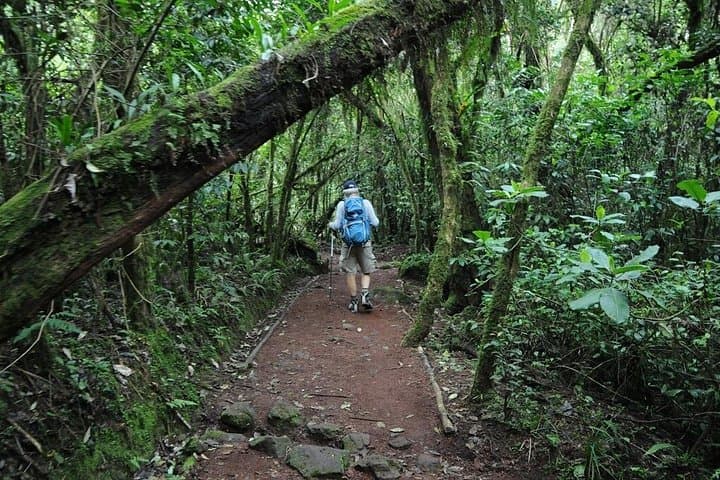
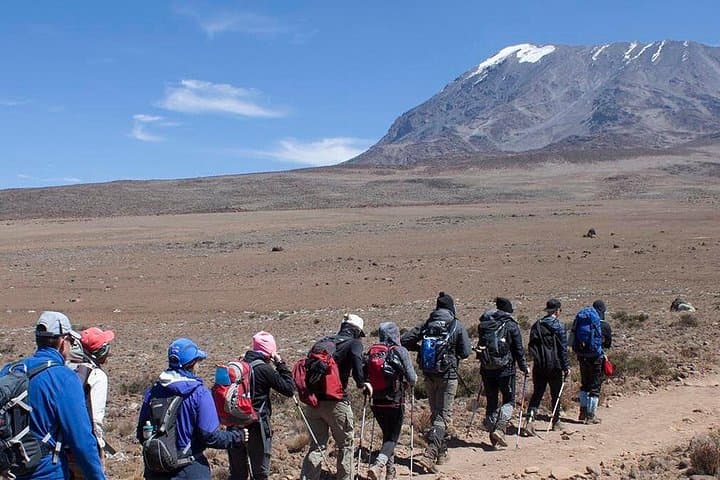
The Marangu Route, long nicknamed the “Coca-Cola” route, is Kilimanjaro’s original tourist path and the only one with dormitory-style huts at Mandara, Horombo and Kibo. It’s historically significant—early European climbers and later colonial guides helped formalize its line—and it threads ecosystems from montane rain forest through heath and moorland to alpine desert and lunar scree.
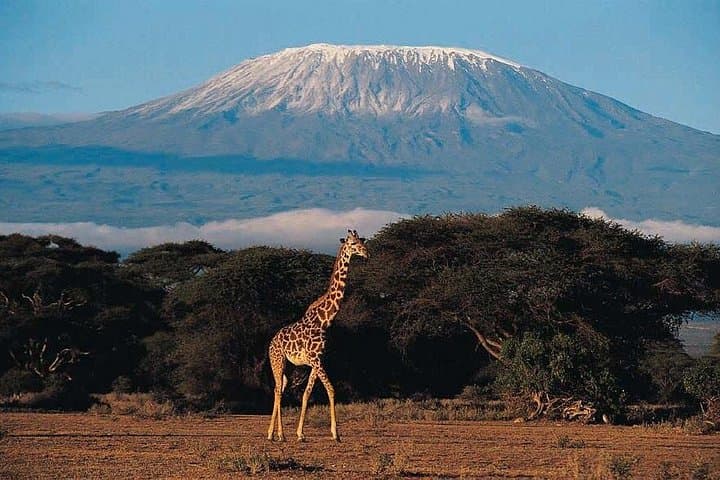
Geologically Kilimanjaro is a dormant volcanic massif with three cones: Shira, Mawenzi and Kibo. The climb follows the saddle between Mawenzi and Kibo; the landscape thins from eucalyptus and giant lobelia to stark volcanic rock. Culturally you will pass through Chagga agricultural terraces below the park and encounter crews of porters and guides who manage camps, cook the meals and ferry equipment—human infrastructure as essential to the route as the huts themselves.
Practically, the Marangu route packs summit ascent into six days: Day 1 Arusha to Mandara Hut (1,860–2,700m, ~8km), Day 2 to Horombo (2,700–3,700m, ~12km), Day 3 acclimatization/rest at Horombo, Day 4 to Kibo (3,700–4,700m, ~9km), Day 5 summit push Kibo–Uhuru (4,700–5,895m) and descent to Horombo, Day 6 return to gate and transfer. Elevation gain and rapid early starts make altitude the main challenge—pace slowly, “pole pole,” as guides advise.
On the ground expect communal dining halls, basic washrooms that change with altitude, and a convivial hut environment where climbers trade stories and tips. Weather can swing from warm and wet in the rainforest to freezing on the summit; prepare for everything.
Tips for planning: reserve permits and a licensed operator that treats porters ethically; allow time in Arusha or Moshi to acclimatize; bring a proper sleeping bag (rated to -10°C or lower), sturdy boots, gaiters and a warm down jacket for summit night. Hydration, slow pacing and attention to symptoms of acute mountain sickness matter more than technical skill—no ropes or crampons are required on the standard Marangu line except occasional snow on the upper slopes.
The payoff is simple and immediate: standing at Uhuru Peak, wind cutting at the face, the view across Tanzania and Kenya opening like a map. It’s not an easy walk, but with the right preparation the Marangu Route gives one of Africa’s great alpine experiences with the practical comfort of huts along the way.
It’s considered the easiest in terms of gradient and the presence of huts, but the summit remains a strenuous high-altitude climb—acclimatization and pace matter more than technical ability.
Huts have bunk beds, mattresses and communal dining; comfort is basic and varies with elevation—Kibo has long-drop toilets and minimal water access.
No ropes or crampons are required on the standard Marangu route, although microspikes or crampons may be useful if there’s significant snow near the summit.
Altitude sickness is common if you ascend too quickly; the six-day itinerary includes a rest/acclimatization day but monitor symptoms and communicate with guides.
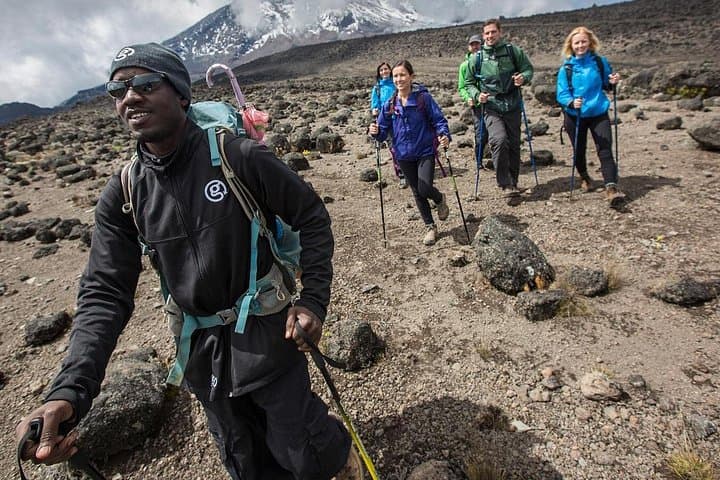
Licensed guides lead the ascent, cook and manage camp logistics; porters carry heavy loads—confirm porter welfare and tipping policies before booking.
Clearer conditions are generally during the drier months (June–October and late December–February), though summit conditions can change rapidly year-round.
Serengeti Safari Booking operates guided outdoor trips and adventures with an emphasis on safety, stewardship, and memorable experiences.
The headlamp beam cuts a pale corridor through the cold night as climbers step out of Kibo Hut and into a sky pricked with stars. The trail underfoot is mostly loose scree that slides with every step; the mountain doesn’t hurry, it tests. By dawn the crater rim opens its teeth and, if weather and lungs allow, Uhuru Peak rises into view—Africa’s highest point, sudden and stark against the sky.
The headlamp beam cuts a pale corridor through the cold night as climbers step out of Kibo Hut and into a sky pricked with stars. The trail underfoot is mostly loose scree that slides with every step; the mountain doesn’t hurry, it tests. By dawn the crater rim opens its teeth and, if weather and lungs allow, Uhuru Peak rises into view—Africa’s highest point, sudden and stark against the sky.
The Marangu Route, long nicknamed the “Coca-Cola” route, is Kilimanjaro’s original tourist path and the only one with dormitory-style huts at Mandara, Horombo and Kibo. It’s historically significant—early European climbers and later colonial guides helped formalize its line—and it threads ecosystems from montane rain forest through heath and moorland to alpine desert and lunar scree.
Geologically Kilimanjaro is a dormant volcanic massif with three cones: Shira, Mawenzi and Kibo. The climb follows the saddle between Mawenzi and Kibo; the landscape thins from eucalyptus and giant lobelia to stark volcanic rock. Culturally you will pass through Chagga agricultural terraces below the park and encounter crews of porters and guides who manage camps, cook the meals and ferry equipment—human infrastructure as essential to the route as the huts themselves.
Practically, the Marangu route packs summit ascent into six days: Day 1 Arusha to Mandara Hut (1,860–2,700m, ~8km), Day 2 to Horombo (2,700–3,700m, ~12km), Day 3 acclimatization/rest at Horombo, Day 4 to Kibo (3,700–4,700m, ~9km), Day 5 summit push Kibo–Uhuru (4,700–5,895m) and descent to Horombo, Day 6 return to gate and transfer. Elevation gain and rapid early starts make altitude the main challenge—pace slowly, “pole pole,” as guides advise.
On the ground expect communal dining halls, basic washrooms that change with altitude, and a convivial hut environment where climbers trade stories and tips. Weather can swing from warm and wet in the rainforest to freezing on the summit; prepare for everything.
Tips for planning: reserve permits and a licensed operator that treats porters ethically; allow time in Arusha or Moshi to acclimatize; bring a proper sleeping bag (rated to -10°C or lower), sturdy boots, gaiters and a warm down jacket for summit night. Hydration, slow pacing and attention to symptoms of acute mountain sickness matter more than technical skill—no ropes or crampons are required on the standard Marangu line except occasional snow on the upper slopes.
The payoff is simple and immediate: standing at Uhuru Peak, wind cutting at the face, the view across Tanzania and Kenya opening like a map. It’s not an easy walk, but with the right preparation the Marangu Route gives one of Africa’s great alpine experiences with the practical comfort of huts along the way.