THE ADVENTURE COLLECTIVE® · Independent discovery and booking for outdoor travel

A classic hut-to-hut Kilimanjaro ascent along the Marangu Route: six days of rainforest, moorland and alpine desert leading to Uhuru Peak. Expect steady altitude gain, basic mountain huts, and a tough pre-dawn summit push.
A classic hut-to-hut Kilimanjaro ascent along the Marangu Route: six days of rainforest, moorland and alpine desert leading to Uhuru Peak. Expect steady altitude gain, basic mountain huts, and a tough pre-dawn summit push.
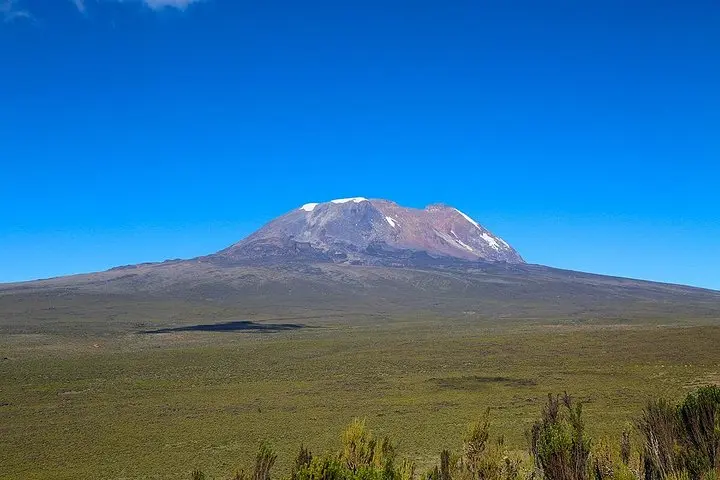
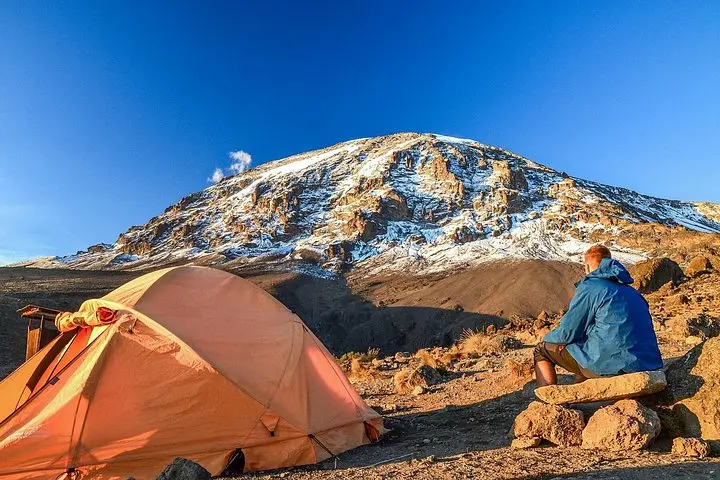
Dawn on the lower slopes is damp and green: you push through a rainforest that drips on your jacket, the trail soft and narrow as it climbs from Marangu Gate (1,800 m) toward the first hut. Over six days the route trades thick forest for bristling moorland, then an exposed alpine desert and a final, grueling night ascent to Uhuru Peak (5,895 m). The mountain tests patience as much as legs; nights in simple huts and steady altitude gain reward cautious pacing.
Verified experiences and guided adventures in the surrounding area.
Operated by MERU SLOPES TOURS AND SAFARIS · Moshi, Kilimanjaro Region
Dawn on the lower slopes is damp and green: you push through a rainforest that drips on your jacket, the trail soft and narrow as it climbs from Marangu Gate (1,800 m) toward the first hut. Over six days the route trades thick forest for bristling moorland, then an exposed alpine desert and a final, grueling night ascent to Uhuru Peak (5,895 m). The mountain tests patience as much as legs; nights in simple huts and steady altitude gain reward cautious pacing.
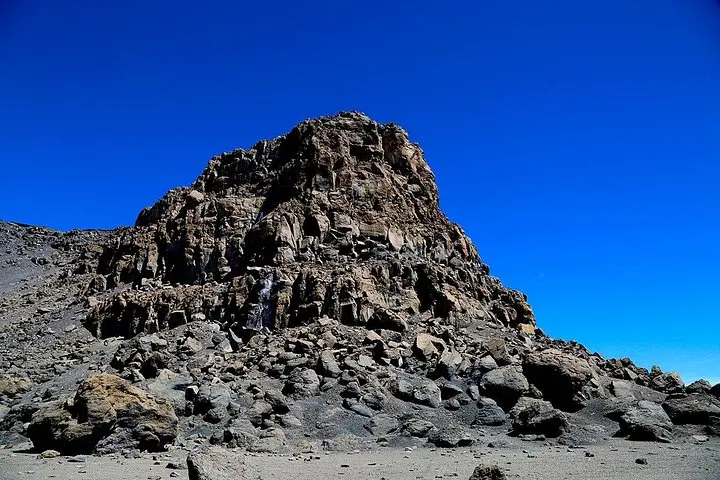
Kilimanjaro is a dormant stratovolcano built of layered lava flows and ash; the Marangu route follows old animal paths and the first tracks cut by early European climbers around the turn of the 20th century. You’ll see forest species give way to giant groundsels in the moorland and volcanic scree on the crater rim—terrain born of fire and slow erosion. Local Chagga culture surrounds the mountain: villages irrigated by streams running from its slopes, and porters and guides who maintain the hut system and mountain tradition.
Practical guidance: plan for ~4,100 m total elevation gain over six days, with longest summit push starting around 23:30 from Kibo Hut. Trails range from muddy rainforest steps and rocky moorland to steep stone and scree near Gillman’s and Uhuru. Hydrate proactively, sleep early on summit night, and layer for sudden wind and cold above 4,000 m. Expect basic hut accommodations, fixed departures from Moshi or Arusha, and mandatory park permits and professional guides. The route is accessible to fit hikers who respect altitude; move deliberately and let the mountain set the pace.
No technical climbing skills are required; it’s a non-technical trek, but high-altitude experience and good fitness significantly increase your chance of summiting.
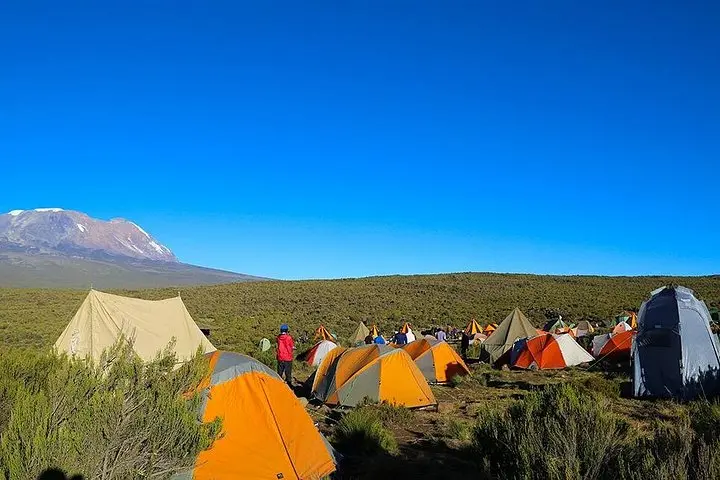
Accommodation is in shared mountain huts—basic bunk rooms with mattresses; bring a sleeping liner and expect communal dining areas.
The driest, most stable months are January–March and June–October; short rains typically fall in April–May and a shorter wet spell in November.
Altitude sickness is a real risk—this 6-day Marangu itinerary includes an acclimatization day but still gains ~4,100 m, so follow slow pacing, hydrate, and report symptoms to guides immediately.
MERU SLOPES TOURS AND SAFARIS operates guided outdoor trips and adventures with an emphasis on safety, stewardship, and memorable experiences.
Dawn on the lower slopes is damp and green: you push through a rainforest that drips on your jacket, the trail soft and narrow as it climbs from Marangu Gate (1,800 m) toward the first hut. Over six days the route trades thick forest for bristling moorland, then an exposed alpine desert and a final, grueling night ascent to Uhuru Peak (5,895 m). The mountain tests patience as much as legs; nights in simple huts and steady altitude gain reward cautious pacing.
Dawn on the lower slopes is damp and green: you push through a rainforest that drips on your jacket, the trail soft and narrow as it climbs from Marangu Gate (1,800 m) toward the first hut. Over six days the route trades thick forest for bristling moorland, then an exposed alpine desert and a final, grueling night ascent to Uhuru Peak (5,895 m). The mountain tests patience as much as legs; nights in simple huts and steady altitude gain reward cautious pacing.
Kilimanjaro is a dormant stratovolcano built of layered lava flows and ash; the Marangu route follows old animal paths and the first tracks cut by early European climbers around the turn of the 20th century. You’ll see forest species give way to giant groundsels in the moorland and volcanic scree on the crater rim—terrain born of fire and slow erosion. Local Chagga culture surrounds the mountain: villages irrigated by streams running from its slopes, and porters and guides who maintain the hut system and mountain tradition.
Practical guidance: plan for ~4,100 m total elevation gain over six days, with longest summit push starting around 23:30 from Kibo Hut. Trails range from muddy rainforest steps and rocky moorland to steep stone and scree near Gillman’s and Uhuru. Hydrate proactively, sleep early on summit night, and layer for sudden wind and cold above 4,000 m. Expect basic hut accommodations, fixed departures from Moshi or Arusha, and mandatory park permits and professional guides. The route is accessible to fit hikers who respect altitude; move deliberately and let the mountain set the pace.