
6-Day Marangu Route Trek to Mt Kilimanjaro: Hut-to-Hut Summit via Uhuru Peak
A six-day hut-to-hut ascent of Kilimanjaro via the Marangu Route, offering staged acclimatization and a midnight summit push to Uhuru Peak. Expect varied terrain—from rainforest to alpine desert—basic hut accommodations, and full porter and kitchen support.
An Adventure In Moshi.
A six-day hut-to-hut ascent of Kilimanjaro via the Marangu Route, offering staged acclimatization and a midnight summit push to Uhuru Peak. Expect varied terrain—from rainforest to alpine desert—basic hut accommodations, and full porter and kitchen support.
Read the full experience
Dawn pulls a cool blue across the rainforest as your group slips through moss-draped trunks on the first day.
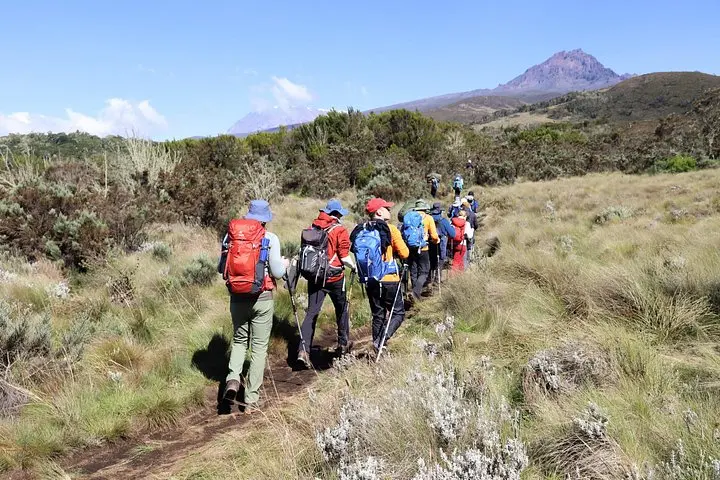
You climb from Marangu Gate (1,200m) into a shifting world—montane forest giving way to moorland, then a stark alpine desert below Kibo’s rim—each habitat announcing itself with different light and wind.
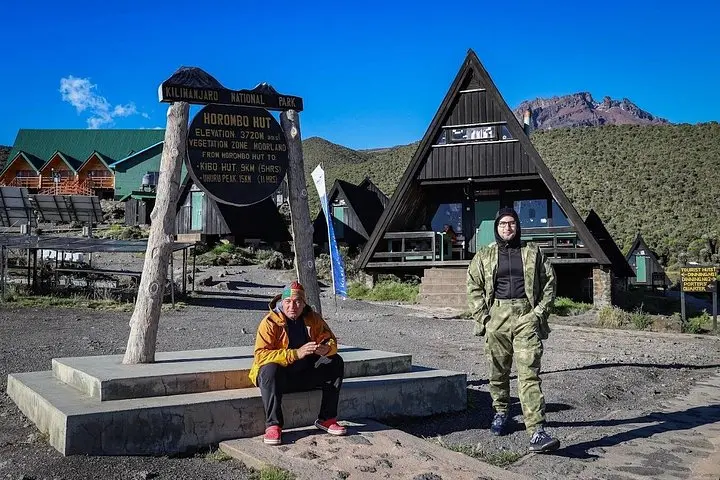
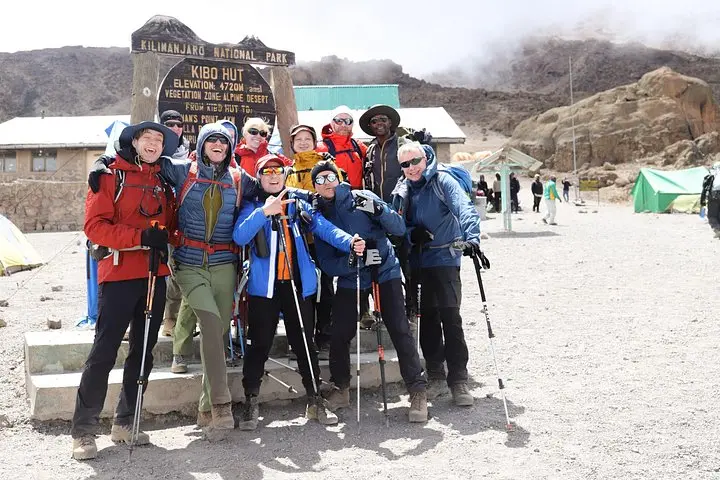
Mount Kilimanjaro is a dormant stratovolcano crowned by glaciers and the Uhuru Peak summit at 5,895m. The Marangu Route is the classic hut-to-hut line: Mandara, Horombo, Kibo, and the final push across scree and occasional snow to Gilman’s Point and Uhuru.
The slopes carry human history too — Maasai and Chagga communities live on Kilimanjaro’s flanks and early European ascents date to the late 19th century. Geologically, Kibo’s crater is a remnant of volcanic activity that shaped East Africa’s Rift escarpments, its glaciers a shrinking record of a changing climate.
Practically, this six-day itinerary balances acclimatization and distance: expect daily hiking of 4–12 km with elevation gains up to 1,200 m on summit day and a midnight start for the final push. Nights are spent in basic mountain huts with cooked meals and porter support; there’s no running water above Horombo.
Plan for cold nights and strong sun, move slowly on summit day (pole pole), and rely on your guide’s pace and oxygen/first-aid resources if needed. Proper layering, a sturdy boot, and attention to hydration and rhythm are what get most climbers to Uhuru and back down again.
Frequently asked questions
No technical climbing skills are required, but prior multi-day trekking experience and familiarity with long days and altitude help significantly.
Temperatures can fall below -10°C near Uhuru Peak, with wind chill making it feel colder—adequate insulated layers are essential.
Huts are basic wooden dormitories with shared bunks and cooked meals; running water is limited above Horombo and there are communal toilets.
The primary risks are altitude sickness, exposure on the summit push, and slips on scree or wet trails—follow your guide, hydrate, and monitor symptoms.
About This Experience
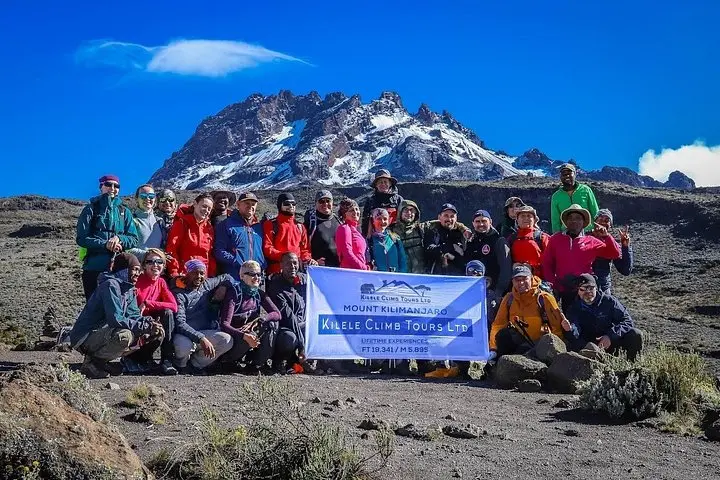
Kilele Climb Tours Co Ltd operates guided outdoor trips and adventures with an emphasis on safety, stewardship, and memorable experiences.
Adventure tips
Recommended gear
- Sturdy backpacking boots: Support and traction for rainforest mud, scree slopes, and icy summit sections.
- Warm insulated jacket (down or synthetic): Needed for cold nights and the summit ascent where temperatures drop well below freezing.
- Lightweight sleeping bag (rated to -10°C): Huts are basic; a warm bag ensures rest and recovery at altitude.
- Trekking poles: Stabilize knees on long descents and aid slow, efficient rhythm on steep scree.
Photos of the experience
Related adventures & guides
Read the full experience
Dawn pulls a cool blue across the rainforest as your group slips through moss-draped trunks on the first day.
You climb from Marangu Gate (1,200m) into a shifting world—montane forest giving way to moorland, then a stark alpine desert below Kibo’s rim—each habitat announcing itself with different light and wind.
Dawn pulls a cool blue across the rainforest as your group slips through moss-draped trunks on the first day.
You climb from Marangu Gate (1,200m) into a shifting world—montane forest giving way to moorland, then a stark alpine desert below Kibo’s rim—each habitat announcing itself with different light and wind.
Mount Kilimanjaro is a dormant stratovolcano crowned by glaciers and the Uhuru Peak summit at 5,895m. The Marangu Route is the classic hut-to-hut line: Mandara, Horombo, Kibo, and the final push across scree and occasional snow to Gilman’s Point and Uhuru.
The slopes carry human history too — Maasai and Chagga communities live on Kilimanjaro’s flanks and early European ascents date to the late 19th century. Geologically, Kibo’s crater is a remnant of volcanic activity that shaped East Africa’s Rift escarpments, its glaciers a shrinking record of a changing climate.
Practically, this six-day itinerary balances acclimatization and distance: expect daily hiking of 4–12 km with elevation gains up to 1,200 m on summit day and a midnight start for the final push. Nights are spent in basic mountain huts with cooked meals and porter support; there’s no running water above Horombo.
Plan for cold nights and strong sun, move slowly on summit day (pole pole), and rely on your guide’s pace and oxygen/first-aid resources if needed. Proper layering, a sturdy boot, and attention to hydration and rhythm are what get most climbers to Uhuru and back down again.
Make a day of it nearby.
Verified experiences and guided adventures in the surrounding area.