THE ADVENTURE COLLECTIVE® · Independent discovery and booking for outdoor travel

A six-day loop from Marrakech through Essaouira’s windswept coast to the Berber villages of the High Atlas. This tour blends guided city heritage with short hikes, local meals, and hands-on cultural experiences.
A six-day loop from Marrakech through Essaouira’s windswept coast to the Berber villages of the High Atlas. This tour blends guided city heritage with short hikes, local meals, and hands-on cultural experiences.
You step from a riad doorway into the pulse of Jemaa el-Fna — spice vendors call, orange juice stalls steam, and the city’s ochre walls lean into the afternoon light. Over six days this itinerary threads Marrakech’s historic monuments with a coastal escape to Essaouira and a day in the High Atlas, giving both narrow medina alleys and mountain air equal time.
Verified experiences and guided adventures in the surrounding area.
Operated by JD Morocco Tours, Sarl · Marrakech, Marrakech-Safi
You step from a riad doorway into the pulse of Jemaa el-Fna — spice vendors call, orange juice stalls steam, and the city’s ochre walls lean into the afternoon light. Over six days this itinerary threads Marrakech’s historic monuments with a coastal escape to Essaouira and a day in the High Atlas, giving both narrow medina alleys and mountain air equal time.
Marrakech’s history is visible in stone: the Saadian Tombs, the 12th-century Koutoubia minaret, and the 19th-century Palace of Bahia all show layers of Moroccan court life and artisan craft. Geologically the trip shifts from red clay plains around Marrakech to the folded schists and volcanic ridges of the Toubkal massif (Mont Toubkal tops out at 4,167 m). Essaouira opens a different rhythm — wind, Atlantic surf, wooden thuya carving workshops and a 18th-century Skala fortress that watches the harbor.
Culturally the route mixes market bargaining, Berber village hospitality in Ourika Valley and Setti Fatma, and local seafood markets in Essaouira. Expect short guided walks (Setti Fatma’s waterfalls involve uneven stone steps and uphill stretches), a chance to meet a Berber family, and optional activities like a cooking class or quad ride.
Practical guidance: travel light with layered clothing for warm days and cool mountain evenings, bring cash for souks and tips, and allow 1–3 hours for road transfers (Marrakech–Essaouira ~2.5–3 hours; Marrakech–Ourika ~45–60 minutes). Hydrate, wear supportive shoes for cobbles and rough trails, and plan mornings for the busiest sites to avoid heat and crowds.
Yes — the itinerary is described as physically easy and families can travel with infants (infants should sit on laps when required); check specific activity suitability like hikes or quad rides.
Expect approximately 2.5–3 hours each way to Essaouira by road and about 45–60 minutes to Ourika Valley depending on traffic.
Breakfast is included on most days; lunches and dinners are typically at local restaurants or at your riad unless otherwise specified.
The waterfall walk is a moderate, uneven trail with stone steps and short uphill sections; good footwear and steady pace suffice for most travelers.
JD Morocco Tours, Sarl operates guided outdoor trips and adventures with an emphasis on safety, stewardship, and memorable experiences.
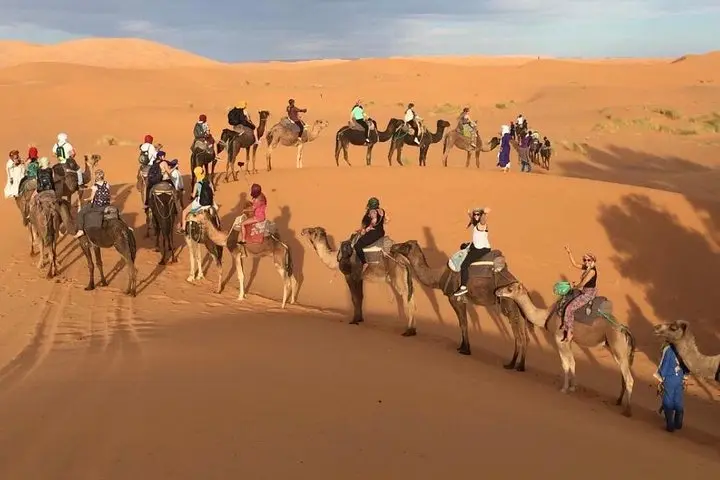
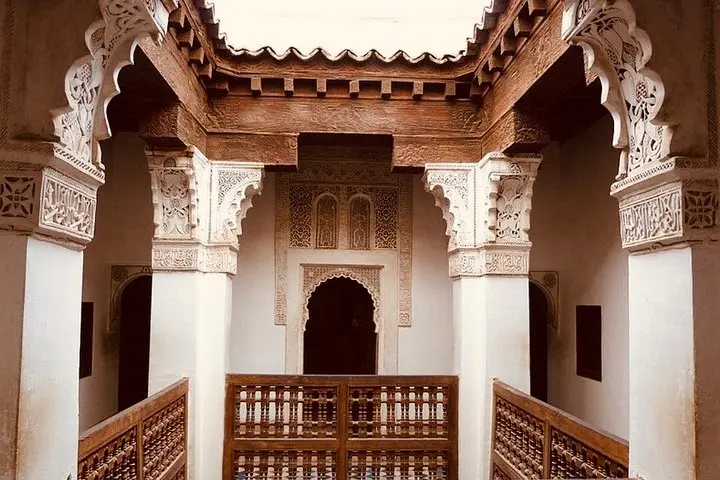
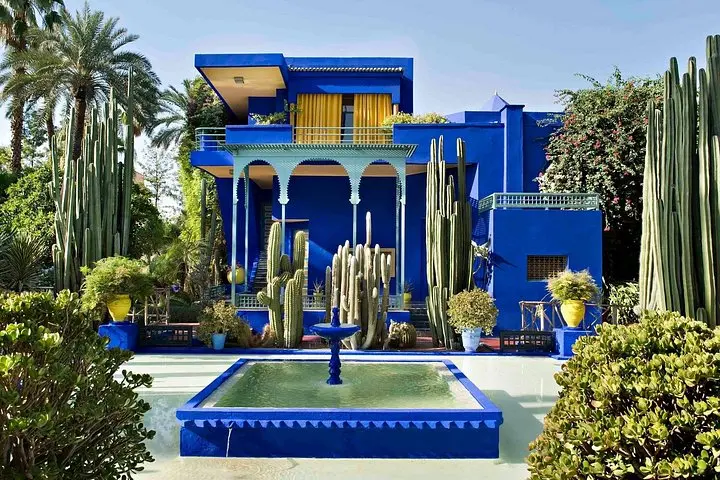
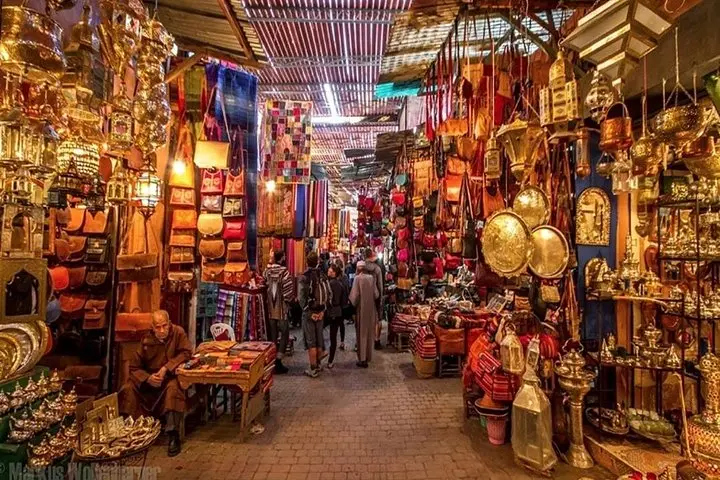
You step from a riad doorway into the pulse of Jemaa el-Fna — spice vendors call, orange juice stalls steam, and the city’s ochre walls lean into the afternoon light. Over six days this itinerary threads Marrakech’s historic monuments with a coastal escape to Essaouira and a day in the High Atlas, giving both narrow medina alleys and mountain air equal time.
You step from a riad doorway into the pulse of Jemaa el-Fna — spice vendors call, orange juice stalls steam, and the city’s ochre walls lean into the afternoon light. Over six days this itinerary threads Marrakech’s historic monuments with a coastal escape to Essaouira and a day in the High Atlas, giving both narrow medina alleys and mountain air equal time.
Marrakech’s history is visible in stone: the Saadian Tombs, the 12th-century Koutoubia minaret, and the 19th-century Palace of Bahia all show layers of Moroccan court life and artisan craft. Geologically the trip shifts from red clay plains around Marrakech to the folded schists and volcanic ridges of the Toubkal massif (Mont Toubkal tops out at 4,167 m). Essaouira opens a different rhythm — wind, Atlantic surf, wooden thuya carving workshops and a 18th-century Skala fortress that watches the harbor.
Culturally the route mixes market bargaining, Berber village hospitality in Ourika Valley and Setti Fatma, and local seafood markets in Essaouira. Expect short guided walks (Setti Fatma’s waterfalls involve uneven stone steps and uphill stretches), a chance to meet a Berber family, and optional activities like a cooking class or quad ride.
Practical guidance: travel light with layered clothing for warm days and cool mountain evenings, bring cash for souks and tips, and allow 1–3 hours for road transfers (Marrakech–Essaouira ~2.5–3 hours; Marrakech–Ourika ~45–60 minutes). Hydrate, wear supportive shoes for cobbles and rough trails, and plan mornings for the busiest sites to avoid heat and crowds.