THE ADVENTURE COLLECTIVE® · Independent discovery and booking for outdoor travel

A six‑day circuit from Casablanca that links Morocco’s imperial cities, Atlas passes and the sand seas of Erg Chebbi. Expect long driving legs balanced by guided medina walks, a camel ride into the desert and nights under the stars.
A six‑day circuit from Casablanca that links Morocco’s imperial cities, Atlas passes and the sand seas of Erg Chebbi. Expect long driving legs balanced by guided medina walks, a camel ride into the desert and nights under the stars.
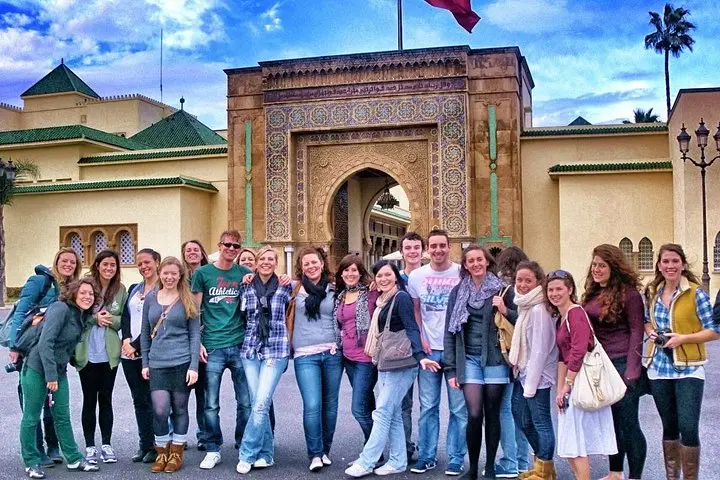
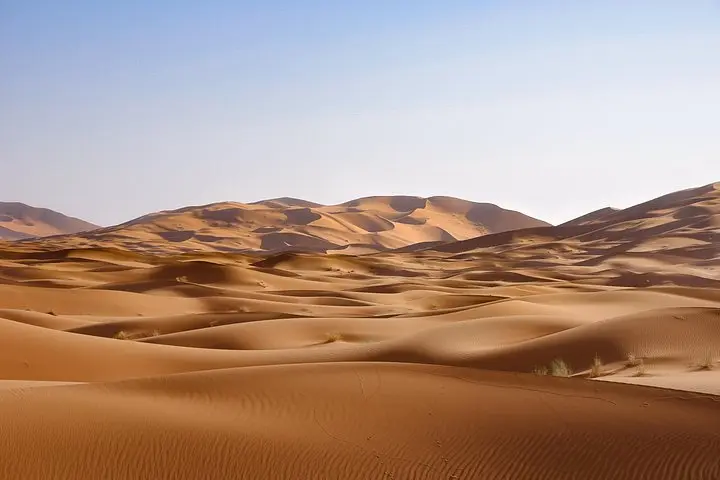
You step into the day in Casablanca with the Atlantic breeze at your back and a dust-scented roadmap ahead — Rabat’s monuments, Fes’s labyrinthine medina, the cedar slopes of the Middle Atlas, and finally the rolling orange waves of Erg Chebbi.
Verified experiences and guided adventures in the surrounding area.
Operated by MOHA VACATIONS · Casablanca, Casablanca-Settat
You step into the day in Casablanca with the Atlantic breeze at your back and a dust-scented roadmap ahead — Rabat’s monuments, Fes’s labyrinthine medina, the cedar slopes of the Middle Atlas, and finally the rolling orange waves of Erg Chebbi.
This route traces Morocco’s layered past: Roman roads and imperial capitals, the earthen kasbahs of Ait Benhaddou that once guarded trans-Saharan caravans, and Al Quaraouiyine in Fes, one of the world’s oldest universities. Geology writes itself across the trip — rivers have cut the Toudgha and Dades gorges into Jurassic limestone while Saharan winds pile sand into dunes that shift by the hour.
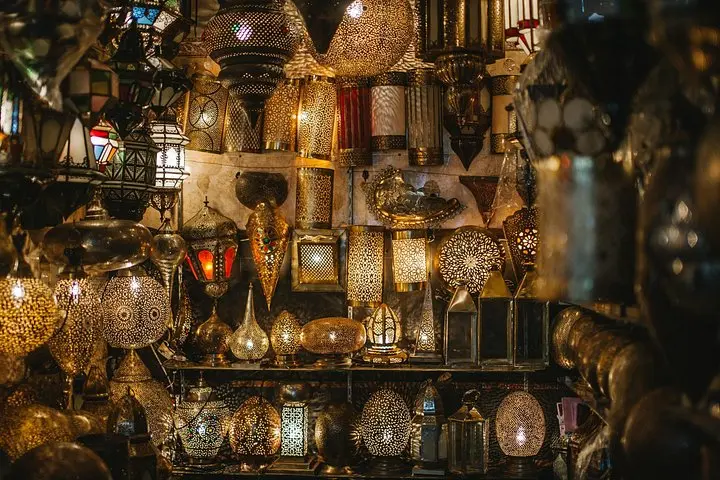
Culture is immediate and tactile: souks where leather and metalwork trade under awnings, Berber camps where shared tagines punctuate conversation, and nightly camps beneath a desert sky that feels improbably full.
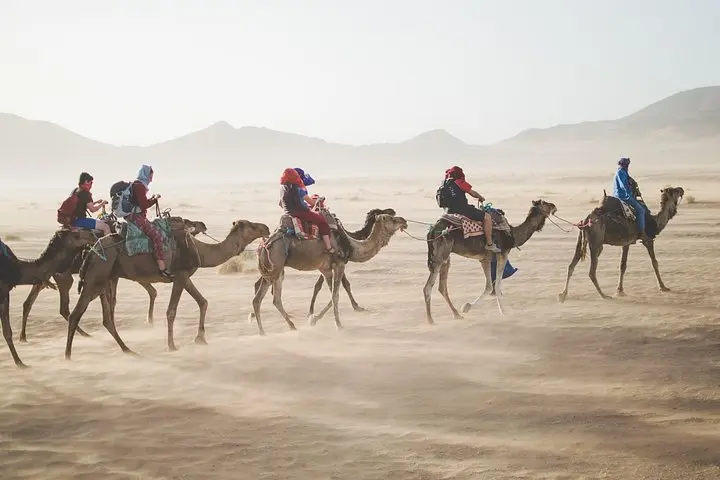
Practical notes: expect long driving days interspersed with short hikes, viewpoints and a camel transfer into the desert camp. Pack sun protection, layers for chilly desert nights, and a small daypack for walking through medinas and gorges. Hydrate during drives and when crossing the Atlas passes — altitude and sun conspire to dry you out. Camel rides are steady but bring a soft seat pad if you’re sensitive; follow guides for dune travel and campsite etiquette. Timings favor early mornings for gorges and late afternoons on dunes for light and cooler temperatures.
By the end you’ll have moved from ocean air to mountain pines to desert vastness — a compact cross-section of Morocco’s landscapes and living traditions.
Price includes A/C vehicle transport, accommodation from Day 1 to Day 6, a local tour guide and a camel ride into the Merzouga camp; check itinerary for meal details.
The trip is moderate: most travel is by vehicle with short guided walks, a camel ride and easy hikes in gorges; average fitness is sufficient.
Not recommended for pregnant travelers per provider guidance; families with children should consider camel rides and long drives before booking.
Tipping is common: consider modest daily tips for guides and drivers (adjust based on service and group size) and a separate tip for camp staff after the desert night.
MOHA VACATIONS operates guided outdoor trips and adventures with an emphasis on safety, stewardship, and memorable experiences.
You step into the day in Casablanca with the Atlantic breeze at your back and a dust-scented roadmap ahead — Rabat’s monuments, Fes’s labyrinthine medina, the cedar slopes of the Middle Atlas, and finally the rolling orange waves of Erg Chebbi.
You step into the day in Casablanca with the Atlantic breeze at your back and a dust-scented roadmap ahead — Rabat’s monuments, Fes’s labyrinthine medina, the cedar slopes of the Middle Atlas, and finally the rolling orange waves of Erg Chebbi.
This route traces Morocco’s layered past: Roman roads and imperial capitals, the earthen kasbahs of Ait Benhaddou that once guarded trans-Saharan caravans, and Al Quaraouiyine in Fes, one of the world’s oldest universities. Geology writes itself across the trip — rivers have cut the Toudgha and Dades gorges into Jurassic limestone while Saharan winds pile sand into dunes that shift by the hour.
Culture is immediate and tactile: souks where leather and metalwork trade under awnings, Berber camps where shared tagines punctuate conversation, and nightly camps beneath a desert sky that feels improbably full.
Practical notes: expect long driving days interspersed with short hikes, viewpoints and a camel transfer into the desert camp. Pack sun protection, layers for chilly desert nights, and a small daypack for walking through medinas and gorges. Hydrate during drives and when crossing the Atlas passes — altitude and sun conspire to dry you out. Camel rides are steady but bring a soft seat pad if you’re sensitive; follow guides for dune travel and campsite etiquette. Timings favor early mornings for gorges and late afternoons on dunes for light and cooler temperatures.
By the end you’ll have moved from ocean air to mountain pines to desert vastness — a compact cross-section of Morocco’s landscapes and living traditions.