THE ADVENTURE COLLECTIVE® · Independent discovery and booking for outdoor travel

A six-day Rongai-route ascent offers a quieter northern approach to Kilimanjaro, moving from rainforest into alpine desert before a midnight summit push to Uhuru Peak. Expect varied terrain, guide-led acclimatization, and strong support from porters and crew.
A six-day Rongai-route ascent offers a quieter northern approach to Kilimanjaro, moving from rainforest into alpine desert before a midnight summit push to Uhuru Peak. Expect varied terrain, guide-led acclimatization, and strong support from porters and crew.
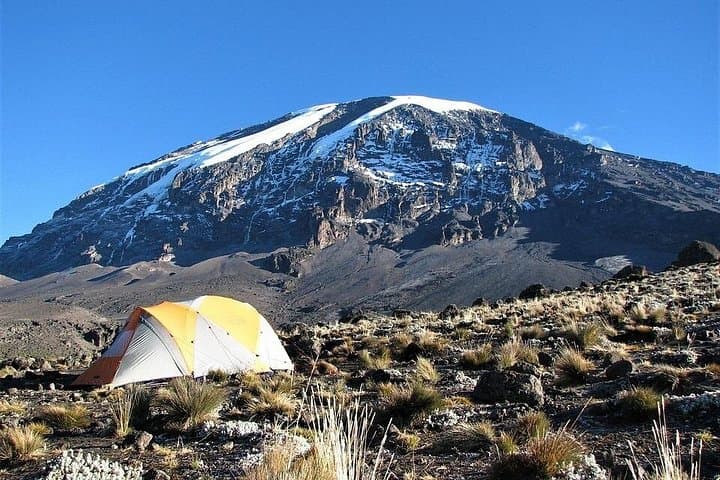
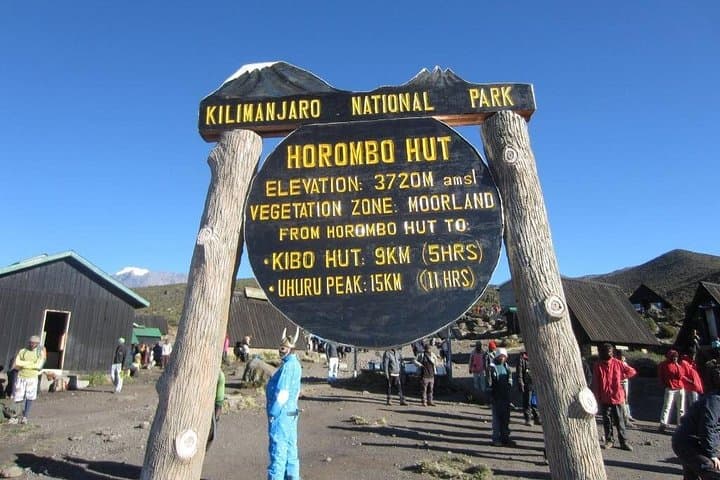
You stand at the edge of a forest road outside Moshi as dawn softens the coffee plantations; the air smells of earth and hot tea. A 4–5 hour drive takes the group north to Nale Muru Gate and the Rongai trailhead, where the landscape shifts from wet rainforest to open moorland and, higher up, wind-scoured alpine desert. Over six days you climb from roughly 1,997m at the gate to Uhuru Peak at 5,895m, crossing vegetation zones, volcanic scree and the Rebmann and Ratzel glaciers.
Verified experiences and guided adventures in the surrounding area.
Operated by Kilimanjaro Umoja Tours · Moshi, Kilimanjaro Region
You stand at the edge of a forest road outside Moshi as dawn softens the coffee plantations; the air smells of earth and hot tea. A 4–5 hour drive takes the group north to Nale Muru Gate and the Rongai trailhead, where the landscape shifts from wet rainforest to open moorland and, higher up, wind-scoured alpine desert. Over six days you climb from roughly 1,997m at the gate to Uhuru Peak at 5,895m, crossing vegetation zones, volcanic scree and the Rebmann and Ratzel glaciers.
Geology here is raw: Kilimanjaro is a dormant stratovolcano whose layered lava flows and ash beds build the crater you approach on the final push. The Rongai approach is less trafficked than southern routes, offering clearer views of Kibo’s ice fields and the plains of Kenya to the north. Local Chagga culture in Moshi supports trekking economies—guides, cooks and porters bring hospitality and expertise; tipping is customary.
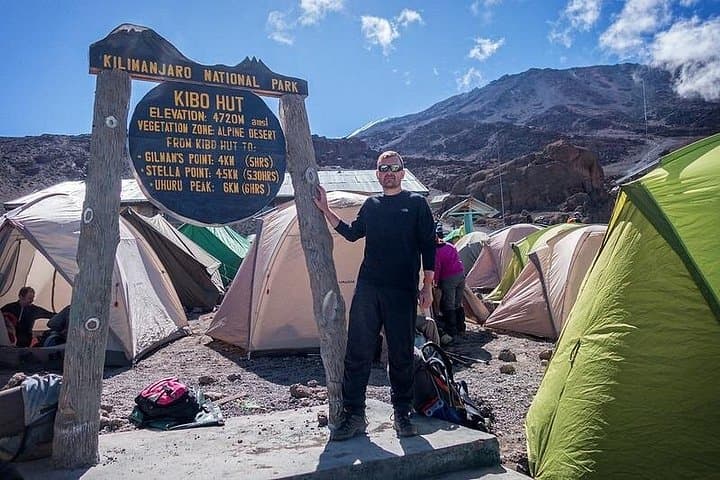
Practical guidance: plan for steady, incremental altitude gain (daily profiles include 7km/5mi and stages up to 1,238m gain to Kibo Huts), a midnight summit start, and long descents. Essential gear includes waterproof outer layers, warm insulated jacket, gaiters, sturdy boots and a headlamp; bring plenty of water and calorie-dense snacks. Expect cold nights above 3,500m and loose volcanic scree on the ascent—trekking poles and gaiters reduce fatigue. The operator provides portable toilets, a private porter and oxygen cylinders if needed. Prioritize acclimatization, communicate symptoms to your guide, and allow for flexible pacing—success on Kilimanjaro is as much about patience as power.
This itinerary is six days from Moshi, including approach, acclimatization stages, a midnight summit push and descent back to Marangu Gate.
No technical rock or ice climbing is required for the Rongai route—however, good fitness and comfort on steep scree and rocky terrain are necessary.
Treks start near 1,997m and culminate at Uhuru Peak, 5,895m; daily gains vary, with the largest ascent to Kibo Huts and then the summit.
The trip includes guides, cooks, porters, meals, permits, portable private toilets, pre- and post-accommodation and a complimentary oxygen cylinder if needed.
Kilimanjaro Umoja Tours operates guided outdoor trips and adventures with an emphasis on safety, stewardship, and memorable experiences.

You stand at the edge of a forest road outside Moshi as dawn softens the coffee plantations; the air smells of earth and hot tea. A 4–5 hour drive takes the group north to Nale Muru Gate and the Rongai trailhead, where the landscape shifts from wet rainforest to open moorland and, higher up, wind-scoured alpine desert. Over six days you climb from roughly 1,997m at the gate to Uhuru Peak at 5,895m, crossing vegetation zones, volcanic scree and the Rebmann and Ratzel glaciers.
You stand at the edge of a forest road outside Moshi as dawn softens the coffee plantations; the air smells of earth and hot tea. A 4–5 hour drive takes the group north to Nale Muru Gate and the Rongai trailhead, where the landscape shifts from wet rainforest to open moorland and, higher up, wind-scoured alpine desert. Over six days you climb from roughly 1,997m at the gate to Uhuru Peak at 5,895m, crossing vegetation zones, volcanic scree and the Rebmann and Ratzel glaciers.
Geology here is raw: Kilimanjaro is a dormant stratovolcano whose layered lava flows and ash beds build the crater you approach on the final push. The Rongai approach is less trafficked than southern routes, offering clearer views of Kibo’s ice fields and the plains of Kenya to the north. Local Chagga culture in Moshi supports trekking economies—guides, cooks and porters bring hospitality and expertise; tipping is customary.
Practical guidance: plan for steady, incremental altitude gain (daily profiles include 7km/5mi and stages up to 1,238m gain to Kibo Huts), a midnight summit start, and long descents. Essential gear includes waterproof outer layers, warm insulated jacket, gaiters, sturdy boots and a headlamp; bring plenty of water and calorie-dense snacks. Expect cold nights above 3,500m and loose volcanic scree on the ascent—trekking poles and gaiters reduce fatigue. The operator provides portable toilets, a private porter and oxygen cylinders if needed. Prioritize acclimatization, communicate symptoms to your guide, and allow for flexible pacing—success on Kilimanjaro is as much about patience as power.