THE ADVENTURE COLLECTIVE® · Independent discovery and booking for outdoor travel

A six‑day circuit that pairs the towering red dunes of Sossusvlei with the cool Atlantic edge at Swakopmund and wildlife-rich waterholes of Etosha. Expect long drives, early starts, desert climbs, and immersive camping under big Namibian skies.
A six‑day circuit that pairs the towering red dunes of Sossusvlei with the cool Atlantic edge at Swakopmund and wildlife-rich waterholes of Etosha. Expect long drives, early starts, desert climbs, and immersive camping under big Namibian skies.
The convoy crests a red ridge as morning light pours over endless sand; wind sketches ripples across faces of dunes and the air tastes faintly of salt as you approach the Atlantic. Daybreak in Sossusvlei means boots in sand and a climb up steep, yielding slopes—each step a small surrender to the desert’s momentum. Later, coastal fog gives Swakopmund a cool reprieve; evaporating clouds reveal flocks of flamingos at Walvis Bay. Finally, Etosha’s flat white pan frames elephant herds and cautious lions drawn to glittering waterholes.
Verified experiences and guided adventures in the surrounding area.
Operated by Discovery Transfer and Tours Namibia · Windhoek, Khomas
The convoy crests a red ridge as morning light pours over endless sand; wind sketches ripples across faces of dunes and the air tastes faintly of salt as you approach the Atlantic. Daybreak in Sossusvlei means boots in sand and a climb up steep, yielding slopes—each step a small surrender to the desert’s momentum. Later, coastal fog gives Swakopmund a cool reprieve; evaporating clouds reveal flocks of flamingos at Walvis Bay. Finally, Etosha’s flat white pan frames elephant herds and cautious lions drawn to glittering waterholes.
This loop threads Namibia’s geological story: the Namib is one of Earth’s oldest deserts, shaped by wind, age, and the cold Benguela Current. German colonial roads and local Herero and Nama communities have left visible cultural marks—markets, woodcarvings, and roadside stops. Etosha’s salt pan is a remnant inland sea, now a magnet for wildlife during dry seasons.
Expect long driving days (several 4–8 hour transfers), early starts for dune climbs and game drives, and basic campsite comforts. Terrain shifts from soft, steep sand (Dune 45 and Big Daddy climb gains up to a few hundred metres) to gravel highways and flat savanna around Etosha. Temperatures swing dramatically—hot by day, cold at night—so layer and hydrate. Wildlife viewing concentrates around permanent waterholes; patience and quiet yield the best encounters.
Practical tips: plan for sand in gear, bring strong sun protection and at least 3–4 liters of water per day during desert sections, and schedule activities early or late to avoid mid-day heat. This route rewards resilience: dramatic landscapes, close birdlife on the coast, and classic African game viewing at Etosha’s waterholes.
Expect several long transfers: Windhoek to Sossusvlei ~4–5 hours, Sossusvlei to Swakopmund ~4–6 hours, Swakopmund to Etosha is a longer haul often split across the day.
The itinerary includes entrance to Namib Naukluft for Sossusvlei; verify Etosha park fees and any local camping charges at booking time.
This is basic-to-comfortable camping with communal sites and meals included—bring personal items and a warm layer for nights.
Yes—Etosha’s waterholes concentrate elephants, lion, zebra and antelope, especially during the dry season; sightings can't be guaranteed but are frequent.
Discovery Transfer and Tours Namibia operates guided outdoor trips and adventures with an emphasis on safety, stewardship, and memorable experiences.
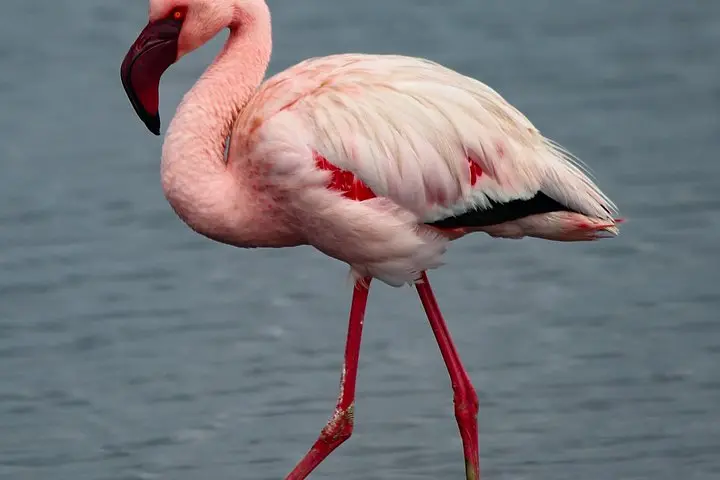
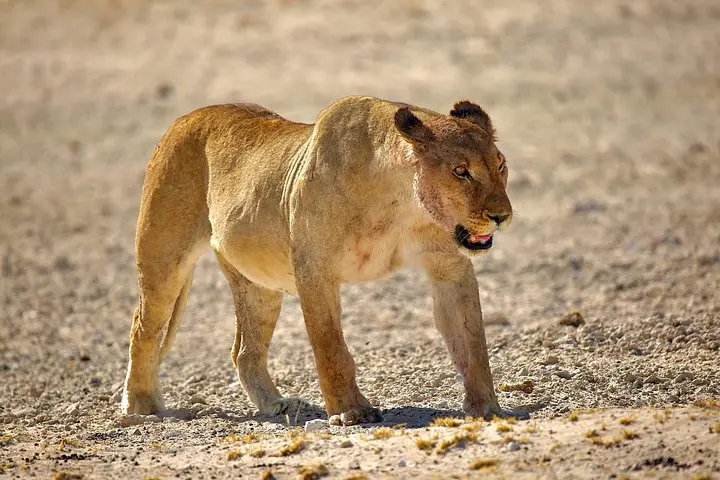
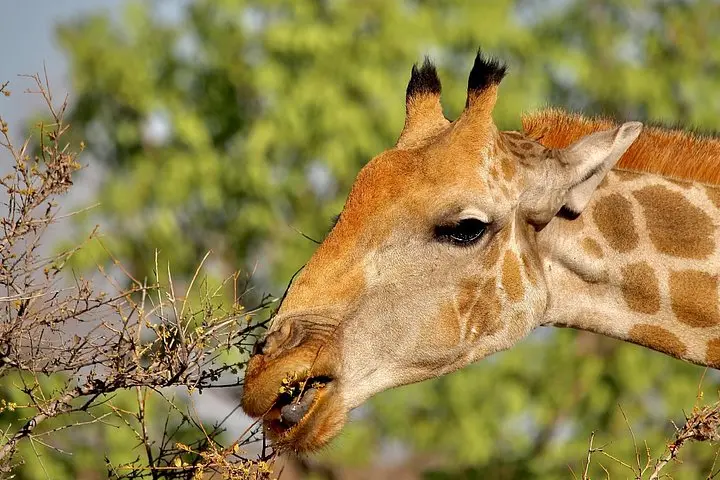
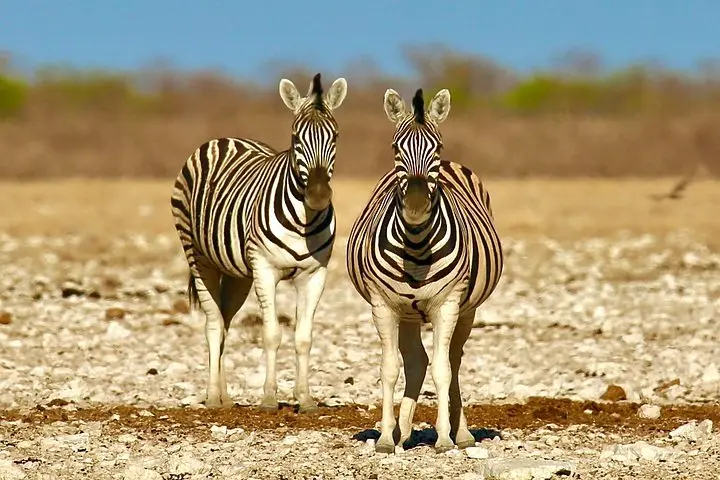
The convoy crests a red ridge as morning light pours over endless sand; wind sketches ripples across faces of dunes and the air tastes faintly of salt as you approach the Atlantic. Daybreak in Sossusvlei means boots in sand and a climb up steep, yielding slopes—each step a small surrender to the desert’s momentum. Later, coastal fog gives Swakopmund a cool reprieve; evaporating clouds reveal flocks of flamingos at Walvis Bay. Finally, Etosha’s flat white pan frames elephant herds and cautious lions drawn to glittering waterholes.
The convoy crests a red ridge as morning light pours over endless sand; wind sketches ripples across faces of dunes and the air tastes faintly of salt as you approach the Atlantic. Daybreak in Sossusvlei means boots in sand and a climb up steep, yielding slopes—each step a small surrender to the desert’s momentum. Later, coastal fog gives Swakopmund a cool reprieve; evaporating clouds reveal flocks of flamingos at Walvis Bay. Finally, Etosha’s flat white pan frames elephant herds and cautious lions drawn to glittering waterholes.
This loop threads Namibia’s geological story: the Namib is one of Earth’s oldest deserts, shaped by wind, age, and the cold Benguela Current. German colonial roads and local Herero and Nama communities have left visible cultural marks—markets, woodcarvings, and roadside stops. Etosha’s salt pan is a remnant inland sea, now a magnet for wildlife during dry seasons.
Expect long driving days (several 4–8 hour transfers), early starts for dune climbs and game drives, and basic campsite comforts. Terrain shifts from soft, steep sand (Dune 45 and Big Daddy climb gains up to a few hundred metres) to gravel highways and flat savanna around Etosha. Temperatures swing dramatically—hot by day, cold at night—so layer and hydrate. Wildlife viewing concentrates around permanent waterholes; patience and quiet yield the best encounters.
Practical tips: plan for sand in gear, bring strong sun protection and at least 3–4 liters of water per day during desert sections, and schedule activities early or late to avoid mid-day heat. This route rewards resilience: dramatic landscapes, close birdlife on the coast, and classic African game viewing at Etosha’s waterholes.