THE ADVENTURE COLLECTIVE® · Independent discovery and booking for outdoor travel

Witness the Great Wildebeest Migration’s intense calving pulse on a private six-day safari through Ndutu and Ngorongoro. Long game drives, soda lakes, and close predator-prey dynamics make this a front-row seat to nature’s seasonal drama.
Witness the Great Wildebeest Migration’s intense calving pulse on a private six-day safari through Ndutu and Ngorongoro. Long game drives, soda lakes, and close predator-prey dynamics make this a front-row seat to nature’s seasonal drama.
Dust rises in slow columns as a thousand hooves drum the short-grass plains of Ndutu. You arrive before dawn in a four-wheel-drive, the cool air tasting of dust and distant coffee, and the plain opens: wildebeest, zebra and gazelle tightening into a single moving pulse. The calves are small and quick; predators test the edges.
Verified experiences and guided adventures in the surrounding area.
Operated by MERU SLOPES TOURS AND SAFARIS · Arusha, Arusha Region
Dust rises in slow columns as a thousand hooves drum the short-grass plains of Ndutu. You arrive before dawn in a four-wheel-drive, the cool air tasting of dust and distant coffee, and the plain opens: wildebeest, zebra and gazelle tightening into a single moving pulse. The calves are small and quick; predators test the edges.
This six-day, private safari traces a seasonal ritual tied to rainfall and grass growth. Geologically the southern Serengeti and Ndutu lie on rift-floor plains and alkaline soda lakes—shallow basins that attract birds and grazing herds. Culturally, Maasai communities and Ngorongoro pastoralists have read these movements for generations; today conservation zones, lodges and mobile camps negotiate access so both people and wildlife can persist.
Expect varied terrain—short grass plains, intermittent acacia stands, and muddy pans around Lake Ndutu—where predators exploit openness and calves rely on numbers and speed. Game drives run long; a midday shade lunch is typical. Guides translate animal behavior into real-time strategy: where the herd may surge, where lions linger.
Practical guidance: travel light but bring long lenses and binoculars, pace yourself for early starts and late returns, and carry sun protection and water. Respect park rules and your guide’s instructions—wildlife is wild. This trip delivers immediate, up-close drama of the Great Migration’s birthing pulse, balanced by practical logistics and a quiet appreciation for an ecosystem that still moves by seasons.
Calving peaks between December and February into March in the Ndutu region; exact timing shifts with rainfall, so late December to February is most reliable.
This private tour can accommodate families; infant seats are available but expect long drives and limited facilities at mobile camps—check with the operator before booking.
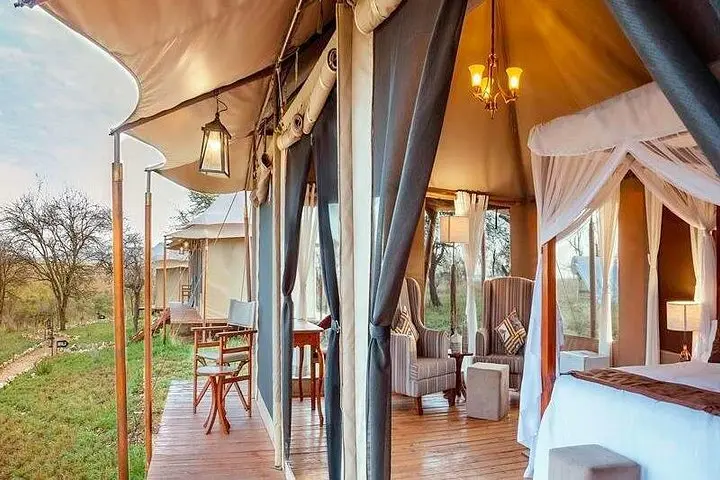
Typical inclusions: accommodation (camp and lodges unless upgraded), a professional driver/guide, transport, and meals as listed; park fees may be included depending on booking terms—confirm before travel.
Guides maintain safe viewing distances as required by park rules; vehicles approach for good views but will not interfere with feeding or hunting animals—always follow guide instructions.
MERU SLOPES TOURS AND SAFARIS operates guided outdoor trips and adventures with an emphasis on safety, stewardship, and memorable experiences.
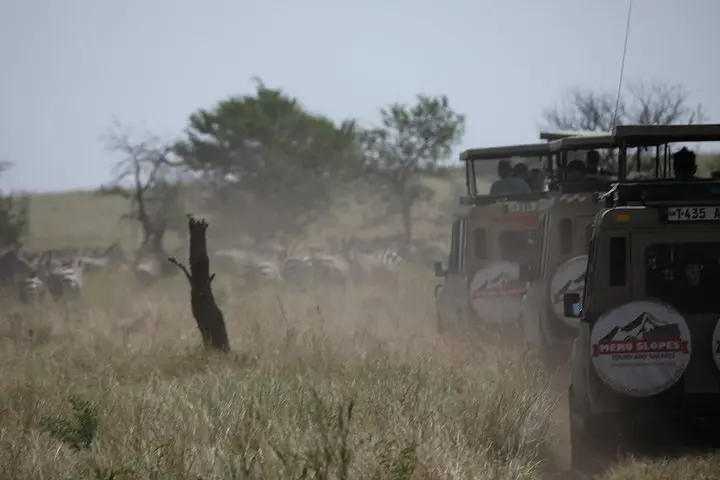
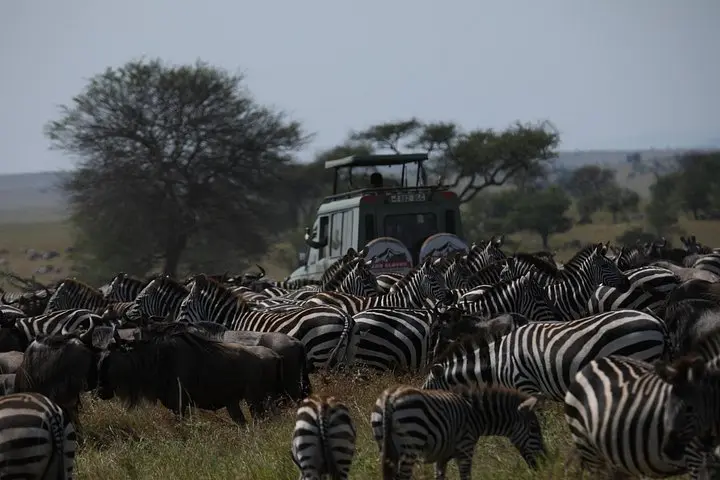
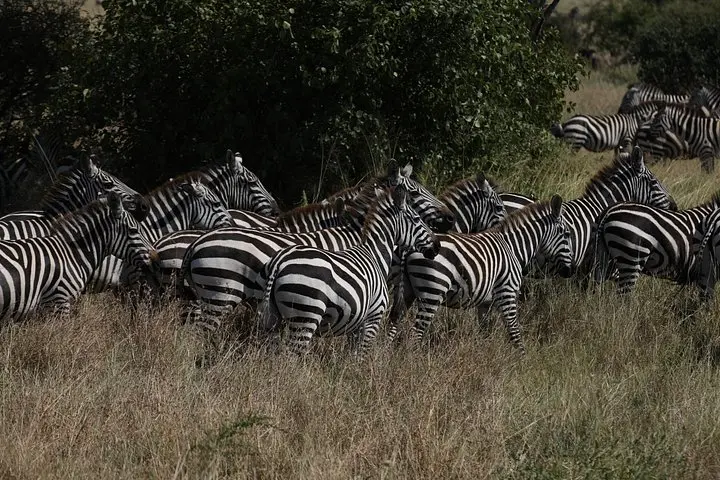
Dust rises in slow columns as a thousand hooves drum the short-grass plains of Ndutu. You arrive before dawn in a four-wheel-drive, the cool air tasting of dust and distant coffee, and the plain opens: wildebeest, zebra and gazelle tightening into a single moving pulse. The calves are small and quick; predators test the edges.
Dust rises in slow columns as a thousand hooves drum the short-grass plains of Ndutu. You arrive before dawn in a four-wheel-drive, the cool air tasting of dust and distant coffee, and the plain opens: wildebeest, zebra and gazelle tightening into a single moving pulse. The calves are small and quick; predators test the edges.
This six-day, private safari traces a seasonal ritual tied to rainfall and grass growth. Geologically the southern Serengeti and Ndutu lie on rift-floor plains and alkaline soda lakes—shallow basins that attract birds and grazing herds. Culturally, Maasai communities and Ngorongoro pastoralists have read these movements for generations; today conservation zones, lodges and mobile camps negotiate access so both people and wildlife can persist.
Expect varied terrain—short grass plains, intermittent acacia stands, and muddy pans around Lake Ndutu—where predators exploit openness and calves rely on numbers and speed. Game drives run long; a midday shade lunch is typical. Guides translate animal behavior into real-time strategy: where the herd may surge, where lions linger.
Practical guidance: travel light but bring long lenses and binoculars, pace yourself for early starts and late returns, and carry sun protection and water. Respect park rules and your guide’s instructions—wildlife is wild. This trip delivers immediate, up-close drama of the Great Migration’s birthing pulse, balanced by practical logistics and a quiet appreciation for an ecosystem that still moves by seasons.