THE ADVENTURE COLLECTIVE® · Independent discovery and booking for outdoor travel

Combine sleeper-train travel with a three-night Nile cruise between Aswan and Luxor to see Abu Simbel, Philae, Kom Ombo, Edfu and the Valley of the Kings. This six-day tour balances relaxed river time with concentrated temple visits—perfect for history-minded travelers who like practical comfort.
Combine sleeper-train travel with a three-night Nile cruise between Aswan and Luxor to see Abu Simbel, Philae, Kom Ombo, Edfu and the Valley of the Kings. This six-day tour balances relaxed river time with concentrated temple visits—perfect for history-minded travelers who like practical comfort.
You step off an overnight sleeping train into the dry, warm air of Aswan and the Nile greets you like an old current—slow, insistently moving south to north, carrying palm-fringed villages and temples that dare you to keep up.
Verified experiences and guided adventures in the surrounding area.
Operated by Special trips · Aswan, Aswan Governorate
You step off an overnight sleeping train into the dry, warm air of Aswan and the Nile greets you like an old current—slow, insistently moving south to north, carrying palm-fringed villages and temples that dare you to keep up.
This six-day itinerary pairs three nights aboard a full-board Nile cruiser with overnight sleeper trains to and from Cairo, threading highlights from Abu Simbel to Karnak. The river here slices through Nubian granite; the High Dam reshaped the landscape and the modern lake mirrors millennia of pharaonic stone. Abu Simbel’s colossal figures once faced the desert sun; in the 1960s they were cut from rock and moved to higher ground to survive the rising waters of Lake Nasser.
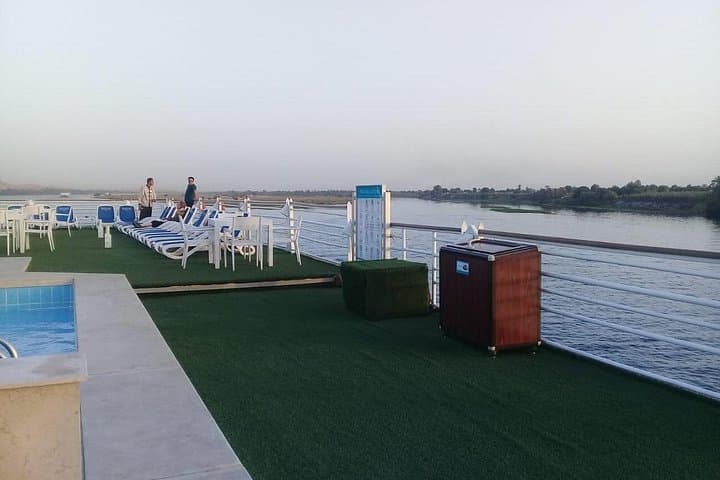
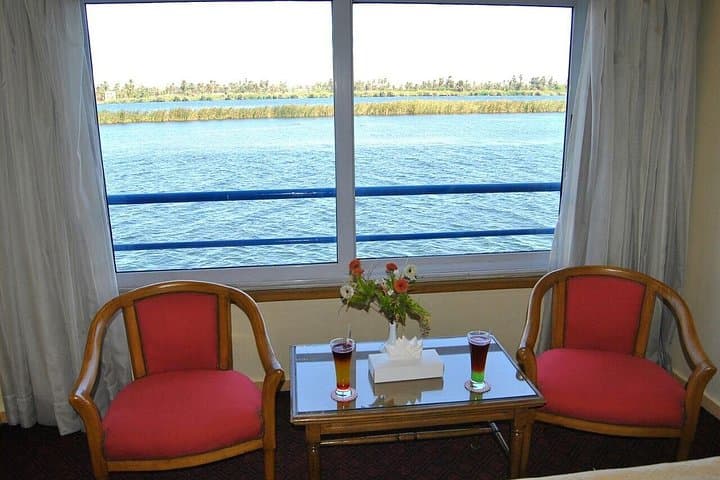
Onboard life is practical and social—meals, a pool and evening entertainment—while day excursions drop you into layered history: Philae’s island temple, Kom Ombo’s dual sanctuaries, the well-preserved shrine at Edfu, and Luxor’s East and West Bank necropolises. Expect stone thresholds, narrow temple passages, and steep tomb steps—culture that rewards patience and steady footing.
Plan travel around heat: early starts for Abu Simbel, shaded breaks in mid-day, and closed-toed shoes for ruins. Carry local currency for tips and small purchases, respect conservative dress at religious sites, and book rest days if you’re prone to travel fatigue. The trip balances relaxed river time with concentrated, sometimes active archaeology—bring sun protection, a refillable bottle, and a readiness to walk where history still pushes outward from the rocks.
The tour description lists visits to all major sites; confirm specific entrance fees with the operator—Abu Simbel access is included as an excursion on this itinerary.
Sleeping trains are private cabins with dinner and breakfast included; cabins are basic but provide a full bed and privacy for overnight travel.
The itinerary is rated easy for general fitness, but sites include stairs and uneven surfaces—consider mobility limitations and heat exposure for young children and older travelers.
Cruise time is balanced with guided excursions; expect leisurely periods onboard between morning and afternoon cultural visits, plus one evening for onboard entertainment.
Special trips operates guided outdoor trips and adventures with an emphasis on safety, stewardship, and memorable experiences.
You step off an overnight sleeping train into the dry, warm air of Aswan and the Nile greets you like an old current—slow, insistently moving south to north, carrying palm-fringed villages and temples that dare you to keep up.
You step off an overnight sleeping train into the dry, warm air of Aswan and the Nile greets you like an old current—slow, insistently moving south to north, carrying palm-fringed villages and temples that dare you to keep up.
This six-day itinerary pairs three nights aboard a full-board Nile cruiser with overnight sleeper trains to and from Cairo, threading highlights from Abu Simbel to Karnak. The river here slices through Nubian granite; the High Dam reshaped the landscape and the modern lake mirrors millennia of pharaonic stone. Abu Simbel’s colossal figures once faced the desert sun; in the 1960s they were cut from rock and moved to higher ground to survive the rising waters of Lake Nasser.
Onboard life is practical and social—meals, a pool and evening entertainment—while day excursions drop you into layered history: Philae’s island temple, Kom Ombo’s dual sanctuaries, the well-preserved shrine at Edfu, and Luxor’s East and West Bank necropolises. Expect stone thresholds, narrow temple passages, and steep tomb steps—culture that rewards patience and steady footing.
Plan travel around heat: early starts for Abu Simbel, shaded breaks in mid-day, and closed-toed shoes for ruins. Carry local currency for tips and small purchases, respect conservative dress at religious sites, and book rest days if you’re prone to travel fatigue. The trip balances relaxed river time with concentrated, sometimes active archaeology—bring sun protection, a refillable bottle, and a readiness to walk where history still pushes outward from the rocks.