THE ADVENTURE COLLECTIVE® · Independent discovery and booking for outdoor travel

Board an overnight train from Cairo to Aswan, then let the Nile ferry you past millennia of temples and Nubian villages on a five‑star cruise. Early starts for Abu Simbel and guided tours of Luxor’s East and West Banks make this an efficient, immersive six‑day cultural voyage.
Board an overnight train from Cairo to Aswan, then let the Nile ferry you past millennia of temples and Nubian villages on a five‑star cruise. Early starts for Abu Simbel and guided tours of Luxor’s East and West Banks make this an efficient, immersive six‑day cultural voyage.
You step onto the sleeper train under Cairo's orange glow and sleep to the steady click of rails; morning finds you in Aswan where the Nile opens like a long, slow highway. Boarding a five‑star dahabiya-style cruise, the river becomes your route between temples — Philae’s island sanctuary, the sunrise drama at Abu Simbel, the twin shrines of Kom Ombo and the well‑preserved Edfu temple — each one a chapter in a landscape shaped by water and stone.
Verified experiences and guided adventures in the surrounding area.
Operated by CRUISE ERA · Aswan, Aswan Governorate
You step onto the sleeper train under Cairo's orange glow and sleep to the steady click of rails; morning finds you in Aswan where the Nile opens like a long, slow highway. Boarding a five‑star dahabiya-style cruise, the river becomes your route between temples — Philae’s island sanctuary, the sunrise drama at Abu Simbel, the twin shrines of Kom Ombo and the well‑preserved Edfu temple — each one a chapter in a landscape shaped by water and stone.
Geology here is simple and visible: the Nile carved a fertile ribbon through sandstone and limestone, creating low cliffs, fertile banks and the isolated granite of Aswan quarries that supplied ancient blocks. Culturally, expect a mix of Pharaonic grandeur and living Nubian villages, where boat traffic, felucca sails and small riverside markets still set the rhythm.
Practically, the itinerary balances easy days aboard with short, guided excursions ashore led by an Egyptologist. Abu Simbel is an early start (around 5 a.m. is standard) to catch cooler light and avoid crowds. Expect coffin‑room stair steps at the Valley of the Kings and narrow temple corridors — comfortable shoes and sun protection matter more than fitness. Trains link your return to Cairo; cabins on the sleeper train provide rest between busy days.
Bring cash for tips and small purchases, plan for long photo opportunities at locks and river bends, and respect dress codes at religious sites. The Nile doesn’t hurry; this cruise lets the river set your pace while ancient stone explains why civilizations settled here.
Yes—round‑trip first‑class seated train tickets between Cairo and Aswan are included; sleeper or flights may be available for an extra fee.
Yes—an early morning excursion to Abu Simbel is scheduled, typically requiring a very early start to return to the cruise for sailing.
Meals aboard the cruise (breakfast, lunch, dinner) and three nights on the five‑star cruise are included; trains provide basic overnight accommodation as described.
The cruise is low‑effort but many sites have stairs and uneven surfaces; travelers with limited mobility should check specific accessibility needs with the operator before booking.
CRUISE ERA operates guided outdoor trips and adventures with an emphasis on safety, stewardship, and memorable experiences.
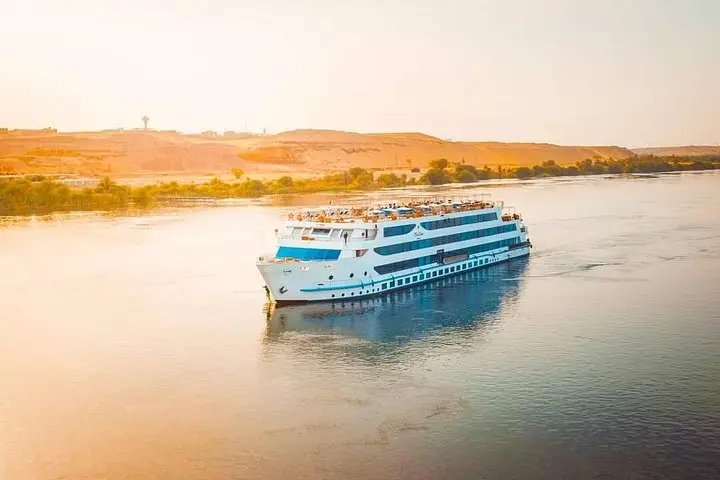
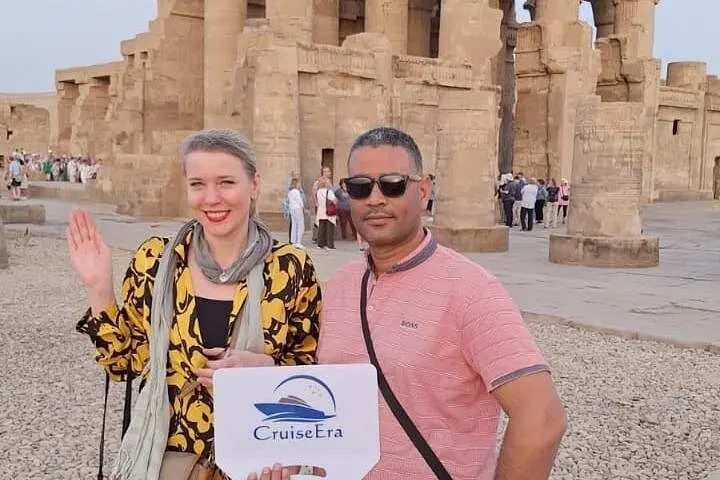
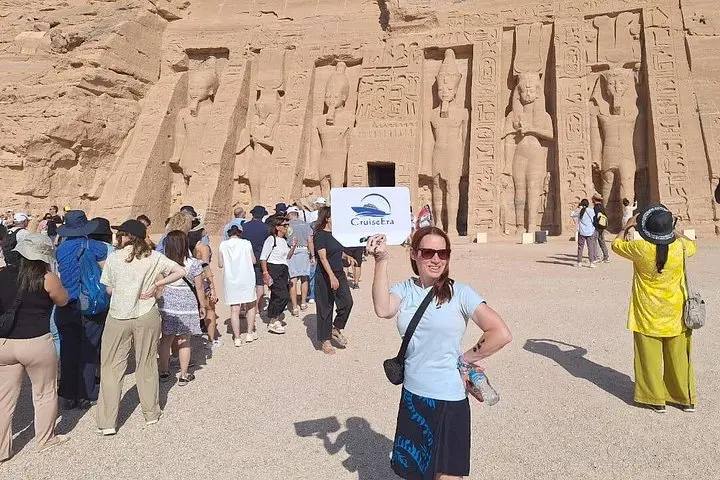
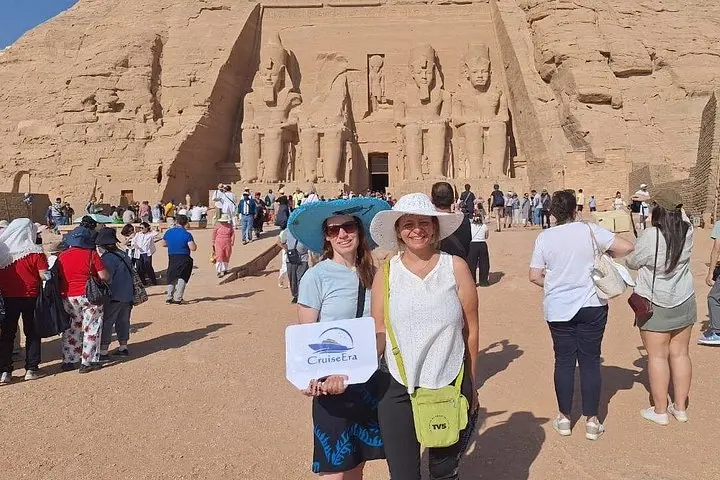
You step onto the sleeper train under Cairo's orange glow and sleep to the steady click of rails; morning finds you in Aswan where the Nile opens like a long, slow highway. Boarding a five‑star dahabiya-style cruise, the river becomes your route between temples — Philae’s island sanctuary, the sunrise drama at Abu Simbel, the twin shrines of Kom Ombo and the well‑preserved Edfu temple — each one a chapter in a landscape shaped by water and stone.
You step onto the sleeper train under Cairo's orange glow and sleep to the steady click of rails; morning finds you in Aswan where the Nile opens like a long, slow highway. Boarding a five‑star dahabiya-style cruise, the river becomes your route between temples — Philae’s island sanctuary, the sunrise drama at Abu Simbel, the twin shrines of Kom Ombo and the well‑preserved Edfu temple — each one a chapter in a landscape shaped by water and stone.
Geology here is simple and visible: the Nile carved a fertile ribbon through sandstone and limestone, creating low cliffs, fertile banks and the isolated granite of Aswan quarries that supplied ancient blocks. Culturally, expect a mix of Pharaonic grandeur and living Nubian villages, where boat traffic, felucca sails and small riverside markets still set the rhythm.
Practically, the itinerary balances easy days aboard with short, guided excursions ashore led by an Egyptologist. Abu Simbel is an early start (around 5 a.m. is standard) to catch cooler light and avoid crowds. Expect coffin‑room stair steps at the Valley of the Kings and narrow temple corridors — comfortable shoes and sun protection matter more than fitness. Trains link your return to Cairo; cabins on the sleeper train provide rest between busy days.
Bring cash for tips and small purchases, plan for long photo opportunities at locks and river bends, and respect dress codes at religious sites. The Nile doesn’t hurry; this cruise lets the river set your pace while ancient stone explains why civilizations settled here.