THE ADVENTURE COLLECTIVE® · Independent discovery and booking for outdoor travel

Drive the Senegambia corridor into Niokolo-Koba’s gallery forests, track elephants on morning safaris, and cool off beneath the 100m Dindefelo Falls—all while visiting stone circles, potters’ villages and colonial Georgetown. This six-day loop blends wildlife and culture with long drives and early starts.
Drive the Senegambia corridor into Niokolo-Koba’s gallery forests, track elephants on morning safaris, and cool off beneath the 100m Dindefelo Falls—all while visiting stone circles, potters’ villages and colonial Georgetown. This six-day loop blends wildlife and culture with long drives and early starts.
The morning air tastes of dust and riverwater as the convoy slips onto the Senegambia highway, villages sliding past in a steady procession of markets, palms and red earth. On Day 1 you feel the region opening up—donkey carts clopping, market vendors calling—until the landscape thins and gallery forest edges the road. By the time you reach Wassadu Camp, the bush has a patient hush that promises wildlife.
Verified experiences and guided adventures in the surrounding area.
Operated by Arch Tours · Kédougou, Kédougou Region
The morning air tastes of dust and riverwater as the convoy slips onto the Senegambia highway, villages sliding past in a steady procession of markets, palms and red earth. On Day 1 you feel the region opening up—donkey carts clopping, market vendors calling—until the landscape thins and gallery forest edges the road. By the time you reach Wassadu Camp, the bush has a patient hush that promises wildlife.
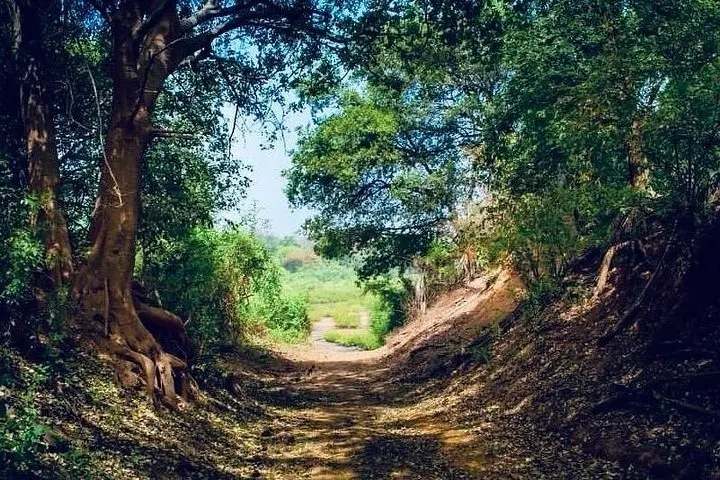
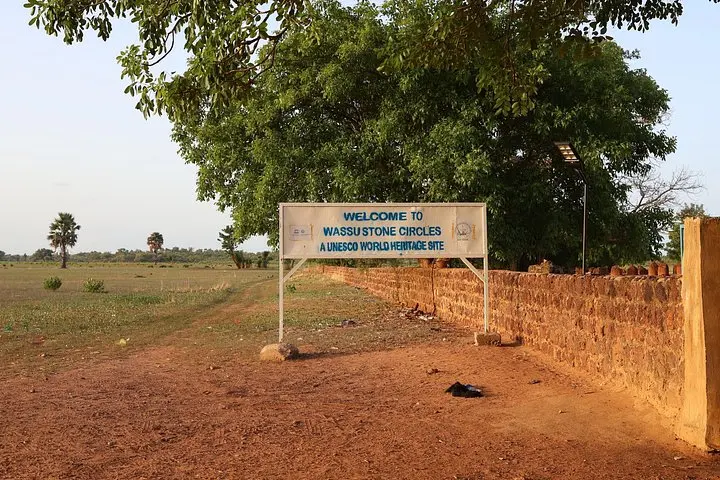
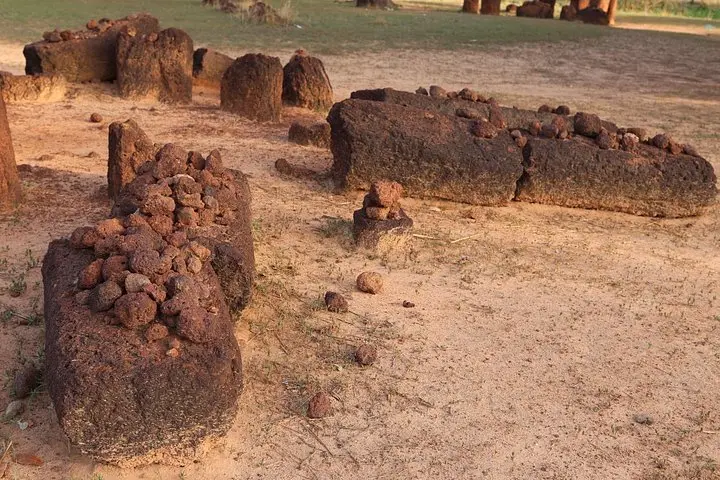
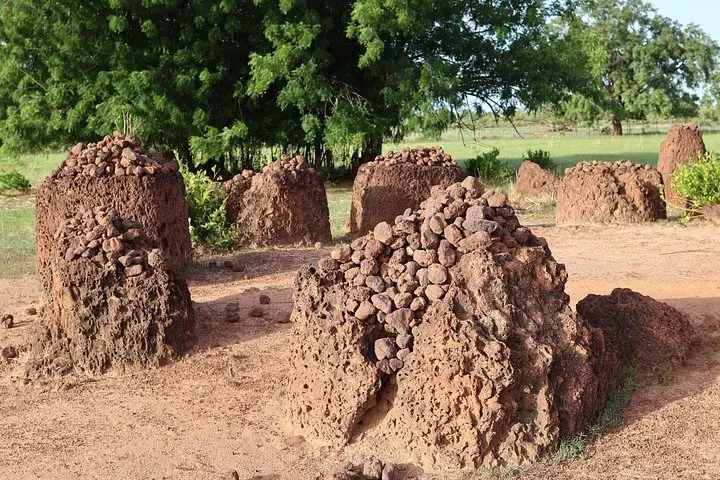
Niokolo-Koba National Park is a geological and ecological patchwork: sandstone outcrops, gallery forest along rivers, and broad savannah where elephant paths are worn into the soil. The park’s stone-age burial circles at Wassu and the slave-dungeon sites in Georgetown remind visitors this is also a place written by people—traders, potters and river communities whose craft and stories shape daily life. Dindefelo Falls pours out of a rocky amphitheater near the Guinea border; its plunge pools offer a rare, cool pause after dusty drives and game drives.
Practically: expect long drives between points, early starts for peak wildlife activity, and basic lodge facilities with regional meals included. Safari runs in open-bodied jeeps with experienced guides; bring binoculars and lightweight layers for dawn and dusk. Border crossings are routine but require patience and current travel documents. Hydrate often, wear sturdy shoes for short walks to viewpoints, and carry cash for local markets.
This trip marries wildlife viewing—elephants, chimps and abundant birds—with intimate cultural contact in villages and coastal Cap Skirring, delivering a compact but varied West African expedition.
Yes—check current visa requirements for both The Gambia and Senegal for your nationality, and carry passports and any required entry stamps for smooth crossings.
Guided safaris commonly find elephants, various antelope species, hippos along rivers, and many bird species; sightings of lions or leopards are less frequent but possible.
Lodges on this itinerary range from simple eco-lodges to regionally comfortable hotels; expect basic amenities, private rooms, and communal dining at camps like Wassadu.
Not ideal for infants or travelers with serious back problems; the tour involves long drives, uneven paths, and occasional vehicle transfers—check with the operator for accommodations.
Arch Tours operates guided outdoor trips and adventures with an emphasis on safety, stewardship, and memorable experiences.
The morning air tastes of dust and riverwater as the convoy slips onto the Senegambia highway, villages sliding past in a steady procession of markets, palms and red earth. On Day 1 you feel the region opening up—donkey carts clopping, market vendors calling—until the landscape thins and gallery forest edges the road. By the time you reach Wassadu Camp, the bush has a patient hush that promises wildlife.
The morning air tastes of dust and riverwater as the convoy slips onto the Senegambia highway, villages sliding past in a steady procession of markets, palms and red earth. On Day 1 you feel the region opening up—donkey carts clopping, market vendors calling—until the landscape thins and gallery forest edges the road. By the time you reach Wassadu Camp, the bush has a patient hush that promises wildlife.
Niokolo-Koba National Park is a geological and ecological patchwork: sandstone outcrops, gallery forest along rivers, and broad savannah where elephant paths are worn into the soil. The park’s stone-age burial circles at Wassu and the slave-dungeon sites in Georgetown remind visitors this is also a place written by people—traders, potters and river communities whose craft and stories shape daily life. Dindefelo Falls pours out of a rocky amphitheater near the Guinea border; its plunge pools offer a rare, cool pause after dusty drives and game drives.
Practically: expect long drives between points, early starts for peak wildlife activity, and basic lodge facilities with regional meals included. Safari runs in open-bodied jeeps with experienced guides; bring binoculars and lightweight layers for dawn and dusk. Border crossings are routine but require patience and current travel documents. Hydrate often, wear sturdy shoes for short walks to viewpoints, and carry cash for local markets.
This trip marries wildlife viewing—elephants, chimps and abundant birds—with intimate cultural contact in villages and coastal Cap Skirring, delivering a compact but varied West African expedition.