THE ADVENTURE COLLECTIVE® · Independent discovery and booking for outdoor travel

Cross the High Atlas, walk beneath Todgha’s red cliffs and ride camels into the Erg Chebbi dunes on a six-day loop from Marrakech. Expect long drives, ancient kasbahs, desert nights, and vivid cultural encounters with Berber communities.
Cross the High Atlas, walk beneath Todgha’s red cliffs and ride camels into the Erg Chebbi dunes on a six-day loop from Marrakech. Expect long drives, ancient kasbahs, desert nights, and vivid cultural encounters with Berber communities.
Before the sun clears the High Atlas ridgeline, the convoy threads the Tizi n’Tichka Pass and the road opens into ochre kasbahs and olive-splashed valleys. By day three the landscape changes again: the Todgha cliffs rise like folded pages, and by day four the Erg Chebbi dunes rise and breathe — sand that moves, hides and reveals traces of nomad life.
Verified experiences and guided adventures in the surrounding area.
Operated by JD Morocco Tours, Sarl · Merzouga, Errachidia Province
Before the sun clears the High Atlas ridgeline, the convoy threads the Tizi n’Tichka Pass and the road opens into ochre kasbahs and olive-splashed valleys. By day three the landscape changes again: the Todgha cliffs rise like folded pages, and by day four the Erg Chebbi dunes rise and breathe — sand that moves, hides and reveals traces of nomad life.
This route follows ancient caravan corridors and modern film roads. Geologically the region is a collision of folded High Atlas limestone and wind-sculpted Saharan sand seas; you’ll pass red gorges carved to 300m, river-cut palm oases, and the mudbrick architecture of Ait Ben Haddou, a UNESCO stop that records centuries of caravan trade and film history.
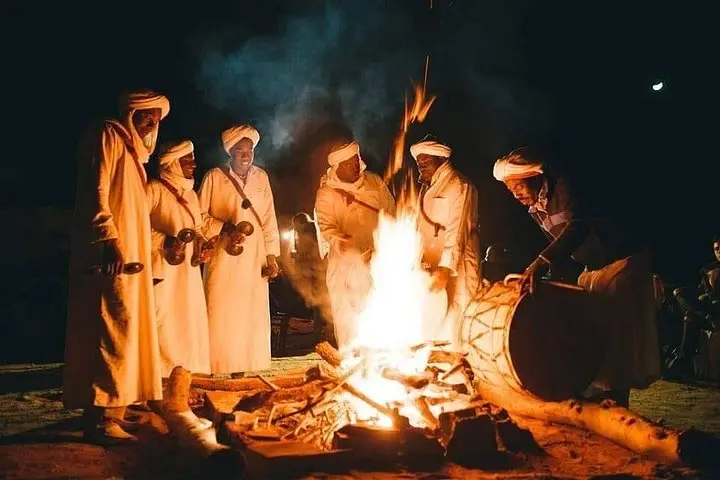
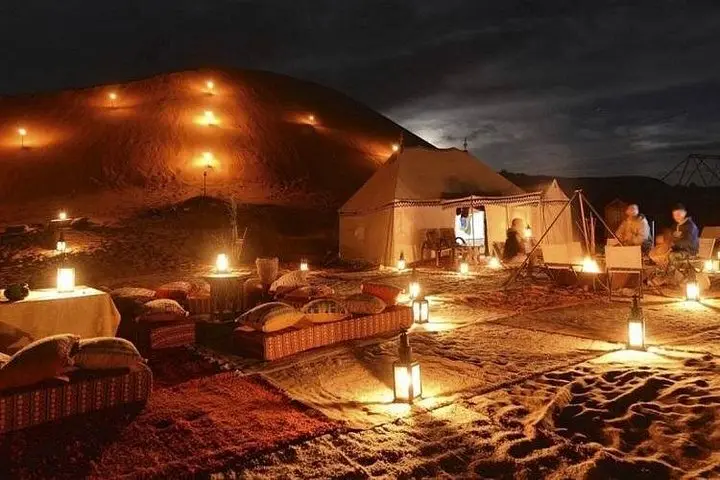
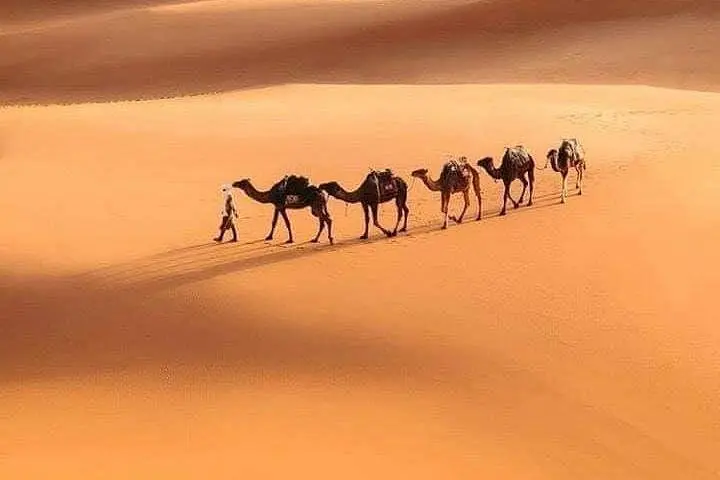
Culture is active and present: Berber villages, rose-water stalls in Kalaat M’Gouna, and Gnawa music sessions in Merzouga create human rhythm against a vast backdrop. Expect camel treks across Erg Chebbi at sunset, a night in a desert camp under an immense sky, and a return through the Draa palm groves where irrigation lines and kasbahs mark settled desert life.
Practical guidance: pack layered clothing for hot days and cold nights, bring 3L+ water per day, and wear closed shoes for dune traverses and rocky gorges. Travel times include several long drives—plan for motion comfort and camera breaks. Choose a spring or autumn window for milder daytime temps; winter brings freezing nights in the desert and possible snow in the High Atlas. The trip is ideal for travelers comfortable with multi-day road travel, light hiking, and basic camping comforts rather than luxury lodgings.
Most operators include pickup from Marrakech riads or hotels; confirm your exact pickup point when booking.
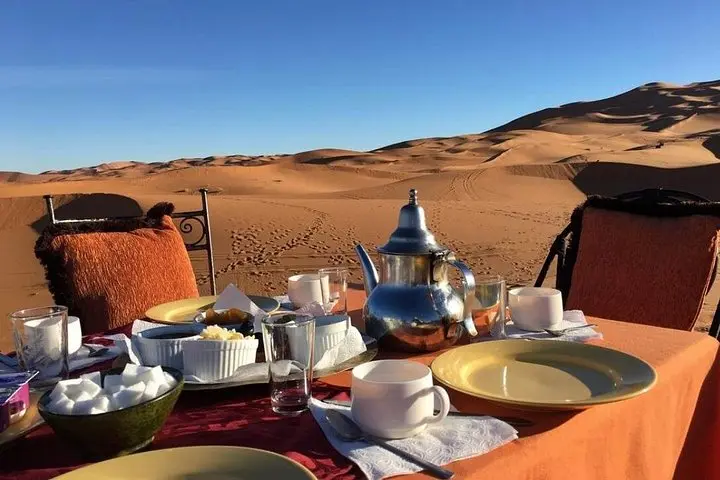
Camps range from basic Berber tents with mattresses to more upgraded setups; this itinerary reflects mid-range (3-star) lodging and typical desert-camp facilities.
No — camel treks are beginner-friendly and guided; mounts can be slow and steady, but expect short periods of sway and mounting assistance.
The tour includes daily breakfasts and most dinners as noted; some site admissions and optional activities may be extra—check the booking inclusions.
JD Morocco Tours, Sarl operates guided outdoor trips and adventures with an emphasis on safety, stewardship, and memorable experiences.
Before the sun clears the High Atlas ridgeline, the convoy threads the Tizi n’Tichka Pass and the road opens into ochre kasbahs and olive-splashed valleys. By day three the landscape changes again: the Todgha cliffs rise like folded pages, and by day four the Erg Chebbi dunes rise and breathe — sand that moves, hides and reveals traces of nomad life.
Before the sun clears the High Atlas ridgeline, the convoy threads the Tizi n’Tichka Pass and the road opens into ochre kasbahs and olive-splashed valleys. By day three the landscape changes again: the Todgha cliffs rise like folded pages, and by day four the Erg Chebbi dunes rise and breathe — sand that moves, hides and reveals traces of nomad life.
This route follows ancient caravan corridors and modern film roads. Geologically the region is a collision of folded High Atlas limestone and wind-sculpted Saharan sand seas; you’ll pass red gorges carved to 300m, river-cut palm oases, and the mudbrick architecture of Ait Ben Haddou, a UNESCO stop that records centuries of caravan trade and film history.
Culture is active and present: Berber villages, rose-water stalls in Kalaat M’Gouna, and Gnawa music sessions in Merzouga create human rhythm against a vast backdrop. Expect camel treks across Erg Chebbi at sunset, a night in a desert camp under an immense sky, and a return through the Draa palm groves where irrigation lines and kasbahs mark settled desert life.
Practical guidance: pack layered clothing for hot days and cold nights, bring 3L+ water per day, and wear closed shoes for dune traverses and rocky gorges. Travel times include several long drives—plan for motion comfort and camera breaks. Choose a spring or autumn window for milder daytime temps; winter brings freezing nights in the desert and possible snow in the High Atlas. The trip is ideal for travelers comfortable with multi-day road travel, light hiking, and basic camping comforts rather than luxury lodgings.