THE ADVENTURE COLLECTIVE® · Independent discovery and booking for outdoor travel

A six-day road-and-valley circuit through North Sikkim that pairs high alpine lakes with village life. Expect long scenic drives, high-altitude passes, and glacial valleys from Lachen to Lachung.
A six-day road-and-valley circuit through North Sikkim that pairs high alpine lakes with village life. Expect long scenic drives, high-altitude passes, and glacial valleys from Lachen to Lachung.
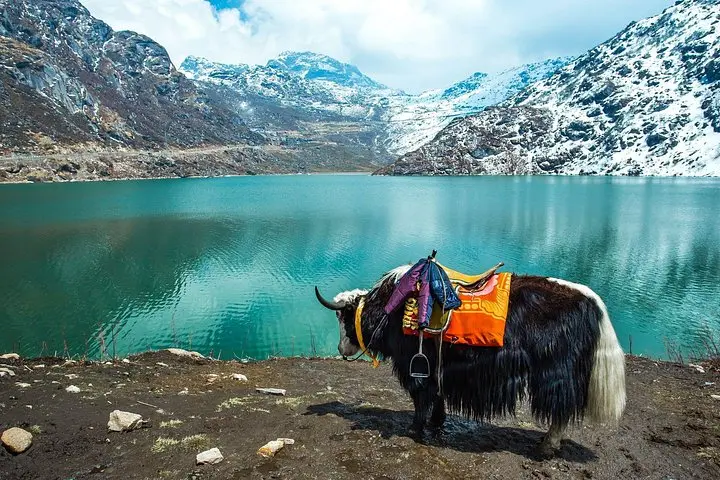
You climb out of Gangtok before dawn and the road begins to unfurl—hairpins, terraces, and river-cut gorges—while the high ridgelines steal the sky. By mid-morning the air thins and the valley floors open into meadows grazed by yaks; Chopta and Thangu announce themselves with stony moraines and wind-bent rhododendrons.
Verified experiences and guided adventures in the surrounding area.
Operated by Triplounger Sikkim · Gangtok, Sikkim
You climb out of Gangtok before dawn and the road begins to unfurl—hairpins, terraces, and river-cut gorges—while the high ridgelines steal the sky. By mid-morning the air thins and the valley floors open into meadows grazed by yaks; Chopta and Thangu announce themselves with stony moraines and wind-bent rhododendrons.
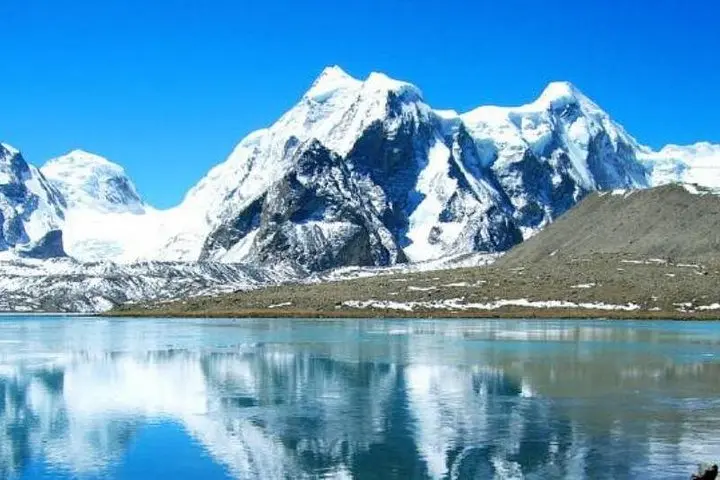
This six-day circuit links Sikkim’s mountain villages and sacred high lakes. Lachen (2,750 m / 9,175 ft) and Lachung (2,425 m / 8,075 ft) were shaped by glaciation and sit below passes that have long been conduits for Tibetan culture; monasteries, mani stones and yak caravans still mark local life. Gurudongmar, one of India’s highest freshwater lakes (about 5,225 m / 17,375 ft), is both a geological bowl held by moraines and a spiritual place revered by Buddhists, Sikhs and Hindus.
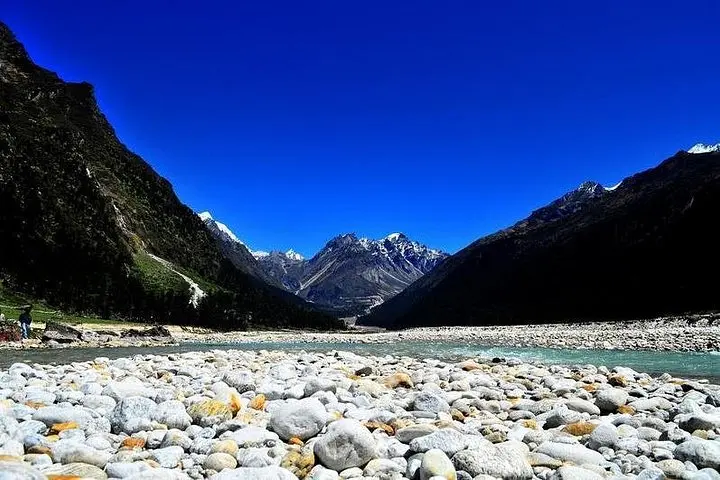
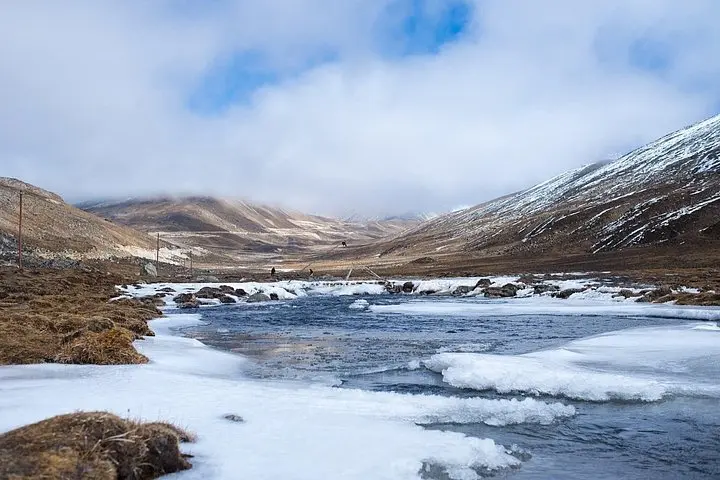
Expect long drives on narrow mountain roads—Lachen to Lachung is roughly 50 km and about 2.5 hours—and daily altitude shifts: Thangu (4,100 m) and Chopta (4,000 m) precede the Gurudongmar push. The landscape alternates between alpine meadows, frozen rivulets and exposed scree; rivers cut the valleys and the hot springs at Yumthang offer a prime rest stop.
Practical notes: permit requirements and high-altitude conditions mean travel is best with a local operator who arranges documents, heating and basic accommodation. Pack layered insulation, sturdy boots, sun protection and a filled water bottle, and plan to move slowly the first two days to acclimatize. Avoid alcohol, monitor for headache or nausea, and keep mornings flexible—the mountains often decide the schedule.
Yes—several areas in North Sikkim require special permits; most tour operators process them in advance, so confirm permit coverage when you book.
Spring (April–June) and fall (September–October) offer the most stable weather and best visibility; monsoon months carry landslide risk and winter brings heavy snow at high altitudes.
Because the tour reaches elevations above 5,000 m, mild altitude symptoms are possible; allow time to acclimatize, hydrate, avoid alcohol and seek medical advice if symptoms worsen.
This itinerary is not recommended for pregnant travelers; infants may travel but operators often require they sit on an adult’s lap—check the operator’s policy before booking.
Triplounger Sikkim operates guided outdoor trips and adventures with an emphasis on safety, stewardship, and memorable experiences.
You climb out of Gangtok before dawn and the road begins to unfurl—hairpins, terraces, and river-cut gorges—while the high ridgelines steal the sky. By mid-morning the air thins and the valley floors open into meadows grazed by yaks; Chopta and Thangu announce themselves with stony moraines and wind-bent rhododendrons.
You climb out of Gangtok before dawn and the road begins to unfurl—hairpins, terraces, and river-cut gorges—while the high ridgelines steal the sky. By mid-morning the air thins and the valley floors open into meadows grazed by yaks; Chopta and Thangu announce themselves with stony moraines and wind-bent rhododendrons.
This six-day circuit links Sikkim’s mountain villages and sacred high lakes. Lachen (2,750 m / 9,175 ft) and Lachung (2,425 m / 8,075 ft) were shaped by glaciation and sit below passes that have long been conduits for Tibetan culture; monasteries, mani stones and yak caravans still mark local life. Gurudongmar, one of India’s highest freshwater lakes (about 5,225 m / 17,375 ft), is both a geological bowl held by moraines and a spiritual place revered by Buddhists, Sikhs and Hindus.
Expect long drives on narrow mountain roads—Lachen to Lachung is roughly 50 km and about 2.5 hours—and daily altitude shifts: Thangu (4,100 m) and Chopta (4,000 m) precede the Gurudongmar push. The landscape alternates between alpine meadows, frozen rivulets and exposed scree; rivers cut the valleys and the hot springs at Yumthang offer a prime rest stop.
Practical notes: permit requirements and high-altitude conditions mean travel is best with a local operator who arranges documents, heating and basic accommodation. Pack layered insulation, sturdy boots, sun protection and a filled water bottle, and plan to move slowly the first two days to acclimatize. Avoid alcohol, monitor for headache or nausea, and keep mornings flexible—the mountains often decide the schedule.