THE ADVENTURE COLLECTIVE® · Independent discovery and booking for outdoor travel

A six-day cultural circuit through southern Ethiopia’s Omo Valley, visiting Hamar, Karo, Mursi and Konso communities with market days, canoe crossings and short village walks. Expect long drives, dusty roads and unparalleled cultural encounters.
A six-day cultural circuit through southern Ethiopia’s Omo Valley, visiting Hamar, Karo, Mursi and Konso communities with market days, canoe crossings and short village walks. Expect long drives, dusty roads and unparalleled cultural encounters.
Dust rises from the rutted road as the air-conditioned vehicle pushes south from Jinka toward Turmi, the Omo River like a dry promise on the horizon. Local markets unfurl in splashes of paint and beads; women arrange lip plates and feathers, men braid and anoint each other, and the valley's layers of language and tradition move with a deliberate, stubborn rhythm.
Verified experiences and guided adventures in the surrounding area.
Operated by Danakil Depression Tours · Jinka, Southern Nations, Nationalities, and Peoples' Region
Dust rises from the rutted road as the air-conditioned vehicle pushes south from Jinka toward Turmi, the Omo River like a dry promise on the horizon. Local markets unfurl in splashes of paint and beads; women arrange lip plates and feathers, men braid and anoint each other, and the valley's layers of language and tradition move with a deliberate, stubborn rhythm.
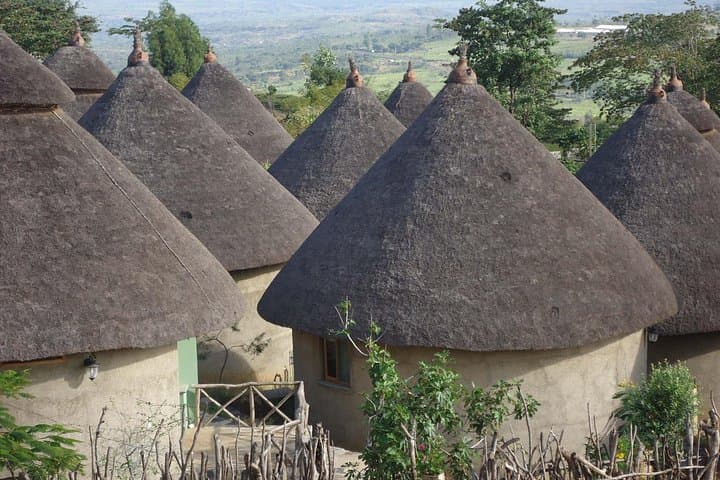
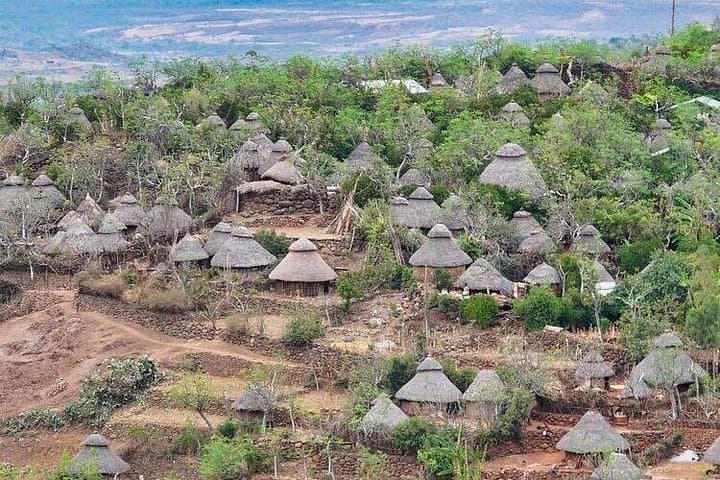
This six-day circuit threads Jinka, Turmi, Omo Rate and Konso, crossing Mago National Park and visiting Dorze hamlets on Guge Mountain. The Omo Valley is one of Africa’s most ethnically diverse regions — home to Hamar, Karo, Dassanech, Mursi and Konso peoples — and its geology is defined by the Omo River valley cut through volcanic highlands, creating a mix of floodplain, gallery forest and dry scrub that shapes livelihoods and ritual.
Travelers can expect long, dusty drives (daily transfers of 65–150 km), short cultural walks, canoe crossings and market stops timed to local market days (Mon/Tue/Thu/Sat). Encounters are intimate and observational: always ask before photographing, and honor payment customs when visiting villages. Morning light is best for portraits and river crossings; afternoons are when heat and insects intensify.
Practical preparation is straightforward: bring sturdy shoes for riverbank and rocky-walled village approaches, layered clothing for 1,800–2,400m altitude swings, cash in small bills for entrance and local purchases, plus a reusable water bottle and insect protection. Respectful curiosity and basic Hausa/Amharic greetings open many doors — and ensure your visit supports local guides and community-run lodges rather than intrusive tourism.
Routine vaccinations are recommended; consult a travel clinic for Yellow Fever, Hepatitis A/B and antimalarial advice and carry certified vaccination documentation if required.
Expect long drives on unpaved roads with dust and occasional washboard; air-conditioned vehicles are used but be prepared for bumpy segments and transfers of 1–3 hours between stops.
Visits are a mix: some communities sell souvenirs or ask for fees, but many exchanges are genuine cultural interactions facilitated by local guides—always follow local protocols and guides’ advice.
Solo travel is possible with an experienced, reputable operator and local guide; modest dress, respect for customs and traveling in daylight improve safety and reception.
Danakil Depression Tours operates guided outdoor trips and adventures with an emphasis on safety, stewardship, and memorable experiences.


Dust rises from the rutted road as the air-conditioned vehicle pushes south from Jinka toward Turmi, the Omo River like a dry promise on the horizon. Local markets unfurl in splashes of paint and beads; women arrange lip plates and feathers, men braid and anoint each other, and the valley's layers of language and tradition move with a deliberate, stubborn rhythm.
Dust rises from the rutted road as the air-conditioned vehicle pushes south from Jinka toward Turmi, the Omo River like a dry promise on the horizon. Local markets unfurl in splashes of paint and beads; women arrange lip plates and feathers, men braid and anoint each other, and the valley's layers of language and tradition move with a deliberate, stubborn rhythm.
This six-day circuit threads Jinka, Turmi, Omo Rate and Konso, crossing Mago National Park and visiting Dorze hamlets on Guge Mountain. The Omo Valley is one of Africa’s most ethnically diverse regions — home to Hamar, Karo, Dassanech, Mursi and Konso peoples — and its geology is defined by the Omo River valley cut through volcanic highlands, creating a mix of floodplain, gallery forest and dry scrub that shapes livelihoods and ritual.
Travelers can expect long, dusty drives (daily transfers of 65–150 km), short cultural walks, canoe crossings and market stops timed to local market days (Mon/Tue/Thu/Sat). Encounters are intimate and observational: always ask before photographing, and honor payment customs when visiting villages. Morning light is best for portraits and river crossings; afternoons are when heat and insects intensify.
Practical preparation is straightforward: bring sturdy shoes for riverbank and rocky-walled village approaches, layered clothing for 1,800–2,400m altitude swings, cash in small bills for entrance and local purchases, plus a reusable water bottle and insect protection. Respectful curiosity and basic Hausa/Amharic greetings open many doors — and ensure your visit supports local guides and community-run lodges rather than intrusive tourism.