
6-Day Omo Valley Cultural Tour — Tribes, Markets & Lake Chamo Wildlife
Spend six days exploring the Lower Omo Valley’s living cultures, markets and wildlife. This tour links Konso’s terraces, Turmi’s markets, Karo and Mursi villages, and a boat trip on Lake Chamo for hippos and crocodiles.
An Adventure In Jinka.
Spend six days exploring the Lower Omo Valley’s living cultures, markets and wildlife. This tour links Konso’s terraces, Turmi’s markets, Karo and Mursi villages, and a boat trip on Lake Chamo for hippos and crocodiles.
Read the full experience
Dust rises from the red earth as the driver threads a narrow piste toward Turmi, and the Omo River slides like a living line through the valley, daring you to get closer. Over six days you move between villages, riverbanks and highland terraces, watching painted faces, woven huts and market stalls rearrange the landscape like pages in a field guide.
Dust rises from the red earth as the driver threads a narrow piste toward Turmi, and the Omo River slides like a living line through the valley, daring you to get closer. Over six days you move between villages, riverbanks and highland terraces, watching painted faces, woven huts and market stalls rearrange the landscape like pages in a field guide.
This region is part of the Lower Omo Valley, an archaeological cradle where early humans once walked and where more than 40 languages persist. Konso’s fortified terraces, a UNESCO site, speak to centuries of engineered agriculture; the Mursi and Karo keep body-paint and lip-plate traditions that foreground ritual and identity. Geologically, the valley is a mix of alluvial plains carved by seasonal river pulses and volcanic highlands that rise toward the Guge slopes where Dorze villages cling to false-banana groves.
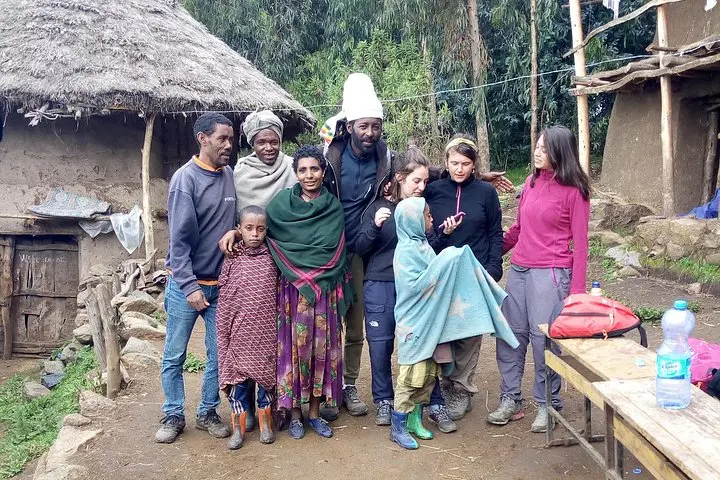
Expect long vehicle transfers, short guided walks, market crowds and intimate home visits where a coffee ceremony might be offered. Wildlife appears in the margins: hippos and crocodiles at Lake Chamo, banded birds along river reedbeds. Practicalities matter — roads are often unpaved, river levels change with the rains, and photography expectations should be negotiated with respect.
Bring layered clothing, sun protection and cash in small bills. Plan daylight travel to avoid unlit rural roads and allow flexibility for ceremonies or market days. A local guide unlocks language, protocols and hidden detours, turning a sequence of stops into a sustained cultural encounter. Travel here rewards patience: the valley does not reveal itself all at once but in patient, human-scaled scenes.
Frequently asked questions
Routine vaccinations are recommended; check for yellow fever requirements and consider hepatitis A and typhoid; consult a travel clinic well before departure.
Responsible tours arrange guided introductions and often ask permission; follow guide direction, offer modest gifts or purchases rather than handing cash directly.
Many transfers are on unpaved roads; expect dust, bumpy sections and multi-hour drives—plan for limited mobile signal and motion-sickness precautions.
The itinerary is gentle but includes long drives and basic facilities; discuss mobility and comfort needs with the operator before booking.
About This Experience
Access Eco Trekking Tours operates guided outdoor trips and adventures with an emphasis on safety, stewardship, and memorable experiences.
Adventure tips
Recommended gear
- Sturdy walking shoes: Support for uneven village paths and short hikes to viewpoints.
- Sun hat and sunscreen: Protects against intense equatorial sun during daytime excursions.
- Lightweight layers and a warm fleece: Nights and highland stops (Dorze) can be cool, especially December–February.
- Small-denomination cash and waterproof money pouch: Useful for market purchases, local fees and guides where cards aren’t accepted.
Photos of the experience
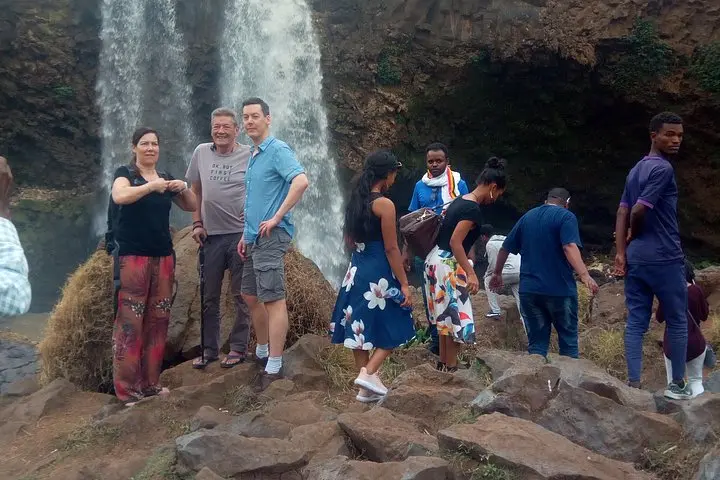
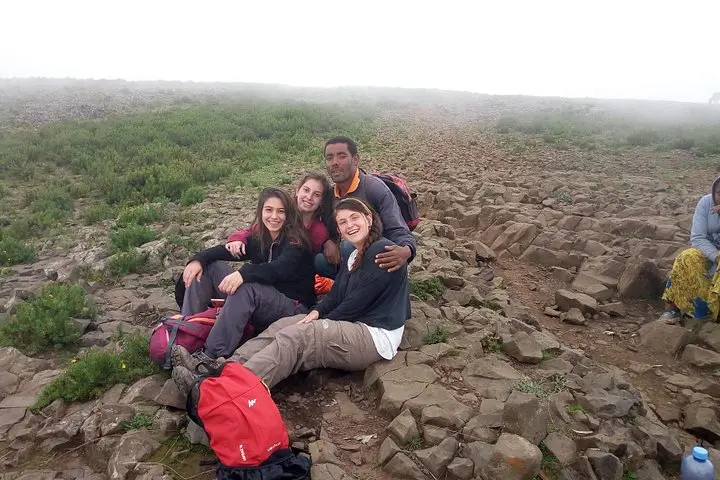
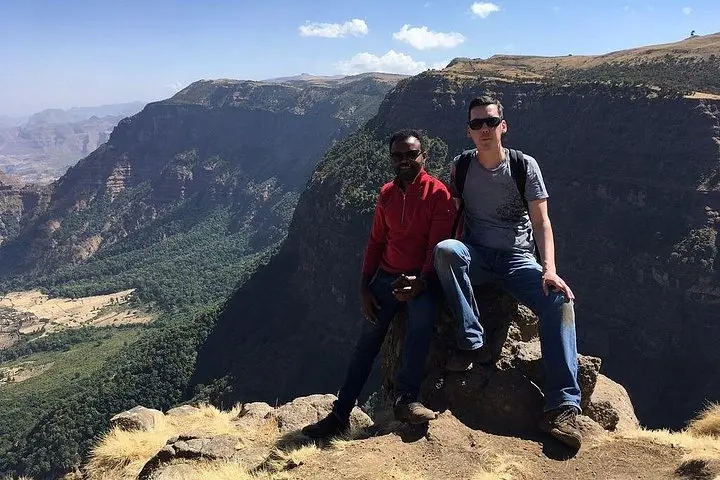
Related adventures & guides
Read the full experience
Dust rises from the red earth as the driver threads a narrow piste toward Turmi, and the Omo River slides like a living line through the valley, daring you to get closer. Over six days you move between villages, riverbanks and highland terraces, watching painted faces, woven huts and market stalls rearrange the landscape like pages in a field guide.
Dust rises from the red earth as the driver threads a narrow piste toward Turmi, and the Omo River slides like a living line through the valley, daring you to get closer. Over six days you move between villages, riverbanks and highland terraces, watching painted faces, woven huts and market stalls rearrange the landscape like pages in a field guide.
This region is part of the Lower Omo Valley, an archaeological cradle where early humans once walked and where more than 40 languages persist. Konso’s fortified terraces, a UNESCO site, speak to centuries of engineered agriculture; the Mursi and Karo keep body-paint and lip-plate traditions that foreground ritual and identity. Geologically, the valley is a mix of alluvial plains carved by seasonal river pulses and volcanic highlands that rise toward the Guge slopes where Dorze villages cling to false-banana groves.
Expect long vehicle transfers, short guided walks, market crowds and intimate home visits where a coffee ceremony might be offered. Wildlife appears in the margins: hippos and crocodiles at Lake Chamo, banded birds along river reedbeds. Practicalities matter — roads are often unpaved, river levels change with the rains, and photography expectations should be negotiated with respect.
Bring layered clothing, sun protection and cash in small bills. Plan daylight travel to avoid unlit rural roads and allow flexibility for ceremonies or market days. A local guide unlocks language, protocols and hidden detours, turning a sequence of stops into a sustained cultural encounter. Travel here rewards patience: the valley does not reveal itself all at once but in patient, human-scaled scenes.
Make a day of it nearby.
Verified experiences and guided adventures in the surrounding area.