THE ADVENTURE COLLECTIVE® · Independent discovery and booking for outdoor travel

Travel by private vehicle from Arba Minch into Ethiopia’s Lower Omo to meet Hamer, Karo, Konso and Dorze communities. This six-day tour pairs short walks and boat trips with market visits, cultural exchanges and wildlife viewing.
Travel by private vehicle from Arba Minch into Ethiopia’s Lower Omo to meet Hamer, Karo, Konso and Dorze communities. This six-day tour pairs short walks and boat trips with market visits, cultural exchanges and wildlife viewing.
You arrive in Arba Minch at dawn and the valley greets you with hot light and distant hills. The road south opens into wide, sun-baked plains punctuated by villages where painted bodies and braided hair are the local uniform. Riding in a private vehicle, you cross rivers and red dust to sit with elders on woven mats, watch night dances, and drift a boat past hippos on Lake Chamo.
Verified experiences and guided adventures in the surrounding area.
Operated by Ethio Target Tours · Arba Minch, Southern Nations, Nationalities, and Peoples' Region
You arrive in Arba Minch at dawn and the valley greets you with hot light and distant hills. The road south opens into wide, sun-baked plains punctuated by villages where painted bodies and braided hair are the local uniform. Riding in a private vehicle, you cross rivers and red dust to sit with elders on woven mats, watch night dances, and drift a boat past hippos on Lake Chamo.
The Lower Omo has been a crossroads of pastoral and agricultural cultures for centuries. Geologically, the valley is part of the East African Rift system: a mix of volcanic highlands, riverine corridors, and the fertile terraces of Konso — a cultural landscape recognized by UNESCO. The Hamer, Karo, Dorze and Konso people each use distinctive dress, body art and house forms that reflect climate, economy and lineage.
Expect multi-hour drives punctuated by short guided walks, market visits, and homestays or lodges. Interactions are respectful, often guided by a local interpreter; photography etiquette matters. Wildlife sightings include hippos and zebras at Nech Sar and Lake Chamo; birdlife is abundant along river edges.
Practical guide: carry refillable water, sun protection, and a lightweight daypack for village visits. Bring small denomination cash for entrance fees and local purchases, and dress modestly — shirts and long skirts or trousers are appropriate. Travel days vary; plan for early departures and dusty roads, and set expectations for simple lodging and culturally rich encounters.
Routine vaccinations are recommended; consult a travel clinic for yellow fever, typhoid and malaria prophylaxis well before travel.
Photography etiquette varies—always ask the village leader or your guide for permission, and offer a small tip when appropriate.
The itinerary is largely vehicle-based and listed as suitable for all fitness levels, but some riverbank and village surfaces are uneven—advise operator of mobility needs in advance.
Typical inclusions are accommodations, vehicle and driver, guide, some meals, bottled water during tours and entrance fees; check your booking for exact details.
Ethio Target Tours operates guided outdoor trips and adventures with an emphasis on safety, stewardship, and memorable experiences.
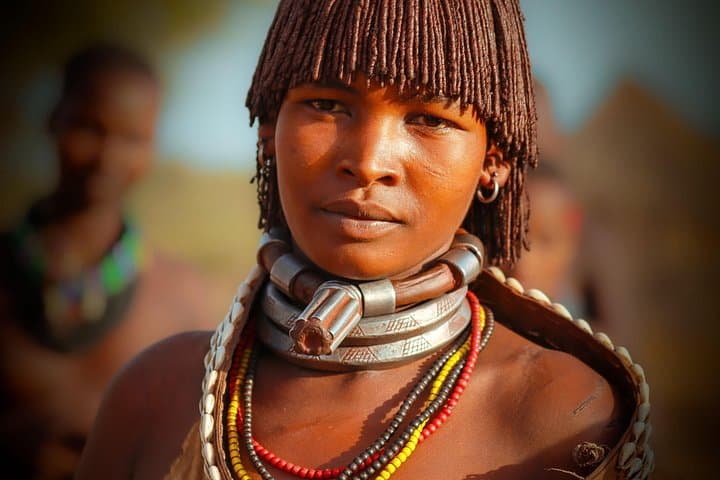
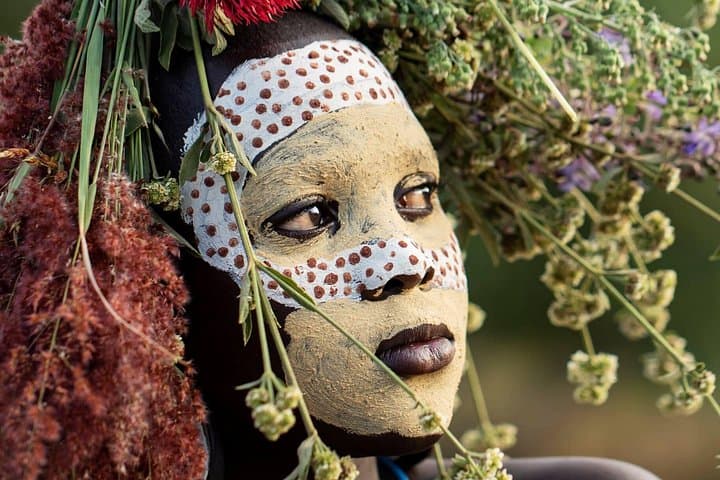
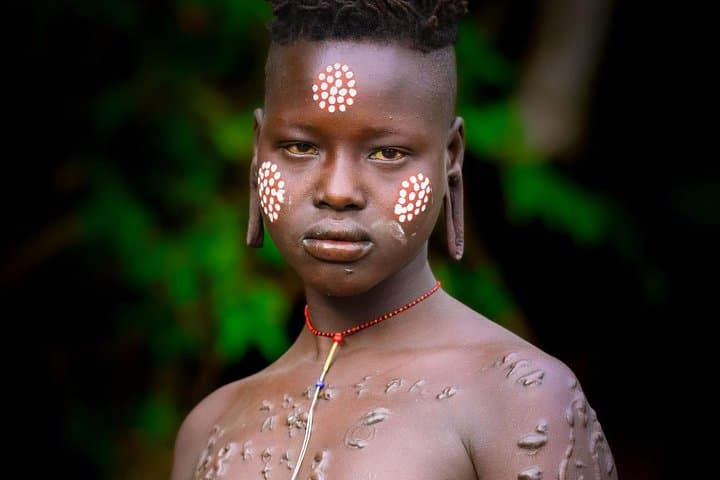
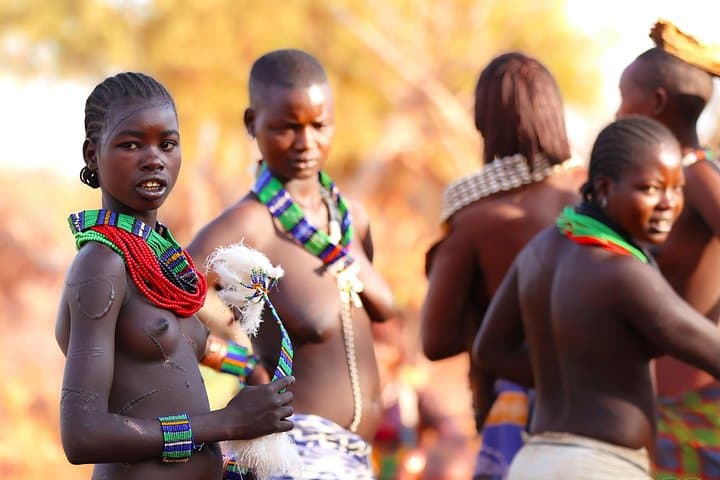
You arrive in Arba Minch at dawn and the valley greets you with hot light and distant hills. The road south opens into wide, sun-baked plains punctuated by villages where painted bodies and braided hair are the local uniform. Riding in a private vehicle, you cross rivers and red dust to sit with elders on woven mats, watch night dances, and drift a boat past hippos on Lake Chamo.
You arrive in Arba Minch at dawn and the valley greets you with hot light and distant hills. The road south opens into wide, sun-baked plains punctuated by villages where painted bodies and braided hair are the local uniform. Riding in a private vehicle, you cross rivers and red dust to sit with elders on woven mats, watch night dances, and drift a boat past hippos on Lake Chamo.
The Lower Omo has been a crossroads of pastoral and agricultural cultures for centuries. Geologically, the valley is part of the East African Rift system: a mix of volcanic highlands, riverine corridors, and the fertile terraces of Konso — a cultural landscape recognized by UNESCO. The Hamer, Karo, Dorze and Konso people each use distinctive dress, body art and house forms that reflect climate, economy and lineage.
Expect multi-hour drives punctuated by short guided walks, market visits, and homestays or lodges. Interactions are respectful, often guided by a local interpreter; photography etiquette matters. Wildlife sightings include hippos and zebras at Nech Sar and Lake Chamo; birdlife is abundant along river edges.
Practical guide: carry refillable water, sun protection, and a lightweight daypack for village visits. Bring small denomination cash for entrance fees and local purchases, and dress modestly — shirts and long skirts or trousers are appropriate. Travel days vary; plan for early departures and dusty roads, and set expectations for simple lodging and culturally rich encounters.