THE ADVENTURE COLLECTIVE® · Independent discovery and booking for outdoor travel

A six-day backcountry expedition through Costa Rica’s Osa Peninsula mixing river canyoning, overnight camping in Corcovado, Cano Island snorkeling and a Sierpe mangrove boat safari. Expect long jungle hikes, waterfall rappels and marine wildlife.
A six-day backcountry expedition through Costa Rica’s Osa Peninsula mixing river canyoning, overnight camping in Corcovado, Cano Island snorkeling and a Sierpe mangrove boat safari. Expect long jungle hikes, waterfall rappels and marine wildlife.
The smell of wet earth and salt hangs heavy as your boat slips out of Sierpe, mangrove roots reaching like fingers along the channel. By midmorning the motor hum fades and the rainforest rises—a wall of green where howler monkeys announce your arrival and rivers dare you to follow them inland.
Verified experiences and guided adventures in the surrounding area.
Operated by Sukia Travel · Drake Bay, Puntarenas
The smell of wet earth and salt hangs heavy as your boat slips out of Sierpe, mangrove roots reaching like fingers along the channel. By midmorning the motor hum fades and the rainforest rises—a wall of green where howler monkeys announce your arrival and rivers dare you to follow them inland.
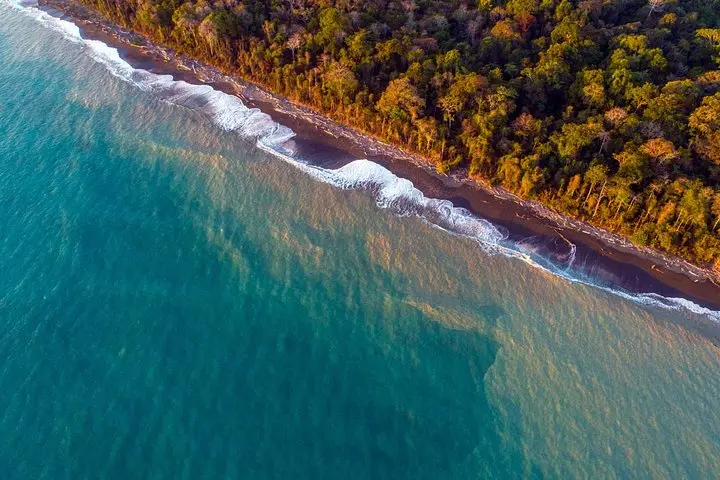
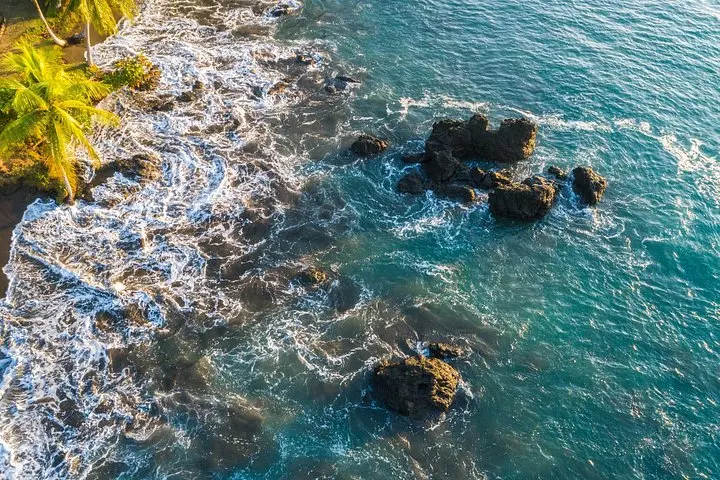
This six-day expedition moves from the tidal canals of Sierpe to Drake Bay, then into Corcovado’s primary forest and the remote beaches of Sirena and San Pedrillo. Geologically the Osa Peninsula is young volcanic terrain shaped by Pacific currents; black sand beaches and steep river canyons cut through old basalt and uplifted marine terraces. Corcovado’s history is one of sparse human settlement and conservation struggle—Ranger stations now protect one of the most biodiverse tracts in Central America.
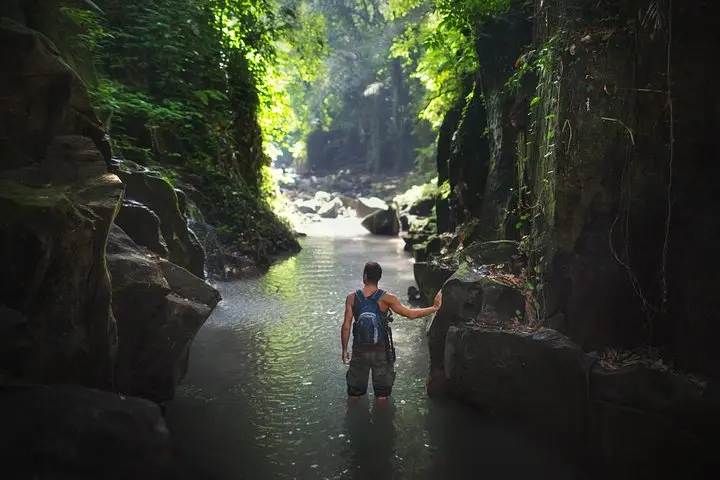
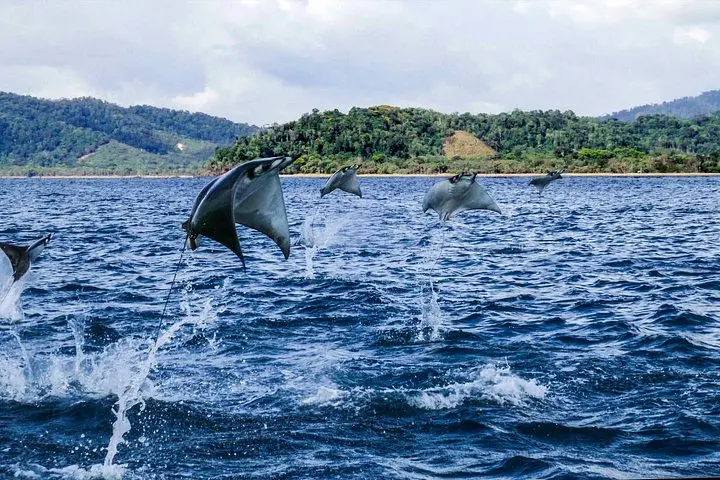
Expect wet, slippery trails, sudden river crossings and sections where guides clear trails with machetes. Nights in camp put you close to nocturnal life; days bring long hikes, canyoning through a series of waterfalls, and a full day snorkeling off Cano Island among turtles and rays. Culture here is low-key coastal—small lodges, local guides, and meals that lean on fresh fish and rice and beans.
Practical guidance: travel light but sturdy—waterproof pack, reliable footwear and a dry bag for electronics. Start each day early to avoid midday heat and maximize wildlife sightings. Hydrate frequently and be prepared for heavy rain even in the dry season. Guides provide safety gear for rappels and river sections; basic comfort with ropes, slippery rock, and swim ability are essential to fully enjoy the route.
This is a challenging multi-day trip with long hikes, canyoning, rappels and river crossings; a moderate-to-high fitness level and comfort with wet, slippery terrain are required.
The tour includes breakfasts (5), lunches (4) and dinners (2); accommodations range from ocean-view cabins in Drake Bay to tent camping inside Corcovado National Park.
Guides provide rubber boots, flashlights and typically the safety gear for canyoning and rappels—confirm at booking if you prefer to use your own helmet/harness.
December–April generally offers drier trails and more predictable weather; marine sightings are common year-round but whale season peaks mid-year to winter depending on species.
Sukia Travel operates guided outdoor trips and adventures with an emphasis on safety, stewardship, and memorable experiences.
The smell of wet earth and salt hangs heavy as your boat slips out of Sierpe, mangrove roots reaching like fingers along the channel. By midmorning the motor hum fades and the rainforest rises—a wall of green where howler monkeys announce your arrival and rivers dare you to follow them inland.
The smell of wet earth and salt hangs heavy as your boat slips out of Sierpe, mangrove roots reaching like fingers along the channel. By midmorning the motor hum fades and the rainforest rises—a wall of green where howler monkeys announce your arrival and rivers dare you to follow them inland.
This six-day expedition moves from the tidal canals of Sierpe to Drake Bay, then into Corcovado’s primary forest and the remote beaches of Sirena and San Pedrillo. Geologically the Osa Peninsula is young volcanic terrain shaped by Pacific currents; black sand beaches and steep river canyons cut through old basalt and uplifted marine terraces. Corcovado’s history is one of sparse human settlement and conservation struggle—Ranger stations now protect one of the most biodiverse tracts in Central America.
Expect wet, slippery trails, sudden river crossings and sections where guides clear trails with machetes. Nights in camp put you close to nocturnal life; days bring long hikes, canyoning through a series of waterfalls, and a full day snorkeling off Cano Island among turtles and rays. Culture here is low-key coastal—small lodges, local guides, and meals that lean on fresh fish and rice and beans.
Practical guidance: travel light but sturdy—waterproof pack, reliable footwear and a dry bag for electronics. Start each day early to avoid midday heat and maximize wildlife sightings. Hydrate frequently and be prepared for heavy rain even in the dry season. Guides provide safety gear for rappels and river sections; basic comfort with ropes, slippery rock, and swim ability are essential to fully enjoy the route.