THE ADVENTURE COLLECTIVE® · Independent discovery and booking for outdoor travel

Walk from Sundarijal to Chisapani, greet the Himalaya at Nagarkot and finish on the ridges of Dhulikhel. This six-day yoga trek mixes early-morning practice with sustained ridge walking and village hospitality for an accessible Himalayan primer.
Walk from Sundarijal to Chisapani, greet the Himalaya at Nagarkot and finish on the ridges of Dhulikhel. This six-day yoga trek mixes early-morning practice with sustained ridge walking and village hospitality for an accessible Himalayan primer.
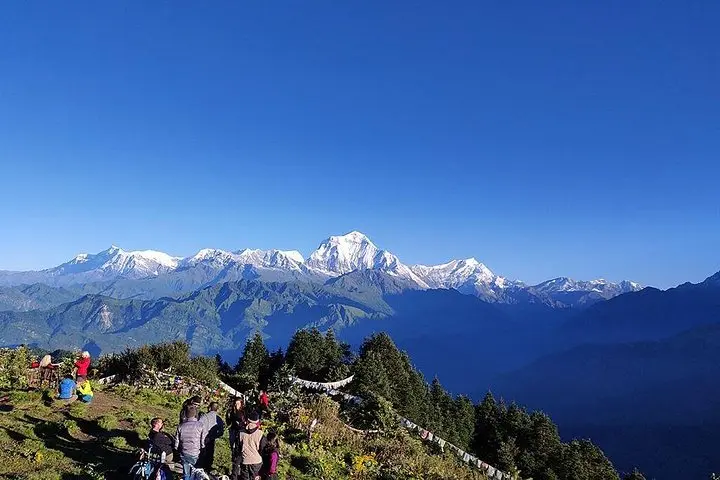
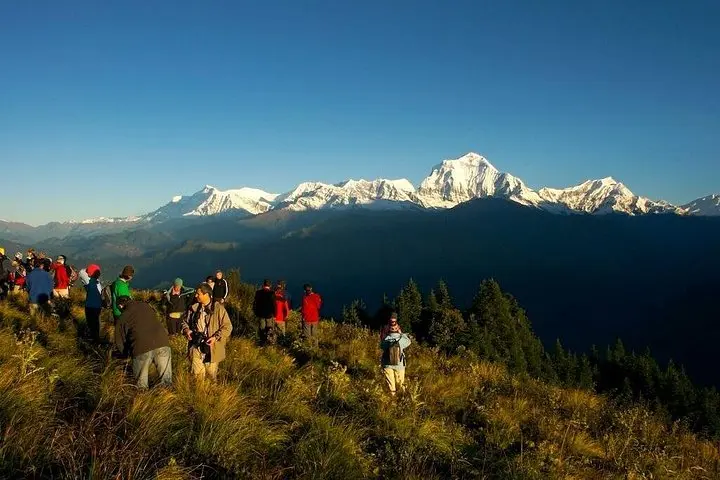
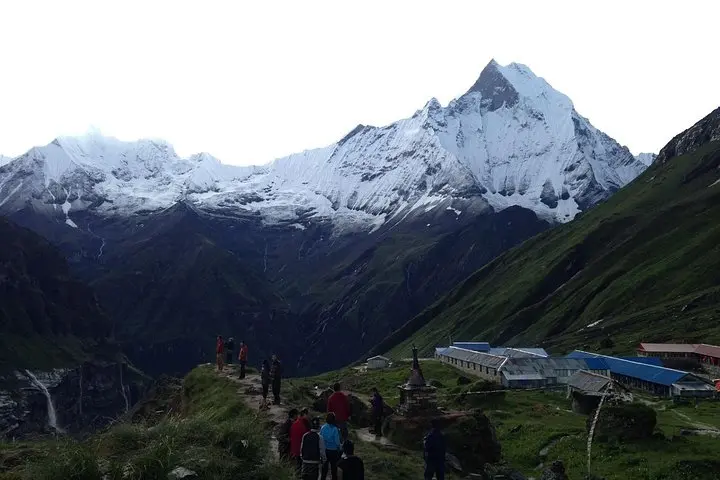
The morning opens with cold air that stings your face and a ribbon of cloud-sliced peaks that refuse to stay hidden. You inhale and the valley answers — children's voices from a distant settlement, cocks announcing daybreak, prayer flags snapping. This is not a luxury retreat; it’s a walking rhythm broken by short yoga sessions, evening meditation and the sort of Himalayan silence that makes every footstep sound important.
Verified experiences and guided adventures in the surrounding area.
Operated by Om Holidays Tour and Trek Private Limited. · Kathmandu, Bagmati Province
The morning opens with cold air that stings your face and a ribbon of cloud-sliced peaks that refuse to stay hidden. You inhale and the valley answers — children's voices from a distant settlement, cocks announcing daybreak, prayer flags snapping. This is not a luxury retreat; it’s a walking rhythm broken by short yoga sessions, evening meditation and the sort of Himalayan silence that makes every footstep sound important.
The route threads Sundarijal’s shaded streams up to Chisapani, then climbs the broad ridgeline toward Nagarkot before angling south to the viewpoint town of Dhulikhel. Geologically the corridor sits on the lower flanks of the Lesser Himalaya: weathered schists and narrow ridgelines shaped by millennia of monsoon and frost. Human history is layered here too — Newar villages, ancient shrines like Changunarayan to the west, and terraced fields that read like a local ledger of agricultural practice. Expect to pass Brahmin, Gurung and Sherpa households and to notice how daily life still orbits the sun and the seasons rather than strict schedules.
Practically, this is accessible trekking rather than technical mountaineering. Most days are 4–7 hours of walking on packed dirt, stone steps and village lanes; the highest regular stop is Nagarkot at roughly 2,175 m. Trails climb steadily from Sundarijal (near Kathmandu’s rim) toward forested gullies in Shivapuri National Park, with clear viewpoints where the Himalaya arranges itself into eight visible ranges on good days.
What you’ll take away: regular yoga mornings that prime tired legs, sunrise that can include Everest on the horizon, and close encounters with villagers who treat hospitality as routine. The itinerary blends early-morning sun salutations with practical sections of trekking and short drives back to Kathmandu at the end.
Planning pointers: bring a lightweight, non-slip yoga mat for lodges that sometimes only offer thin foam; pack layers because days warm quickly but evenings chill; and budget for 10–15 km walking days and 400–600 m of elevation gain on uphill segments. Hydration matters — water sources are available but treat or filter when in doubt. And while the altitudes here rarely cause serious issues, move steadily, sleep well, and let the first day be an easy warm-up.
For photographers, dawn and dusk reward patience; for travelers, the local tea stops and guesthouse kitchens offer the best conversations. This is an immersive, small-group trek that privileges pace and presence: you’ll come back with clearer lungs, a quieter mind and a stack of mountain memories that barely fit in your camera roll.
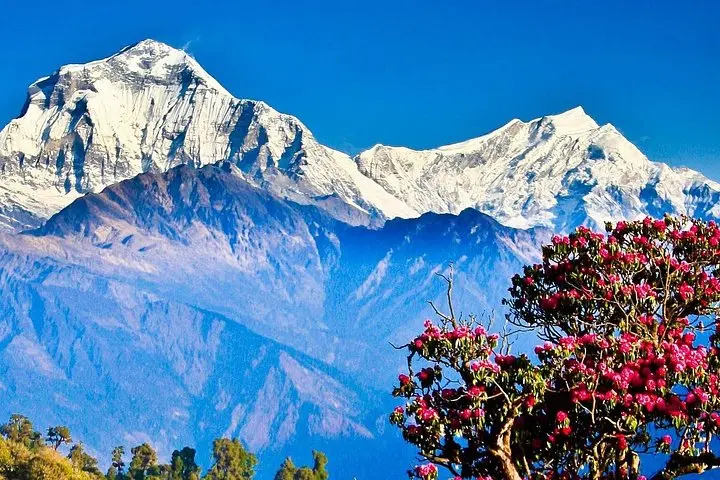
October–December and March–April offer the clearest mountain views and stable weather; spring brings rhododendron bloom and autumn gives crisp visibility.
Expect 4–7 hours of walking on most days with mixed ascents and descents; routes are non-technical but require steady stamina.
No special permits are needed for the basic Sundarijal–Nagarkot–Dhulikhel corridor, though entry rules for Shivapuri National Park can require a nominal fee at trailheads.
Basic cell coverage is common near villages; lodges typically provide electricity but outages are possible, so bring a power bank.
Accommodations are guesthouses and small hotels — comfortable and clean but not luxury; rooms may have shared bathrooms in some places.
Altitudes here (up to ~2,175 m) are low risk for severe altitude sickness; still pace yourself, hydrate, and rest if you feel unwell.
Om Holidays Tour and Trek Private Limited. operates guided outdoor trips and adventures with an emphasis on safety, stewardship, and memorable experiences.
The morning opens with cold air that stings your face and a ribbon of cloud-sliced peaks that refuse to stay hidden. You inhale and the valley answers — children's voices from a distant settlement, cocks announcing daybreak, prayer flags snapping. This is not a luxury retreat; it’s a walking rhythm broken by short yoga sessions, evening meditation and the sort of Himalayan silence that makes every footstep sound important.
The morning opens with cold air that stings your face and a ribbon of cloud-sliced peaks that refuse to stay hidden. You inhale and the valley answers — children's voices from a distant settlement, cocks announcing daybreak, prayer flags snapping. This is not a luxury retreat; it’s a walking rhythm broken by short yoga sessions, evening meditation and the sort of Himalayan silence that makes every footstep sound important.
The route threads Sundarijal’s shaded streams up to Chisapani, then climbs the broad ridgeline toward Nagarkot before angling south to the viewpoint town of Dhulikhel. Geologically the corridor sits on the lower flanks of the Lesser Himalaya: weathered schists and narrow ridgelines shaped by millennia of monsoon and frost. Human history is layered here too — Newar villages, ancient shrines like Changunarayan to the west, and terraced fields that read like a local ledger of agricultural practice. Expect to pass Brahmin, Gurung and Sherpa households and to notice how daily life still orbits the sun and the seasons rather than strict schedules.
Practically, this is accessible trekking rather than technical mountaineering. Most days are 4–7 hours of walking on packed dirt, stone steps and village lanes; the highest regular stop is Nagarkot at roughly 2,175 m. Trails climb steadily from Sundarijal (near Kathmandu’s rim) toward forested gullies in Shivapuri National Park, with clear viewpoints where the Himalaya arranges itself into eight visible ranges on good days.
What you’ll take away: regular yoga mornings that prime tired legs, sunrise that can include Everest on the horizon, and close encounters with villagers who treat hospitality as routine. The itinerary blends early-morning sun salutations with practical sections of trekking and short drives back to Kathmandu at the end.
Planning pointers: bring a lightweight, non-slip yoga mat for lodges that sometimes only offer thin foam; pack layers because days warm quickly but evenings chill; and budget for 10–15 km walking days and 400–600 m of elevation gain on uphill segments. Hydration matters — water sources are available but treat or filter when in doubt. And while the altitudes here rarely cause serious issues, move steadily, sleep well, and let the first day be an easy warm-up.
For photographers, dawn and dusk reward patience; for travelers, the local tea stops and guesthouse kitchens offer the best conversations. This is an immersive, small-group trek that privileges pace and presence: you’ll come back with clearer lungs, a quieter mind and a stack of mountain memories that barely fit in your camera roll.