THE ADVENTURE COLLECTIVE® · Independent discovery and booking for outdoor travel

A compact six-day route that pairs Phnom Penh’s colonial and modern history with Siem Reap’s Angkor temple complex and a Tonle Sap boat trip. Expect long days of walking over uneven sandstone, cultural depth and humid tropical heat.
A compact six-day route that pairs Phnom Penh’s colonial and modern history with Siem Reap’s Angkor temple complex and a Tonle Sap boat trip. Expect long days of walking over uneven sandstone, cultural depth and humid tropical heat.
You step off the air-conditioned van into a heat that carries centuries—Phnom Penh’s broad avenues lined with faded French villas and the staccato clatter of motorbikes. Days later the jungle gives way to the stone faces of Angkor, where roots have learned to hold walls together and a river of carved lingams whispers underfoot.
Verified experiences and guided adventures in the surrounding area.
Operated by Asia Travel Links · Siem Reap, Siem Reap Province
You step off the air-conditioned van into a heat that carries centuries—Phnom Penh’s broad avenues lined with faded French villas and the staccato clatter of motorbikes. Days later the jungle gives way to the stone faces of Angkor, where roots have learned to hold walls together and a river of carved lingams whispers underfoot.
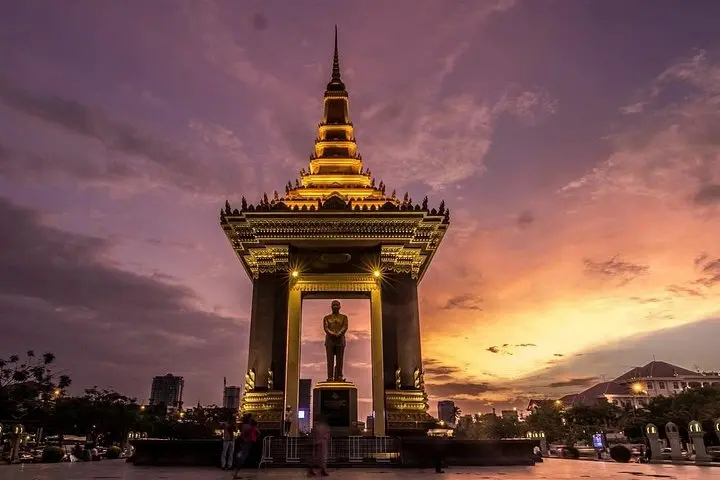
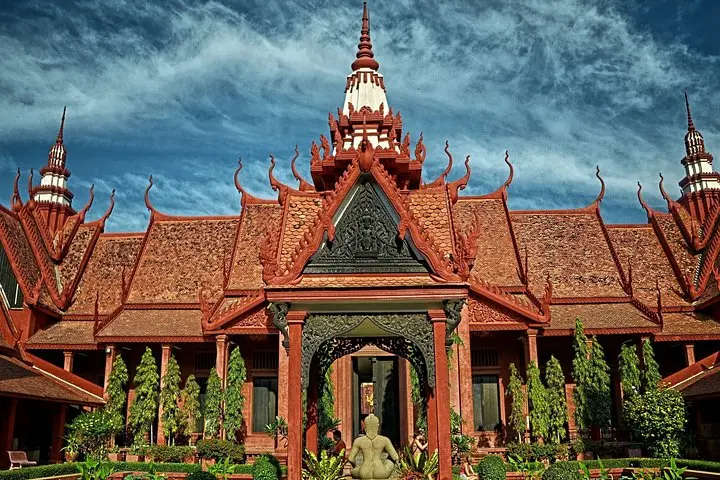
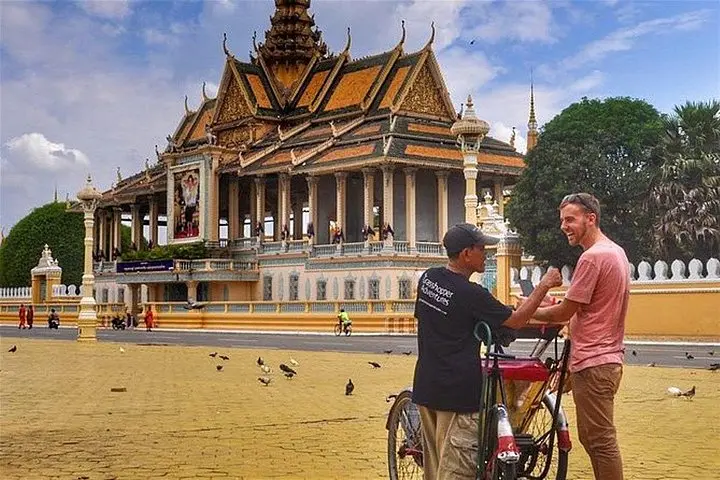
This six-day itinerary stitches together Cambodia’s modern capital and the great sweep of the Angkorian heartland. In Phnom Penh, the Royal Palace, Silver Pagoda and the National Museum reflect the country’s royal and colonial chapters; darker pages appear at Tuol Sleng and the Killing Fields, essential for context. In Siem Reap, Angkor Wat, Bayon, Ta Prohm and Banteay Srei reveal Khmer engineering and sandstone sculptural finesse from the 9th–13th centuries. Kbal Spean’s riverbed carvings and the floating villages on Tonle Sap show how geology and water shaped ritual, agriculture and everyday life.
Practically: expect uneven sandstone, dusty paths and strong sun—comfortable walking shoes with good grip are vital. Angkor Passes are required for temple access; mornings and late afternoons are coolest and least crowded. Boat rides on Tonle Sap expose you to seasonal water-level swings; carry a dry bag and stay alert for tides and local boat traffic. The trip includes mid-range hotels, most meals, an English-speaking guide and transfers by air-conditioned vehicle, but bring patience for local pace and traffic.
Timing your visits around sunrise/sunset and staying hydrated will let you experience both the majesty and the human stories behind these ruins.
Most nationalities can obtain a tourist visa on arrival or e‑visa in advance—check current embassy guidance for requirements and passport validity.
Entrance fees are listed as included where specified; verify at booking whether required Angkor Passes are covered or to be purchased on arrival.
Temple days involve several hours of walking on uneven stone and climbing steps—moderate stamina is recommended and frequent rest breaks are common.
Yes—water levels vary widely with the monsoon; boats operate year-round but village layouts and access change with the season.
Asia Travel Links operates guided outdoor trips and adventures with an emphasis on safety, stewardship, and memorable experiences.
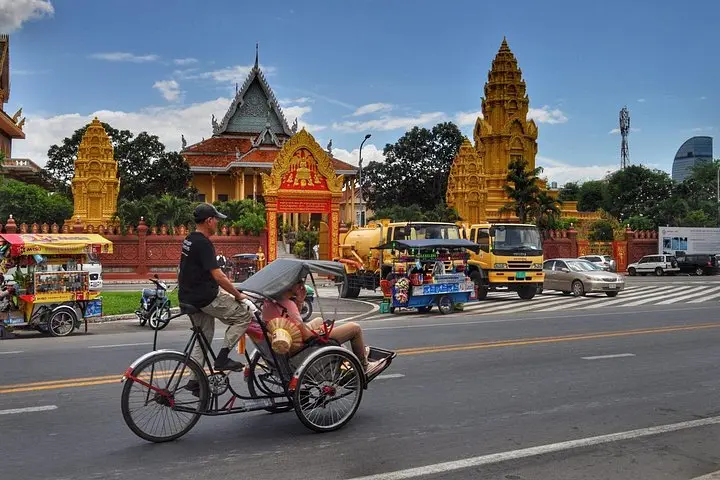
You step off the air-conditioned van into a heat that carries centuries—Phnom Penh’s broad avenues lined with faded French villas and the staccato clatter of motorbikes. Days later the jungle gives way to the stone faces of Angkor, where roots have learned to hold walls together and a river of carved lingams whispers underfoot.
You step off the air-conditioned van into a heat that carries centuries—Phnom Penh’s broad avenues lined with faded French villas and the staccato clatter of motorbikes. Days later the jungle gives way to the stone faces of Angkor, where roots have learned to hold walls together and a river of carved lingams whispers underfoot.
This six-day itinerary stitches together Cambodia’s modern capital and the great sweep of the Angkorian heartland. In Phnom Penh, the Royal Palace, Silver Pagoda and the National Museum reflect the country’s royal and colonial chapters; darker pages appear at Tuol Sleng and the Killing Fields, essential for context. In Siem Reap, Angkor Wat, Bayon, Ta Prohm and Banteay Srei reveal Khmer engineering and sandstone sculptural finesse from the 9th–13th centuries. Kbal Spean’s riverbed carvings and the floating villages on Tonle Sap show how geology and water shaped ritual, agriculture and everyday life.
Practically: expect uneven sandstone, dusty paths and strong sun—comfortable walking shoes with good grip are vital. Angkor Passes are required for temple access; mornings and late afternoons are coolest and least crowded. Boat rides on Tonle Sap expose you to seasonal water-level swings; carry a dry bag and stay alert for tides and local boat traffic. The trip includes mid-range hotels, most meals, an English-speaking guide and transfers by air-conditioned vehicle, but bring patience for local pace and traffic.
Timing your visits around sunrise/sunset and staying hydrated will let you experience both the majesty and the human stories behind these ruins.