THE ADVENTURE COLLECTIVE® · Independent discovery and booking for outdoor travel

Trace Cambodia’s layered history from Phnom Penh’s colonial boulevards and Khmer Rouge sites to the temple plains of Angkor and the floating villages of Tonle Sap. This six-day tour blends cultural depth with practical pacing for first-time explorers.
Trace Cambodia’s layered history from Phnom Penh’s colonial boulevards and Khmer Rouge sites to the temple plains of Angkor and the floating villages of Tonle Sap. This six-day tour blends cultural depth with practical pacing for first-time explorers.
You step off the air-conditioned van into Phnom Penh’s humid morning, where broad boulevards and French colonial facades meet the constant, patient flow of the Mekong. The city moves with purpose: market vendors call, tuk-tuk drivers hustle, and the Independence Monument watches the roundabouts.
Verified experiences and guided adventures in the surrounding area.
Operated by Asia Travel Links · Siem Reap, Siem Reap Province
You step off the air-conditioned van into Phnom Penh’s humid morning, where broad boulevards and French colonial facades meet the constant, patient flow of the Mekong. The city moves with purpose: market vendors call, tuk-tuk drivers hustle, and the Independence Monument watches the roundabouts.
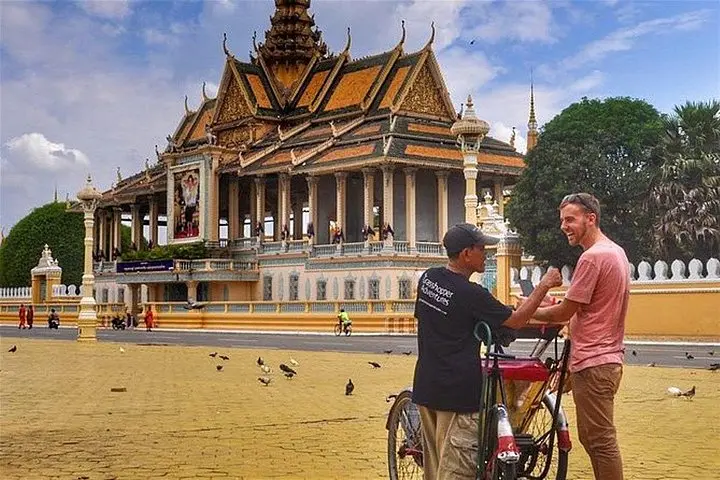
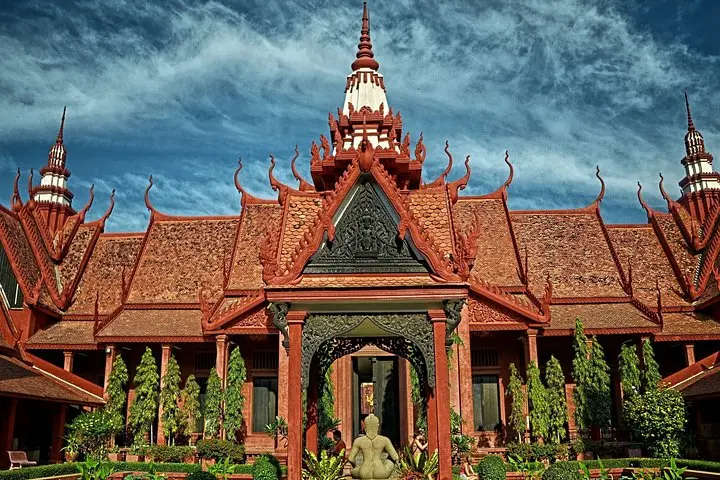
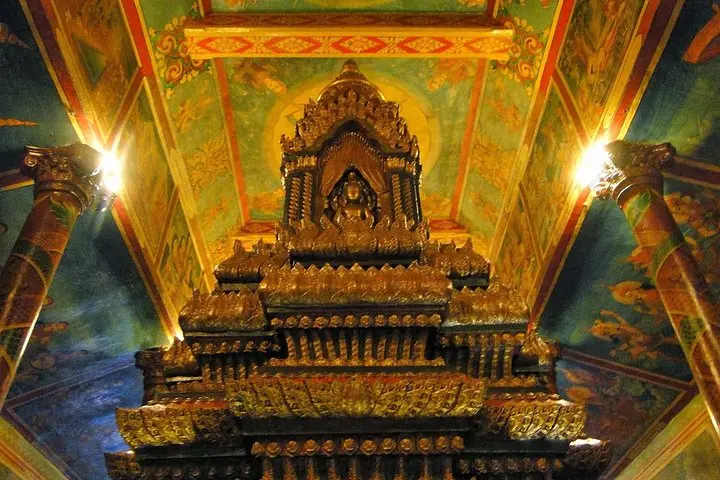
This six-day route pairs Phnom Penh’s modern colonial history and difficult 1970s legacy with the ancient Khmer heart around Siem Reap. In Phnom Penh, visits to the Royal Palace, Silver Pagoda and the sobering Tuol Sleng and Choeung Ek sites frame Cambodia’s recent past. Northward, the Angkor complex—Angkor Wat’s 12th-century towers, Ta Prohm’s tree-root architecture and the stone faces of Bayon—illustrate Khmer engineering and cosmology carved in sandstone.
Geologically, the region rests on Tonle Sap’s seasonal pulse: the great lake swells and retreats, creating floating villages and a dynamic freshwater ecosystem that sustains local fishing communities. Culturally, evening Apsara performances and rural craft workshops reveal living traditions alongside UNESCO-listed ruins.
Expect full days of walking on uneven stone and packed-earth paths, short boat rides on Tonle Sap, and city drives between sites. Practicalities matter: start early to avoid heat and crowds, carry water and sun protection, and budget time for immigration or entry queues. Guides typically include entrance fees and several meals; bring small local currency for markets and tipping. For travelers who want a softer finish, ask about optional beach extensions—many itineraries can be extended south to the coast.
The tour notes indicate entrance fees are included “as mentioned in the program,” but confirm with the operator at booking which specific passes are covered.
The itinerary is graded easy and family-friendly, but some sites have many steps and uneven surfaces—notify the operator about mobility needs.
Most nationalities require a visa for Cambodia; e‑visa options are available online and should be checked before travel.
Local wooden boats are stable for short trips—bring a dry bag and request life jackets if needed; follow the guide’s safety briefing.
Asia Travel Links operates guided outdoor trips and adventures with an emphasis on safety, stewardship, and memorable experiences.
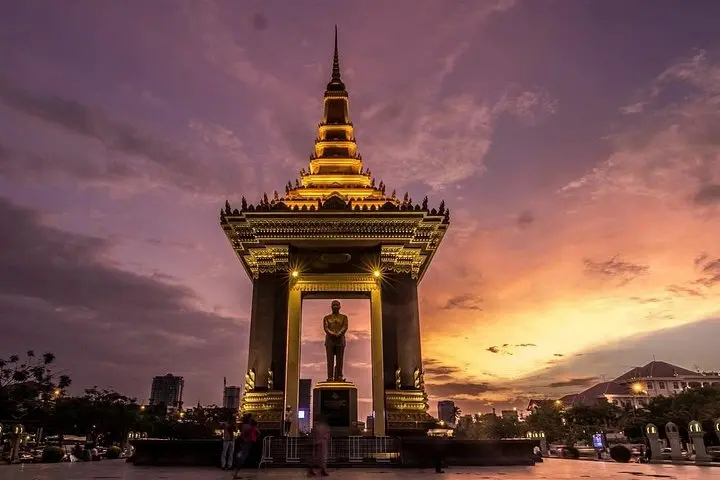
You step off the air-conditioned van into Phnom Penh’s humid morning, where broad boulevards and French colonial facades meet the constant, patient flow of the Mekong. The city moves with purpose: market vendors call, tuk-tuk drivers hustle, and the Independence Monument watches the roundabouts.
You step off the air-conditioned van into Phnom Penh’s humid morning, where broad boulevards and French colonial facades meet the constant, patient flow of the Mekong. The city moves with purpose: market vendors call, tuk-tuk drivers hustle, and the Independence Monument watches the roundabouts.
This six-day route pairs Phnom Penh’s modern colonial history and difficult 1970s legacy with the ancient Khmer heart around Siem Reap. In Phnom Penh, visits to the Royal Palace, Silver Pagoda and the sobering Tuol Sleng and Choeung Ek sites frame Cambodia’s recent past. Northward, the Angkor complex—Angkor Wat’s 12th-century towers, Ta Prohm’s tree-root architecture and the stone faces of Bayon—illustrate Khmer engineering and cosmology carved in sandstone.
Geologically, the region rests on Tonle Sap’s seasonal pulse: the great lake swells and retreats, creating floating villages and a dynamic freshwater ecosystem that sustains local fishing communities. Culturally, evening Apsara performances and rural craft workshops reveal living traditions alongside UNESCO-listed ruins.
Expect full days of walking on uneven stone and packed-earth paths, short boat rides on Tonle Sap, and city drives between sites. Practicalities matter: start early to avoid heat and crowds, carry water and sun protection, and budget time for immigration or entry queues. Guides typically include entrance fees and several meals; bring small local currency for markets and tipping. For travelers who want a softer finish, ask about optional beach extensions—many itineraries can be extended south to the coast.