THE ADVENTURE COLLECTIVE® · Independent discovery and booking for outdoor travel

Explore Morocco’s imperial quartet on a private 6-day loop from Casablanca to Marrakech, stopping in Rabat and Fes for gardens, medersas, and souk life. This guided tour blends easy-paced sightseeing with authentic cultural encounters and private transport for efficient travel between cities.
Explore Morocco’s imperial quartet on a private 6-day loop from Casablanca to Marrakech, stopping in Rabat and Fes for gardens, medersas, and souk life. This guided tour blends easy-paced sightseeing with authentic cultural encounters and private transport for efficient travel between cities.
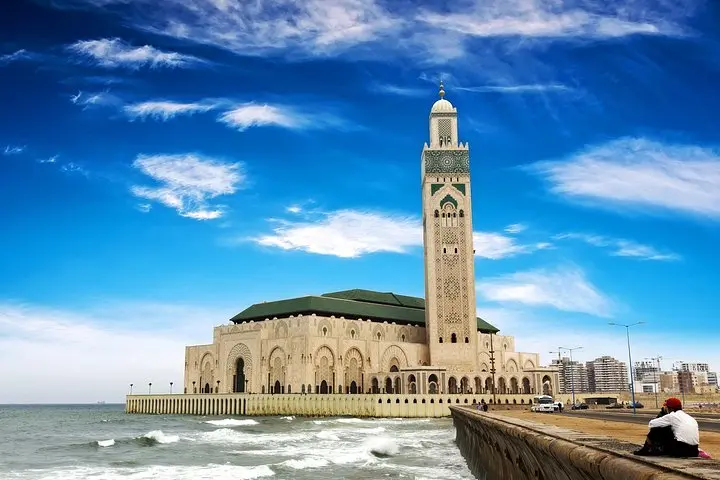
You step out of Mohamed V airport into the pale Atlantic light of Casablanca and immediately the city asserts itself — the surf at Ain Diab daring you to linger while the minaret of Hassan II Mosque carves a vertical line against the sky.
Verified experiences and guided adventures in the surrounding area.
Operated by Miki Travel Asia · Casablanca, Grand Casablanca-Settat
You step out of Mohamed V airport into the pale Atlantic light of Casablanca and immediately the city asserts itself — the surf at Ain Diab daring you to linger while the minaret of Hassan II Mosque carves a vertical line against the sky.
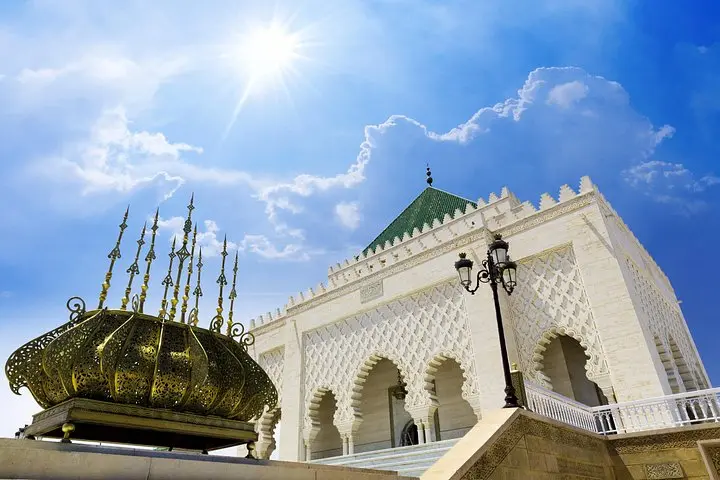
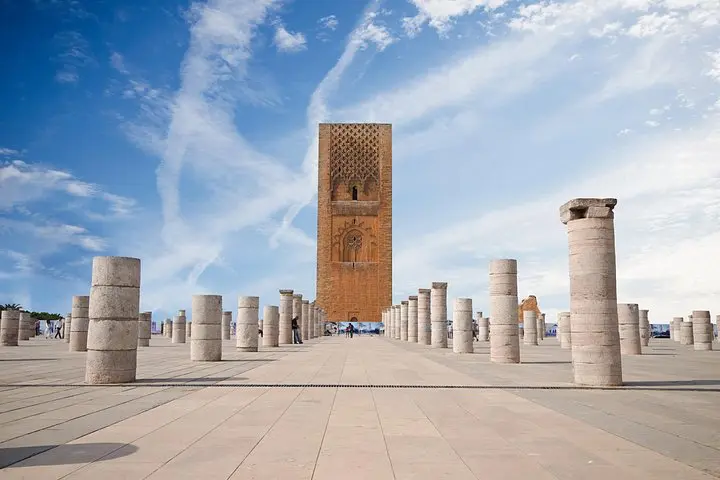
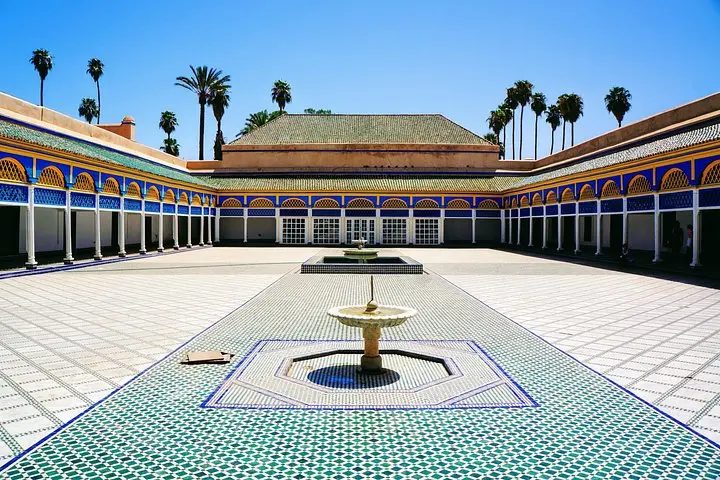
Over six days this private loop threads Morocco’s four imperial cities: Casablanca’s modern coast, Rabat’s courtyarded calm, Fes’s maze of leather and learning, and Marrakech’s spice-scented plazas. The itinerary moves deliberately: photostops at Hassan II, the Oudayas garden and Hassan Tower in Rabat, a deep day in Fes with Medersa Bou Inania and the Chouara Tanneries, then a highway run to Marrakech with the Koutoubia, Bahia Palace, and Jemaa el-Fna.
Geology and history press close here — red ochre walls in Marrakech recall the iron-rich soils of the plains, while Fes grew where trade routes funneled ideas and crafts. Culture is tactile: artisans at work in souks, leather steeped in centuries-old vats, and the cadence of the call to prayer marking day’s rhythm.
Practical guidance: this is a low-impact, easy-pace tour suitable for most travelers but expect cobbled streets and narrow alleys — supportive footwear is essential. Carry Moroccan dirhams for markets, layer for cool mornings and warm afternoons, and plan visits to major sites early to avoid crowds. Stay hydrated; smaller shops and rooftop cafés offer calmer vantage points of the medinas. With a local English-speaking guide and private transport, the trip balances immersive city-time with straightforward logistics — a compact primer to Morocco’s imperial spine.
The tour notes entrance to Medersa Bou Inania and Bahia Palace are included; check with the operator for any optional site fees.
Yes — the itinerary is rated easy and private transport reduces strain, though visitors should be comfortable walking on uneven surfaces.
Moroccan dirham (MAD) is used locally; credit cards work at larger hotels and malls, but cash is preferred in souks and small restaurants.
Daily breakfasts are included; other meals are generally at your expense, allowing flexibility to sample local cuisine.
Miki Travel Asia operates guided outdoor trips and adventures with an emphasis on safety, stewardship, and memorable experiences.
You step out of Mohamed V airport into the pale Atlantic light of Casablanca and immediately the city asserts itself — the surf at Ain Diab daring you to linger while the minaret of Hassan II Mosque carves a vertical line against the sky.
You step out of Mohamed V airport into the pale Atlantic light of Casablanca and immediately the city asserts itself — the surf at Ain Diab daring you to linger while the minaret of Hassan II Mosque carves a vertical line against the sky.
Over six days this private loop threads Morocco’s four imperial cities: Casablanca’s modern coast, Rabat’s courtyarded calm, Fes’s maze of leather and learning, and Marrakech’s spice-scented plazas. The itinerary moves deliberately: photostops at Hassan II, the Oudayas garden and Hassan Tower in Rabat, a deep day in Fes with Medersa Bou Inania and the Chouara Tanneries, then a highway run to Marrakech with the Koutoubia, Bahia Palace, and Jemaa el-Fna.
Geology and history press close here — red ochre walls in Marrakech recall the iron-rich soils of the plains, while Fes grew where trade routes funneled ideas and crafts. Culture is tactile: artisans at work in souks, leather steeped in centuries-old vats, and the cadence of the call to prayer marking day’s rhythm.
Practical guidance: this is a low-impact, easy-pace tour suitable for most travelers but expect cobbled streets and narrow alleys — supportive footwear is essential. Carry Moroccan dirhams for markets, layer for cool mornings and warm afternoons, and plan visits to major sites early to avoid crowds. Stay hydrated; smaller shops and rooftop cafés offer calmer vantage points of the medinas. With a local English-speaking guide and private transport, the trip balances immersive city-time with straightforward logistics — a compact primer to Morocco’s imperial spine.