THE ADVENTURE COLLECTIVE® · Independent discovery and booking for outdoor travel

A private, six-day circuit through Jordan that pairs Petra’s rose-red architecture with the silence of Wadi Rum and the buoyant waters of the Dead Sea. This customizable itinerary blends history, landscapes and comfortable logistics for an efficient introduction to the Kingdom.
A private, six-day circuit through Jordan that pairs Petra’s rose-red architecture with the silence of Wadi Rum and the buoyant waters of the Dead Sea. This customizable itinerary blends history, landscapes and comfortable logistics for an efficient introduction to the Kingdom.
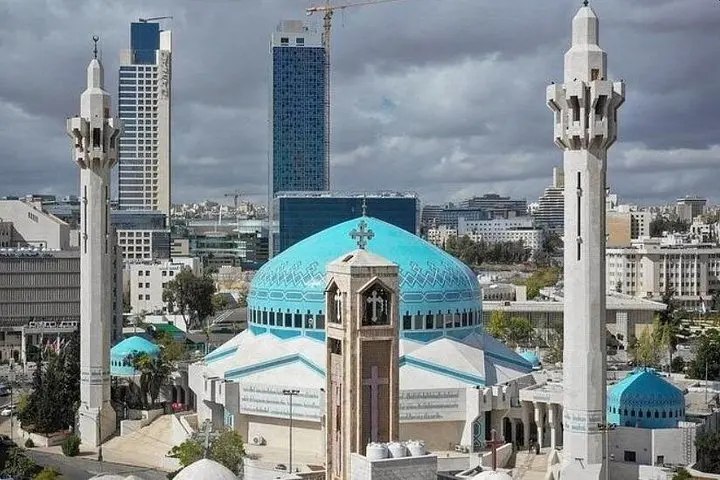
You step off the shuttle into Amman’s warm dusk and the driver waves a small placard with your name. That first evening tastes of strong coffee and cardamom; the city sprawls up ochre hills and past illuminated minarets. Over six days the country unfolds like a layered map: Roman theaters in Amman, a mosaic city in Madaba, the biblical promontory of Mount Nebo, the rose-red canyons of Petra, the lunar silence of Wadi Rum and finally the impossibly buoyant Dead Sea.
Verified experiences and guided adventures in the surrounding area.
Operated by VIP Jordan Limo · Amman, Amman Governorate
You step off the shuttle into Amman’s warm dusk and the driver waves a small placard with your name. That first evening tastes of strong coffee and cardamom; the city sprawls up ochre hills and past illuminated minarets. Over six days the country unfolds like a layered map: Roman theaters in Amman, a mosaic city in Madaba, the biblical promontory of Mount Nebo, the rose-red canyons of Petra, the lunar silence of Wadi Rum and finally the impossibly buoyant Dead Sea.
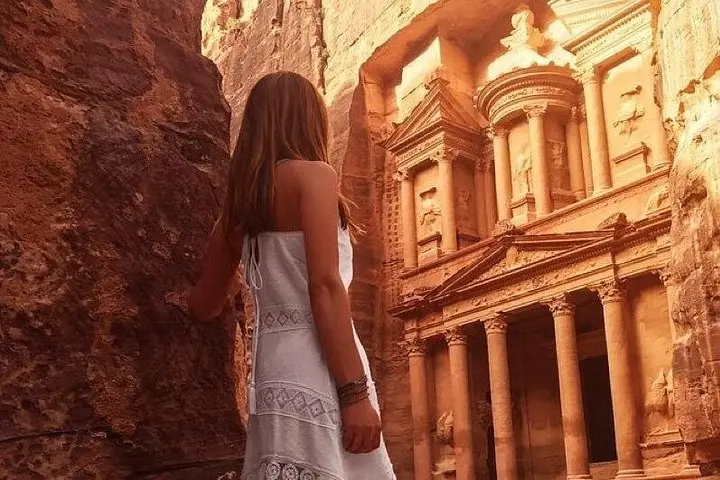
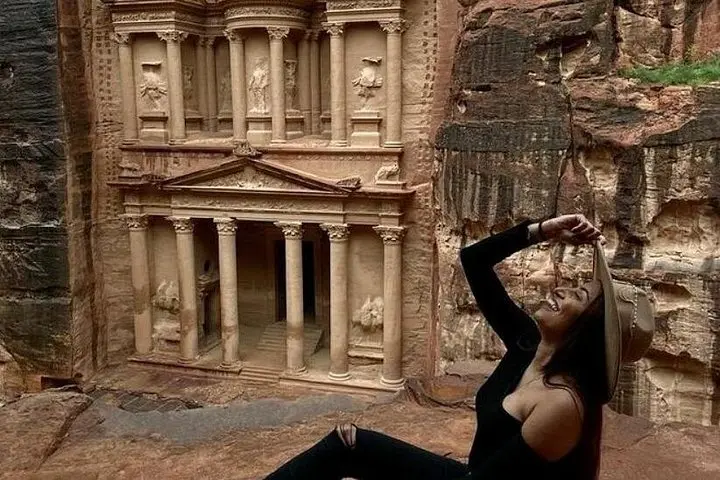
The route threads ancient trade routes and modern asphalt. Petra requires walking—expect roughly 2–4 miles of on-foot exploration, moving from the Petra Visitor Centre along the 1.2 km Siq to the Treasury and into a network of carved facades and tombs that sit around 1,000 m above sea level. Wadi Rum’s sandstone and granite towers are erosion-sculpted monuments: jeep safaris of 2–3 hours reveal Nabataean inscriptions, narrow canyons and open plains where wind still arranges the sand. The Dead Sea sits at -430 m, a geological inversion where evaporation concentrates salt and mud that people have used for millennia.
Culturally, Jordan balances hospitality and discretion. Madaba’s 6th-century mosaic map is a compact atlas of pilgrimage; Mt. Nebo offers the vista where, according to tradition, Moses saw the Promised Land. Local guides stitch these histories together with practical tips: how to navigate a souk, when to negotiate, and how to bless a meal with a simple “sahtein.” Don’t forget the Jordan Pass—your entry key for many sites and a fast way to skip ticket lines.
This private itinerary is customizable—ideal for travelers who want a mix of history, light trekking and downtime. Practicalities matter: mornings are best in Petra (sunrise light in the Siq and cooler temperatures), while the Dead Sea is most pleasant late afternoon when the wind eases. Pack a small daypack for Petra, a windproof layer for desert evenings and reef shoes for the Dead Sea shore. Hydrate: summer days push well past 35°C; winter nights can be surprisingly crisp in the desert.
Logistics are smooth: private pickups, English-speaking drivers and hotel options from 3★ to 5★. Allow time to pause at artisan workshops in Madaba and to stand in the hush of Wadi Rum as the desert “breathes” around you. The tour is equal parts landscape and story—an efficient, immersive way to see Jordan’s headline sites while leaving room to customize the details that make a trip memorable.
Visa requirements depend on nationality—many visitors can obtain a visa on arrival, but buying a Jordan Pass before travel is recommended as it includes entry fees to major sites.
Expect 2–4 miles of walking over uneven stone, with stairs and narrow passages; a modest level of mobility is needed to see the key monuments.
You’ll float rather than swim; avoid splashing, keep water out of eyes and mouth, and rinse off with fresh water afterward. Wear reef shoes for the shore to protect your feet.
Yes—the tour is private and customizable; you can shift focus to history, relaxation, or add time in specific sites like Madaba or Wadi Rum camps.
Tipping is customary: round up for service staff, give drivers and guides a modest gratuity at trip’s end, and ask your guide for local norms.
Some parts of the itinerary (hotels, vehicle transport) may be accessible, but sites like Petra and desert terrain have limited wheelchair access—check specifics with the operator.
VIP Jordan Limo operates guided outdoor trips and adventures with an emphasis on safety, stewardship, and memorable experiences.
You step off the shuttle into Amman’s warm dusk and the driver waves a small placard with your name. That first evening tastes of strong coffee and cardamom; the city sprawls up ochre hills and past illuminated minarets. Over six days the country unfolds like a layered map: Roman theaters in Amman, a mosaic city in Madaba, the biblical promontory of Mount Nebo, the rose-red canyons of Petra, the lunar silence of Wadi Rum and finally the impossibly buoyant Dead Sea.
You step off the shuttle into Amman’s warm dusk and the driver waves a small placard with your name. That first evening tastes of strong coffee and cardamom; the city sprawls up ochre hills and past illuminated minarets. Over six days the country unfolds like a layered map: Roman theaters in Amman, a mosaic city in Madaba, the biblical promontory of Mount Nebo, the rose-red canyons of Petra, the lunar silence of Wadi Rum and finally the impossibly buoyant Dead Sea.
The route threads ancient trade routes and modern asphalt. Petra requires walking—expect roughly 2–4 miles of on-foot exploration, moving from the Petra Visitor Centre along the 1.2 km Siq to the Treasury and into a network of carved facades and tombs that sit around 1,000 m above sea level. Wadi Rum’s sandstone and granite towers are erosion-sculpted monuments: jeep safaris of 2–3 hours reveal Nabataean inscriptions, narrow canyons and open plains where wind still arranges the sand. The Dead Sea sits at -430 m, a geological inversion where evaporation concentrates salt and mud that people have used for millennia.
Culturally, Jordan balances hospitality and discretion. Madaba’s 6th-century mosaic map is a compact atlas of pilgrimage; Mt. Nebo offers the vista where, according to tradition, Moses saw the Promised Land. Local guides stitch these histories together with practical tips: how to navigate a souk, when to negotiate, and how to bless a meal with a simple “sahtein.” Don’t forget the Jordan Pass—your entry key for many sites and a fast way to skip ticket lines.
This private itinerary is customizable—ideal for travelers who want a mix of history, light trekking and downtime. Practicalities matter: mornings are best in Petra (sunrise light in the Siq and cooler temperatures), while the Dead Sea is most pleasant late afternoon when the wind eases. Pack a small daypack for Petra, a windproof layer for desert evenings and reef shoes for the Dead Sea shore. Hydrate: summer days push well past 35°C; winter nights can be surprisingly crisp in the desert.
Logistics are smooth: private pickups, English-speaking drivers and hotel options from 3★ to 5★. Allow time to pause at artisan workshops in Madaba and to stand in the hush of Wadi Rum as the desert “breathes” around you. The tour is equal parts landscape and story—an efficient, immersive way to see Jordan’s headline sites while leaving room to customize the details that make a trip memorable.