THE ADVENTURE COLLECTIVE® · Independent discovery and booking for outdoor travel

A compact, private six-day route through Jordan’s highlights: Amman’s ruins, the Baptism site on the Jordan River, Petra’s carved city, Wadi Rum’s desert forms and the buoyant Dead Sea. Expect varied terrain, early starts and cultural stops that unpack regional history.
A compact, private six-day route through Jordan’s highlights: Amman’s ruins, the Baptism site on the Jordan River, Petra’s carved city, Wadi Rum’s desert forms and the buoyant Dead Sea. Expect varied terrain, early starts and cultural stops that unpack regional history.
You step out of the car in Amman as the city exhales morning heat and stone — a practical starting point for six days that stitch together Roman columns, desert rock, and mineral-rich seas.
Verified experiences and guided adventures in the surrounding area.
Operated by Yes Jordan Tours · Amman, Amman Governorate
You step out of the car in Amman as the city exhales morning heat and stone — a practical starting point for six days that stitch together Roman columns, desert rock, and mineral-rich seas.
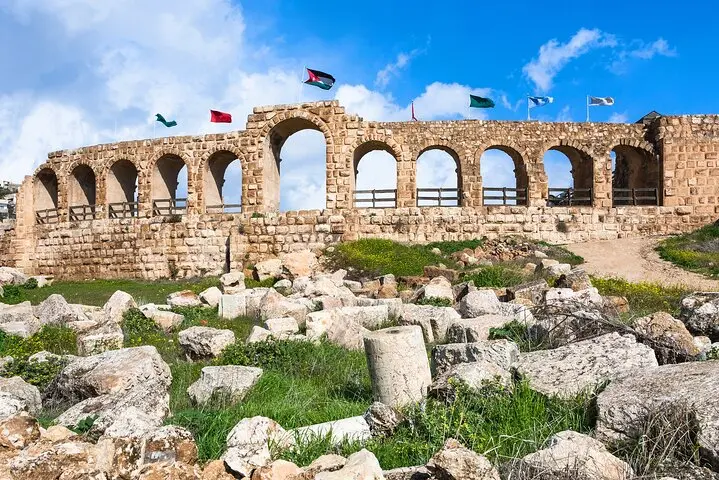
From the Amman Citadel and the Roman Theatre the route follows old trade corridors: Jerash’s colonnades recall Roman order, Ajloun’s hilltop castle watches the Jordan Valley like an old guard, and Madaba’s 6th-century mosaic map points to a mapped world. Mount Nebo holds theological weight; at Al-Maghtas the River Jordan still invites reflection where tradition says baptism occurred.
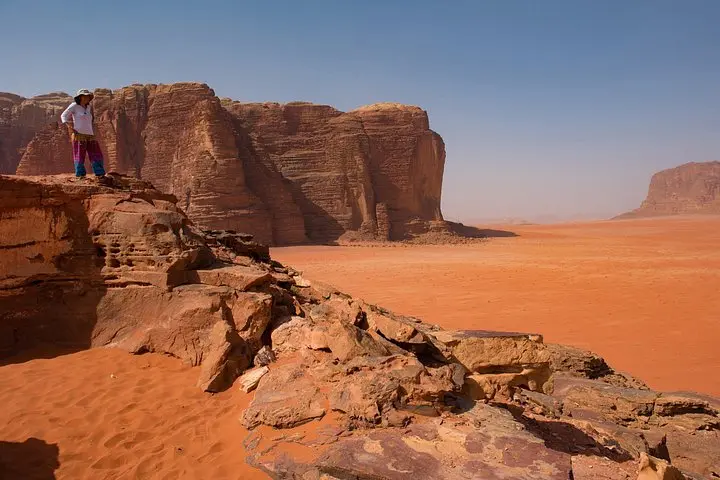
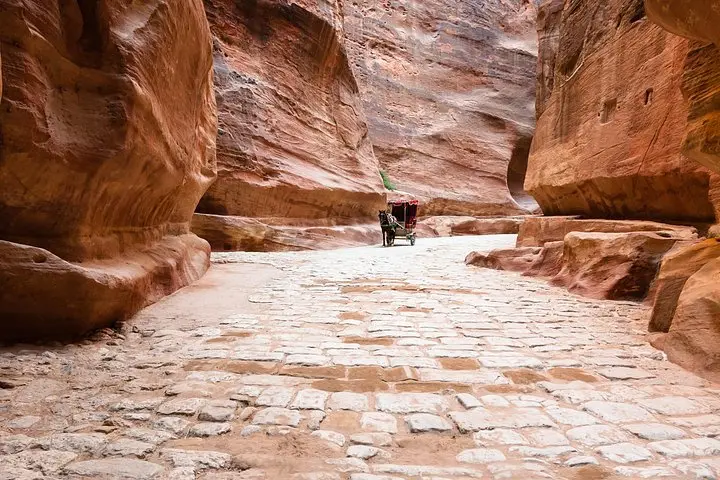
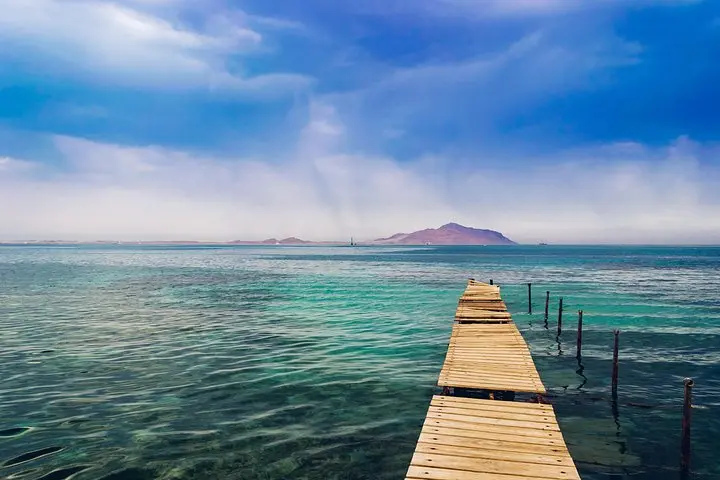
Geology shifts fast: limestone and sandstone form Petra’s rose-red façades, wind-carved sandstone towers sculpt Wadi Rum, and the Dead Sea’s dense, saline surface suspends swimmers above the earth’s lowest elevation. Culture here is layered — Nabatean engineering, Crusader fortresses, Bedouin hospitality — and local guides translate that past into practical routes and stories.
Expect steady walking in Petra (uneven rock, stairs), short hikes and viewpoints in Dana, and dusty tracks in Wadi Rum where a 4x4 widens access. Weather dictates pace: hot summers favor early starts; spring and fall are ideal for longer walking days. Practicalities: carry refillable water, sun protection, sturdy shoes, and a sense of patience for checkpoints and ticketing. Book park permits and Petra entry in advance during high season; allow room in the schedule for unpaved drives. This tour balances archaeology, open desert, and restorative float time — a route arranged for travelers who want the landscape to lead the itinerary, not the other way around.
The itinerary notes some admissions (e.g., Little Petra) but major site tickets like Petra entry and national park fees are typically paid separately; confirm with the operator before travel.
No — jeep tours, camel rides and some camp-specific activities are optional and usually purchased locally or added to your booking.
Breakfast and dinner appear in some inclusions (e.g., Bedouin camp dinner); accommodations are generally not included unless you select a package that specifies lodging.
The listing flags this as not recommended for pregnant travelers due to walking and remote areas; consult your physician and the tour operator for specifics.
Yes Jordan Tours operates guided outdoor trips and adventures with an emphasis on safety, stewardship, and memorable experiences.
You step out of the car in Amman as the city exhales morning heat and stone — a practical starting point for six days that stitch together Roman columns, desert rock, and mineral-rich seas.
You step out of the car in Amman as the city exhales morning heat and stone — a practical starting point for six days that stitch together Roman columns, desert rock, and mineral-rich seas.
From the Amman Citadel and the Roman Theatre the route follows old trade corridors: Jerash’s colonnades recall Roman order, Ajloun’s hilltop castle watches the Jordan Valley like an old guard, and Madaba’s 6th-century mosaic map points to a mapped world. Mount Nebo holds theological weight; at Al-Maghtas the River Jordan still invites reflection where tradition says baptism occurred.
Geology shifts fast: limestone and sandstone form Petra’s rose-red façades, wind-carved sandstone towers sculpt Wadi Rum, and the Dead Sea’s dense, saline surface suspends swimmers above the earth’s lowest elevation. Culture here is layered — Nabatean engineering, Crusader fortresses, Bedouin hospitality — and local guides translate that past into practical routes and stories.
Expect steady walking in Petra (uneven rock, stairs), short hikes and viewpoints in Dana, and dusty tracks in Wadi Rum where a 4x4 widens access. Weather dictates pace: hot summers favor early starts; spring and fall are ideal for longer walking days. Practicalities: carry refillable water, sun protection, sturdy shoes, and a sense of patience for checkpoints and ticketing. Book park permits and Petra entry in advance during high season; allow room in the schedule for unpaved drives. This tour balances archaeology, open desert, and restorative float time — a route arranged for travelers who want the landscape to lead the itinerary, not the other way around.