THE ADVENTURE COLLECTIVE® · Independent discovery and booking for outdoor travel

Climb Kilimanjaro on the Machame Route in six days with a private crew handling logistics and meals. This itinerary blends steady acclimatization with a classic midnight summit push to Uhuru Peak.
Climb Kilimanjaro on the Machame Route in six days with a private crew handling logistics and meals. This itinerary blends steady acclimatization with a classic midnight summit push to Uhuru Peak.
The wind has a way of announcing itself on Kilimanjaro long before you see the summit: a thin, high pressure that scours the alpine desert and makes crampons sing on frozen scree. On the Machame Route, that wind arrives after a week of changing biomes — rainforest that seems to swallow your noise, moorland dotted with giant lobelias, a stony alpine scrub, then the raw, glacial rim of Kibo. This six-day private trek stages a classic summit bid with built-in acclimatization and a mountain crew that handles tents, meals, and logistics so you can focus on pacing and breathing.
Verified experiences and guided adventures in the surrounding area.
Operated by Kilele Climb Tours Co Ltd · Moshi, Kilimanjaro Region
The wind has a way of announcing itself on Kilimanjaro long before you see the summit: a thin, high pressure that scours the alpine desert and makes crampons sing on frozen scree. On the Machame Route, that wind arrives after a week of changing biomes — rainforest that seems to swallow your noise, moorland dotted with giant lobelias, a stony alpine scrub, then the raw, glacial rim of Kibo. This six-day private trek stages a classic summit bid with built-in acclimatization and a mountain crew that handles tents, meals, and logistics so you can focus on pacing and breathing.
Kilimanjaro is a stratovolcano made of three cones: Kibo, Mawenzi and Shira. The Machame Route threads the southwestern flanks, gaining altitude gradually from Machame Gate through the Shira Plateau and up past Lava Tower before the final push from Barafu to Uhuru Peak (5,895 m). The route’s geological story is visible underfoot — volcanic scree that can feel like walking on loose sugar, ancient lava flows on Shira, and the shrinking glaciers that crown Kibo. Culturally, the mountain has long been part of Chagga life in the shadowed foothills around Moshi; today it’s protected inside Kilimanjaro National Park, a UNESCO biosphere reserve where tourism supports local porters and guides.
Each day on the itinerary is specific: roughly 13 km and 5–6 hours on Day 1 through montane forest (1,200–3,000 m), shorter but steeper shifts across moorland to Shira on Day 2, an important acclimatization day up to Lava Tower on Day 3, the long traverse over Barranco and Karanga then to Barafu on Day 4, an overnight summit attempt beginning around midnight on Day 5, and a measured descent back to Mweka and Moshi on Day 6. Expect terrain transitions from muddy root-carpeted trails to rocky ridgelines, steep scree, and the occasional icy patch near the crater rim.
Practical planning reduces surprises: hydrate early and often, carry a small day pack with layers and spare gloves, and practice walking on loose scree before arrival. Sleep quality and gradual altitude gain are the best predictors of summit success; the itinerary’s built-in acclimatization (Lava Tower and a long acclimatization day) helps. Guides carry pulse oximeters and oxygen for emergencies, but prevention matters—avoid alcohol, keep calories up, and use trekking poles to protect knees on descents.
This private Machame trek balances the romance of Africa’s highest peak with clear logistics: daily distances and elevation gain are spelled out, meals and four-season tents are provided, and transfers to/from Moshi are included. For ambitious hikers ready to commit to six days of sustained ascent, the reward is not just the panoramic sunrise over the crater from Uhuru Peak, but the deeper satisfaction of having moved deliberately through a mountain that demands respect and steadiness.
No technical mountaineering skills are required for the Machame Route—this trek is non-technical, but you must be comfortable with long days, steep scree, and high altitude.
Summit success depends on fitness, acclimatization, and weather; the itinerary’s acclimatization days improve odds, but real-time decisions by guides prioritize safety.
Mild altitude symptoms are common; guides monitor with pulse oximeters, use portable oxygen if needed, and can descend quickly; prevention (hydration, rest) is the best strategy.
This private tour includes park fees, tents, meals, kitchen team, porters, guides, and transfers to/from Moshi per the operator’s listing.
Expect temperatures well below freezing near the crater rim, with wind chill making it feel much colder — prepare for -10°C or colder at Uhuru Peak.
Not recommended for pregnant travelers or those with serious cardiovascular/spinal conditions; guests should declare medical history during booking and be in good physical condition.
Kilele Climb Tours Co Ltd operates guided outdoor trips and adventures with an emphasis on safety, stewardship, and memorable experiences.
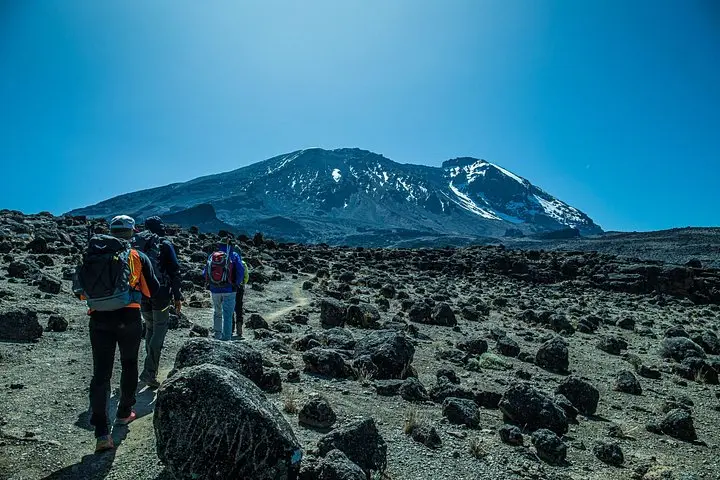
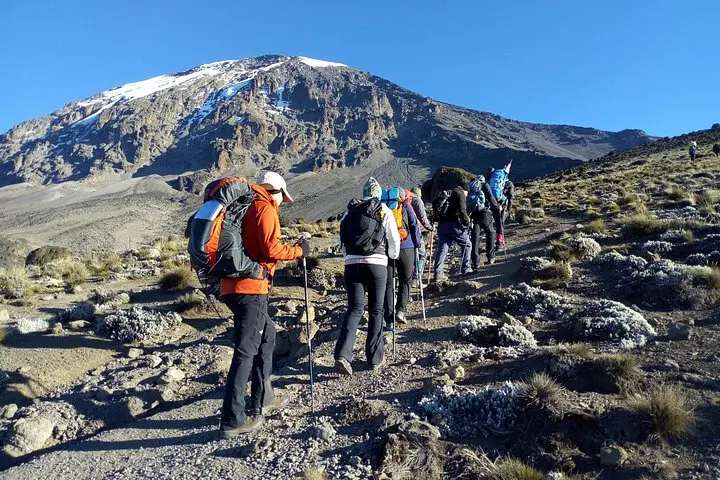
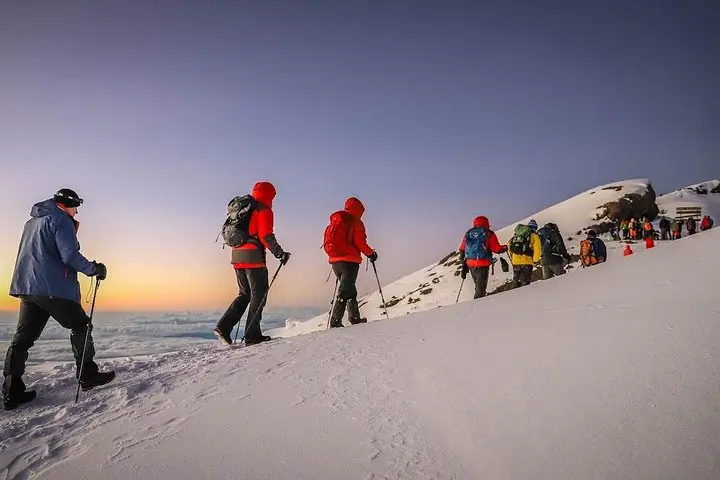
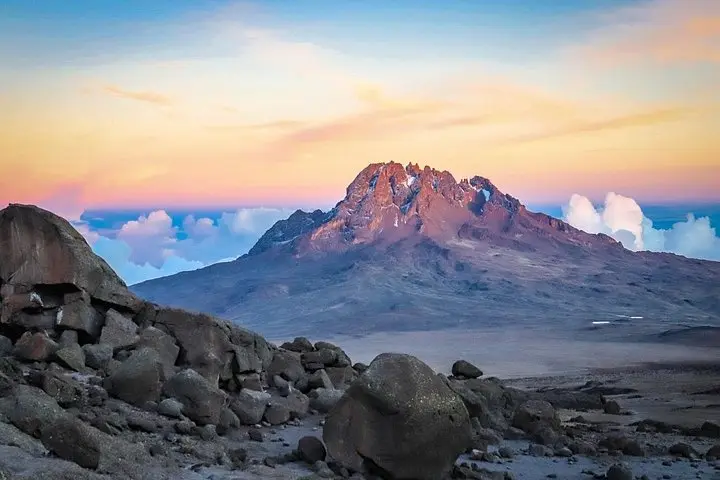
The wind has a way of announcing itself on Kilimanjaro long before you see the summit: a thin, high pressure that scours the alpine desert and makes crampons sing on frozen scree. On the Machame Route, that wind arrives after a week of changing biomes — rainforest that seems to swallow your noise, moorland dotted with giant lobelias, a stony alpine scrub, then the raw, glacial rim of Kibo. This six-day private trek stages a classic summit bid with built-in acclimatization and a mountain crew that handles tents, meals, and logistics so you can focus on pacing and breathing.
The wind has a way of announcing itself on Kilimanjaro long before you see the summit: a thin, high pressure that scours the alpine desert and makes crampons sing on frozen scree. On the Machame Route, that wind arrives after a week of changing biomes — rainforest that seems to swallow your noise, moorland dotted with giant lobelias, a stony alpine scrub, then the raw, glacial rim of Kibo. This six-day private trek stages a classic summit bid with built-in acclimatization and a mountain crew that handles tents, meals, and logistics so you can focus on pacing and breathing.
Kilimanjaro is a stratovolcano made of three cones: Kibo, Mawenzi and Shira. The Machame Route threads the southwestern flanks, gaining altitude gradually from Machame Gate through the Shira Plateau and up past Lava Tower before the final push from Barafu to Uhuru Peak (5,895 m). The route’s geological story is visible underfoot — volcanic scree that can feel like walking on loose sugar, ancient lava flows on Shira, and the shrinking glaciers that crown Kibo. Culturally, the mountain has long been part of Chagga life in the shadowed foothills around Moshi; today it’s protected inside Kilimanjaro National Park, a UNESCO biosphere reserve where tourism supports local porters and guides.
Each day on the itinerary is specific: roughly 13 km and 5–6 hours on Day 1 through montane forest (1,200–3,000 m), shorter but steeper shifts across moorland to Shira on Day 2, an important acclimatization day up to Lava Tower on Day 3, the long traverse over Barranco and Karanga then to Barafu on Day 4, an overnight summit attempt beginning around midnight on Day 5, and a measured descent back to Mweka and Moshi on Day 6. Expect terrain transitions from muddy root-carpeted trails to rocky ridgelines, steep scree, and the occasional icy patch near the crater rim.
Practical planning reduces surprises: hydrate early and often, carry a small day pack with layers and spare gloves, and practice walking on loose scree before arrival. Sleep quality and gradual altitude gain are the best predictors of summit success; the itinerary’s built-in acclimatization (Lava Tower and a long acclimatization day) helps. Guides carry pulse oximeters and oxygen for emergencies, but prevention matters—avoid alcohol, keep calories up, and use trekking poles to protect knees on descents.
This private Machame trek balances the romance of Africa’s highest peak with clear logistics: daily distances and elevation gain are spelled out, meals and four-season tents are provided, and transfers to/from Moshi are included. For ambitious hikers ready to commit to six days of sustained ascent, the reward is not just the panoramic sunrise over the crater from Uhuru Peak, but the deeper satisfaction of having moved deliberately through a mountain that demands respect and steadiness.