THE ADVENTURE COLLECTIVE® · Independent discovery and booking for outdoor travel

A six-day private loop from Bucharest that blends Romania’s medieval castles, Dacian ruins and dramatic mountain roads. Ideal for travelers who want curated history, short hikes and flexible pacing with a private guide.
A six-day private loop from Bucharest that blends Romania’s medieval castles, Dacian ruins and dramatic mountain roads. Ideal for travelers who want curated history, short hikes and flexible pacing with a private guide.
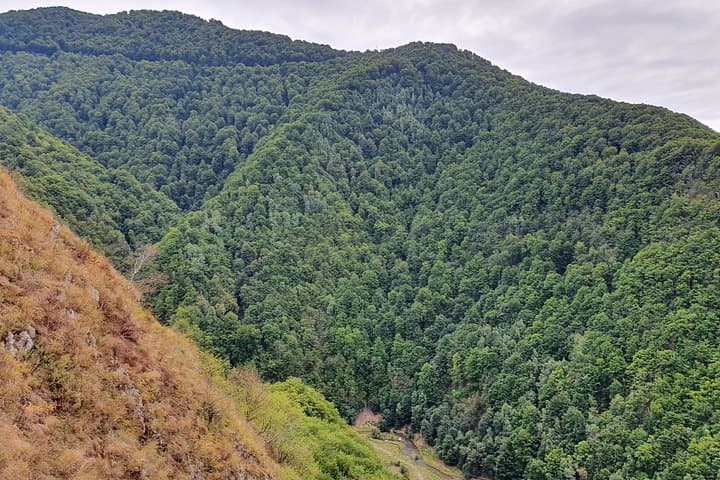
You step out of the private car and the Carpathians breathe cool air into the back of your neck—ancient stone, forested slopes and wide plains unfold like chapters of a history book. Over six days the route moves from Bucharest’s broad boulevards into Transylvania’s crenellated skylines, up hairpin roads and across plateaus where the wind pushes you along.
Verified experiences and guided adventures in the surrounding area.
Operated by Nicolas Experience Tours · Bucharest, Bucharest
You step out of the private car and the Carpathians breathe cool air into the back of your neck—ancient stone, forested slopes and wide plains unfold like chapters of a history book. Over six days the route moves from Bucharest’s broad boulevards into Transylvania’s crenellated skylines, up hairpin roads and across plateaus where the wind pushes you along.
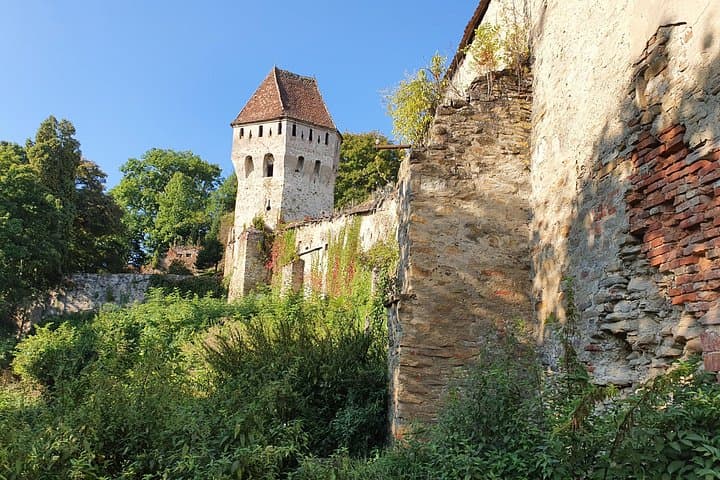
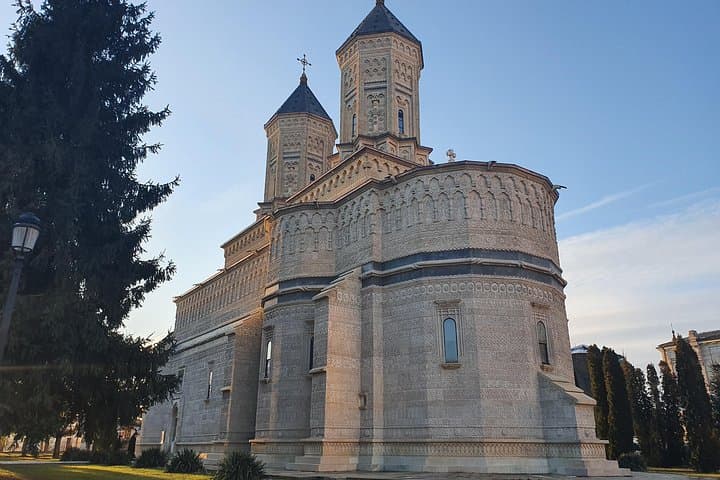
This itinerary stitches together Romania’s layers: medieval Saxon towns such as Sighisoara and Brasov, royal Peles Castle’s 19th-century splendor, the Dacian sacred terraces of Sarmizegetusa Regia and the salt-cut caverns of Turda. Geology here shifts fast—karst limestone gorges give way to volcanic remnants and high alpine pastures. Culture is regional and tactile: fortified churches, Vauban-style fortresses and market squares where local cheeses and herbs are often the best guides to place.
Expect mostly short guided walks, photo stops and a few steeper climbs (Poienari’s 1,400 steps). Days are full but flexible; the private guide adapts timing for weather and crowd peaks. Practical notes: bring sturdy walking shoes, a light daypack with water and a rain layer, and plan mornings for castle visits to avoid midday crowds. Transfagarasan is scenic but seasonal—check opening windows (typically summer to early autumn). Hydrate on long drives, carry euros or leu for small entrances and local purchases, and give extra battery to your phone for long photo runs.
This is a travel-first tour—history and nature move at a measured pace, with practical comfort and local insight threaded through every stop.
The tour operator recommends and books hotels per your budget but accommodation is not included by default; confirm lodging details at booking.
Yes—this is a private tour and the guide offers flexibility to change daily plans even after the tour starts, subject to logistics and opening hours.
Yes—physical demands are generally moderate with short walks; notify the operator of mobility needs so pacing and vehicle choice can be adjusted.
The Transfagarasan High Road is usually open from mid-summer to early autumn (often July–October) depending on snow and maintenance—confirm before departure.
Nicolas Experience Tours operates guided outdoor trips and adventures with an emphasis on safety, stewardship, and memorable experiences.
You step out of the private car and the Carpathians breathe cool air into the back of your neck—ancient stone, forested slopes and wide plains unfold like chapters of a history book. Over six days the route moves from Bucharest’s broad boulevards into Transylvania’s crenellated skylines, up hairpin roads and across plateaus where the wind pushes you along.
You step out of the private car and the Carpathians breathe cool air into the back of your neck—ancient stone, forested slopes and wide plains unfold like chapters of a history book. Over six days the route moves from Bucharest’s broad boulevards into Transylvania’s crenellated skylines, up hairpin roads and across plateaus where the wind pushes you along.
This itinerary stitches together Romania’s layers: medieval Saxon towns such as Sighisoara and Brasov, royal Peles Castle’s 19th-century splendor, the Dacian sacred terraces of Sarmizegetusa Regia and the salt-cut caverns of Turda. Geology here shifts fast—karst limestone gorges give way to volcanic remnants and high alpine pastures. Culture is regional and tactile: fortified churches, Vauban-style fortresses and market squares where local cheeses and herbs are often the best guides to place.
Expect mostly short guided walks, photo stops and a few steeper climbs (Poienari’s 1,400 steps). Days are full but flexible; the private guide adapts timing for weather and crowd peaks. Practical notes: bring sturdy walking shoes, a light daypack with water and a rain layer, and plan mornings for castle visits to avoid midday crowds. Transfagarasan is scenic but seasonal—check opening windows (typically summer to early autumn). Hydrate on long drives, carry euros or leu for small entrances and local purchases, and give extra battery to your phone for long photo runs.
This is a travel-first tour—history and nature move at a measured pace, with practical comfort and local insight threaded through every stop.