THE ADVENTURE COLLECTIVE® · Independent discovery and booking for outdoor travel

A private six-day loop from Bucharest through Transylvania’s highlights — royal castles, fortified churches, salt mines and the high Transfăgărășan. Expect comfortable private transport, frequent walking stops, and seasonal mountain roads.
A private six-day loop from Bucharest through Transylvania’s highlights — royal castles, fortified churches, salt mines and the high Transfăgărășan. Expect comfortable private transport, frequent walking stops, and seasonal mountain roads.
You pull away from Bucharest and the city’s edges give way to the low foothills of the Southern Carpathians — fields slide by, then a ribbon of road climbs through fir and beech until mountain air sharpens the senses.
Verified experiences and guided adventures in the surrounding area.
Operated by Romania Driver and Guide · Bucharest, Bucharest
You pull away from Bucharest and the city’s edges give way to the low foothills of the Southern Carpathians — fields slide by, then a ribbon of road climbs through fir and beech until mountain air sharpens the senses.
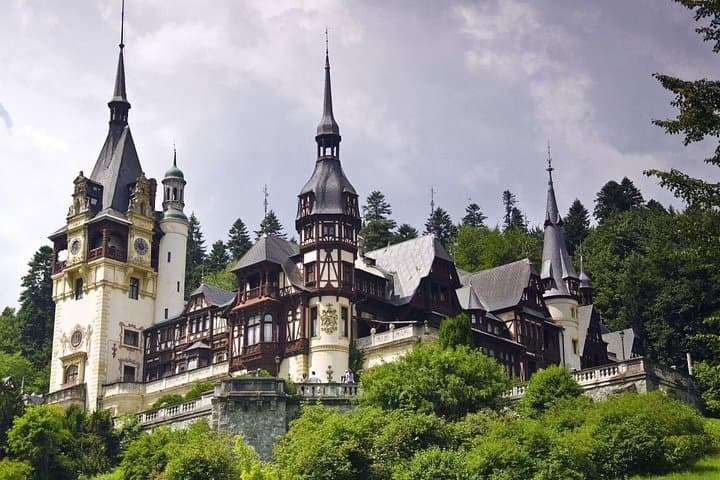
Across six days this private loop threads medieval citadels, royal palaces and highland passes. Peles Castle and Sinaia’s monastery sit at the lower reaches of the Făgăraș range (Sinaia itself sits around 800 m), while the Transfăgărășan twists above 2,000 m and offers sudden panoramas where rock and sky argue. In central Romania the Dacian ruins at Sarmizegetusa Regia and fortified Saxon churches like Biertan speak to layered histories — Roman, Dacian, Hungarian and Ottoman influences shaped towns and stonework over millennia.
Geology is visible in old salt galleries at Turda and in limestone gorges like Cheile Turzii; the salt mine’s cool, mineral air contrasts with the high, sun-exposed saddles on mountain roads.
Practical guidance: this is a driving-heavy but low-impact trip — expect long stretches in a private car with frequent two-hour exploratory stops. Pack sturdy walking shoes for uneven cobbles and the Poienari climb (roughly 1,400 steps), layers for temperature swings from valleys to mountain passes, and a small daypack for water and documents. Plan main travel between late spring and early autumn for road access (Transfăgărășan is seasonal). Bring local currency for small entrances and snacks; most sites accept cards but rural vendors may not.
The experience balances comfortable logistics with hands-on history and landscape: castle courtyards, monastery frescoes, salt-scented caverns and roads that dare you to keep looking out the window.
No — the tour uses standard tourism cars or minibuses; drivers are familiar with mountain passes, though very narrow or seasonal roads may be avoided if conditions are poor.
Yes — the overall pace is gentle with flexible stops, but some sites have stairs and uneven ground; notify the operator of mobility needs in advance.
Typically July through early October when snow has cleared; exact opening depends on winter snowfall and local maintenance.
Inclusions vary; the private guide’s accommodation and meals may be covered, but many site admissions, personal meals and optional activities are usually extra — confirm before booking.
Romania Driver and Guide operates guided outdoor trips and adventures with an emphasis on safety, stewardship, and memorable experiences.
You pull away from Bucharest and the city’s edges give way to the low foothills of the Southern Carpathians — fields slide by, then a ribbon of road climbs through fir and beech until mountain air sharpens the senses.
You pull away from Bucharest and the city’s edges give way to the low foothills of the Southern Carpathians — fields slide by, then a ribbon of road climbs through fir and beech until mountain air sharpens the senses.
Across six days this private loop threads medieval citadels, royal palaces and highland passes. Peles Castle and Sinaia’s monastery sit at the lower reaches of the Făgăraș range (Sinaia itself sits around 800 m), while the Transfăgărășan twists above 2,000 m and offers sudden panoramas where rock and sky argue. In central Romania the Dacian ruins at Sarmizegetusa Regia and fortified Saxon churches like Biertan speak to layered histories — Roman, Dacian, Hungarian and Ottoman influences shaped towns and stonework over millennia.
Geology is visible in old salt galleries at Turda and in limestone gorges like Cheile Turzii; the salt mine’s cool, mineral air contrasts with the high, sun-exposed saddles on mountain roads.
Practical guidance: this is a driving-heavy but low-impact trip — expect long stretches in a private car with frequent two-hour exploratory stops. Pack sturdy walking shoes for uneven cobbles and the Poienari climb (roughly 1,400 steps), layers for temperature swings from valleys to mountain passes, and a small daypack for water and documents. Plan main travel between late spring and early autumn for road access (Transfăgărășan is seasonal). Bring local currency for small entrances and snacks; most sites accept cards but rural vendors may not.
The experience balances comfortable logistics with hands-on history and landscape: castle courtyards, monastery frescoes, salt-scented caverns and roads that dare you to keep looking out the window.