THE ADVENTURE COLLECTIVE® · Independent discovery and booking for outdoor travel

Trace the Silk Road in six days: Tashkent’s modern pulse, Khiva’s walled antiquity, Bukhara’s madrasas and Samarkand’s Timurid grandeur. This private tour stitches history, architecture and local life into a compact cultural circuit.
Trace the Silk Road in six days: Tashkent’s modern pulse, Khiva’s walled antiquity, Bukhara’s madrasas and Samarkand’s Timurid grandeur. This private tour stitches history, architecture and local life into a compact cultural circuit.
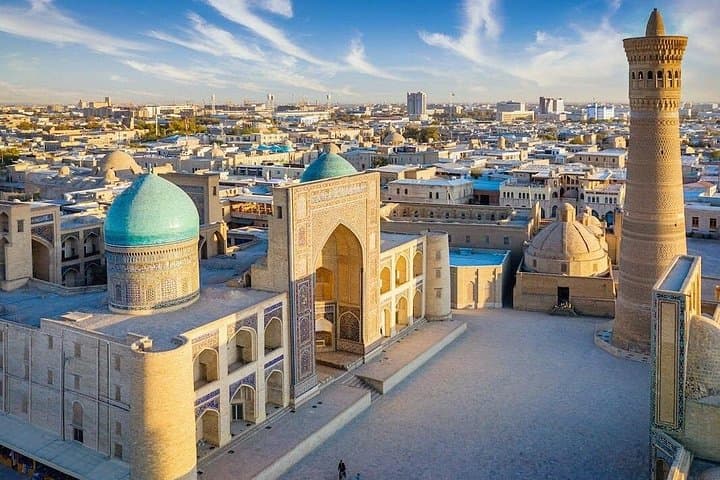
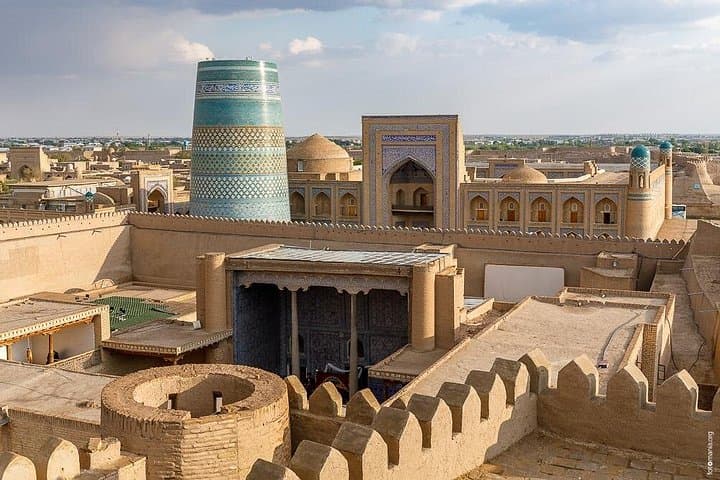
You step out into a city where tile-glazed domes catch the morning light and ancient walls still hold the hush of caravans. The six-day private circuit moves from Tashkent’s Soviet-era boulevards to Khiva’s high brick ramparts, across Bukhara’s cool madrasas, and into Samarkand’s monumental Registan. Each city has a distinct cadence—market calls, footfalls on worn stone, wind that dares the desert to keep secrets.
Verified experiences and guided adventures in the surrounding area.
Operated by Silk Tour Ltd · Tashkent, Tashkent Region
You step out into a city where tile-glazed domes catch the morning light and ancient walls still hold the hush of caravans. The six-day private circuit moves from Tashkent’s Soviet-era boulevards to Khiva’s high brick ramparts, across Bukhara’s cool madrasas, and into Samarkand’s monumental Registan. Each city has a distinct cadence—market calls, footfalls on worn stone, wind that dares the desert to keep secrets.
This route follows the Silk Road’s heart. Khiva preserves Khorezm’s fortified rectangle and 19th-century palaces; Bukhara’s Ark and Lyab-i Hauz speak to medieval emirates; Samarkand’s Timurid complexes reflect 14th–15th century imperial ambition. Geologically the region is an inland plain edged by the Kyzylkum Desert and distant Turkestan ranges; buildings use baked brick and local clays that age into the region’s warm palette.
Culturally expect live bazaars, plov kitchens, and layered prayer calls; licensed local guides interpret religious, architectural, and textile traditions. Conservation is active—many monuments have been restored, and visitor behavior affects fragile tilework.
Practical guidance: allow time for cobbled streets and mosque entry rules—cover shoulders and remove shoes where required. Trains and short domestic flights are used between cities; the itinerary is mostly low-effort walking but includes uneven surfaces and stairs. Travel light with comfortable walking shoes, sun protection, and a daypack. Early mornings and late afternoons bring cooler temperatures and thinner crowds—schedule major sights then for clearer light and quieter photos.
Yes—it's a guided private itinerary covering major highlights with included guides and transport, making it accessible for newcomers.
Expect light to moderate walking: 1–3 hours per day across uneven surfaces, courtyards and mosque steps; pace can be adjusted on request.
Breakfast for most days and twin-room accommodation in centrally located 3-star or boutique hotels are included; local meals can be arranged as specified.
Visa requirements depend on nationality—check official government guidance in advance and confirm whether you qualify for visa-free entry or need to apply.
Silk Tour Ltd operates guided outdoor trips and adventures with an emphasis on safety, stewardship, and memorable experiences.


You step out into a city where tile-glazed domes catch the morning light and ancient walls still hold the hush of caravans. The six-day private circuit moves from Tashkent’s Soviet-era boulevards to Khiva’s high brick ramparts, across Bukhara’s cool madrasas, and into Samarkand’s monumental Registan. Each city has a distinct cadence—market calls, footfalls on worn stone, wind that dares the desert to keep secrets.
You step out into a city where tile-glazed domes catch the morning light and ancient walls still hold the hush of caravans. The six-day private circuit moves from Tashkent’s Soviet-era boulevards to Khiva’s high brick ramparts, across Bukhara’s cool madrasas, and into Samarkand’s monumental Registan. Each city has a distinct cadence—market calls, footfalls on worn stone, wind that dares the desert to keep secrets.
This route follows the Silk Road’s heart. Khiva preserves Khorezm’s fortified rectangle and 19th-century palaces; Bukhara’s Ark and Lyab-i Hauz speak to medieval emirates; Samarkand’s Timurid complexes reflect 14th–15th century imperial ambition. Geologically the region is an inland plain edged by the Kyzylkum Desert and distant Turkestan ranges; buildings use baked brick and local clays that age into the region’s warm palette.
Culturally expect live bazaars, plov kitchens, and layered prayer calls; licensed local guides interpret religious, architectural, and textile traditions. Conservation is active—many monuments have been restored, and visitor behavior affects fragile tilework.
Practical guidance: allow time for cobbled streets and mosque entry rules—cover shoulders and remove shoes where required. Trains and short domestic flights are used between cities; the itinerary is mostly low-effort walking but includes uneven surfaces and stairs. Travel light with comfortable walking shoes, sun protection, and a daypack. Early mornings and late afternoons bring cooler temperatures and thinner crowds—schedule major sights then for clearer light and quieter photos.