THE ADVENTURE COLLECTIVE® · Independent discovery and booking for outdoor travel

Six days across the Rift Valley—Maasai Mara’s plains, Lake Nakuru’s flamingo shores, Hells Gate’s cycling trails and a boat ride on Lake Naivasha—this private safari pairs up-close wildlife viewing with cultural and geological context. Read on for timing, packing tips and what to expect on the road.
Six days across the Rift Valley—Maasai Mara’s plains, Lake Nakuru’s flamingo shores, Hells Gate’s cycling trails and a boat ride on Lake Naivasha—this private safari pairs up-close wildlife viewing with cultural and geological context. Read on for timing, packing tips and what to expect on the road.
The jeep crunches gravel as dawn unfurls over the Rift Valley; a sliver of sun ignites the edges of acacia crowns and the plain exhales life. On day one the road drops past the Great Rift Valley view point and the smallest church built by Italian prisoners, then climbs into the broad, spotted grasslands of Maasai Mara. Here the horizon is restless—zebra herds zigzag, lions fold into shade, and a lone giraffe strolls as if testing the patience of the sky.
Verified experiences and guided adventures in the surrounding area.
Operated by PONGEZI AFRICA SAFARIS · Narok, Narok County
The jeep crunches gravel as dawn unfurls over the Rift Valley; a sliver of sun ignites the edges of acacia crowns and the plain exhales life. On day one the road drops past the Great Rift Valley view point and the smallest church built by Italian prisoners, then climbs into the broad, spotted grasslands of Maasai Mara. Here the horizon is restless—zebra herds zigzag, lions fold into shade, and a lone giraffe strolls as if testing the patience of the sky.
This six-day circuit stitches together three very different rifts of East Africa: Maasai Mara’s rolling savanna (roughly 1,500 km² of protected plains), the alkaline mirror of Lake Nakuru with its rim of gorges and cliffs, and the volcanic escarpments and geothermal fissures around Hells Gate and Lake Naivasha. Geology does the heavy lifting here: the Rift Valley’s faulting created the lakes and cliffs, while seasonal rains choreograph the great migration that channels wildebeest into the Mara between July and October.
Culture threads through the route. The Maasai—speakers of Maa—maintain pastoral traditions and guide the human side of conservation; at Nakuru, conservation efforts have reintroduced and protected black and white rhinos and Rothschild giraffes that once teetered on the edge of disappearance. Hells Gate lets visitors close the distance to plains wildlife—on two wheels or on foot—where hartebeest and warthog read the morning like an open map.
Practical: expect long drives—Nairobi to Mara ~270 km (5–6 hours), Mara to Nakuru ~220 km (4–5 hours), Nakuru to Naivasha ~65 km (1.5–2 hours), Naivasha back to Nairobi ~90 km (2–3 hours) depending on stops and road conditions. Altitude varies between roughly 1,500–1,900 m; temperatures are cool mornings, hot midday, and brisk after sunset.
Daily rhythm is simple: early wake-ups, game drives when predators are active, set lunches on the savanna or in lodge dining rooms, and a late-afternoon drive for softer light. Hells Gate’s cycling loop and walk to the gorge are hands-on—bring steady shoes and a helmet—and the Lake Naivasha boat ride puts you within earshot of hippos and the African Fish Eagle’s metallic cry.
Preparation tips: pack layered clothing for 10–20°C swings, a good telephoto lens and binoculars, insect repellent, water purification tablets or a reusable filter bottle, and solid hiking shoes for Hells Gate. Vaccinations, malaria prophylaxis, and travel insurance are practical necessities. With a private vehicle and included meals, this itinerary balances comfort with immersive wildlife time—expect long, satisfying days and close encounters with the wild heart of Kenya.
Routine vaccines are recommended; yellow fever may be required depending on your origin and malaria prophylaxis is advised—check with a travel clinic well before departure.
Expect about 5–6 hours by road with a stop at the Rift Valley viewpoint; times vary with traffic and road conditions.
Lodges listed are 3–4 star with private rooms, meals included and basic amenities; it's a lodge-based safari rather than tented camping.
The itinerary includes game drives and some walking/cycling; it's accessible for many, but discuss specific mobility needs during booking—vehicle and lodge access are generally good.
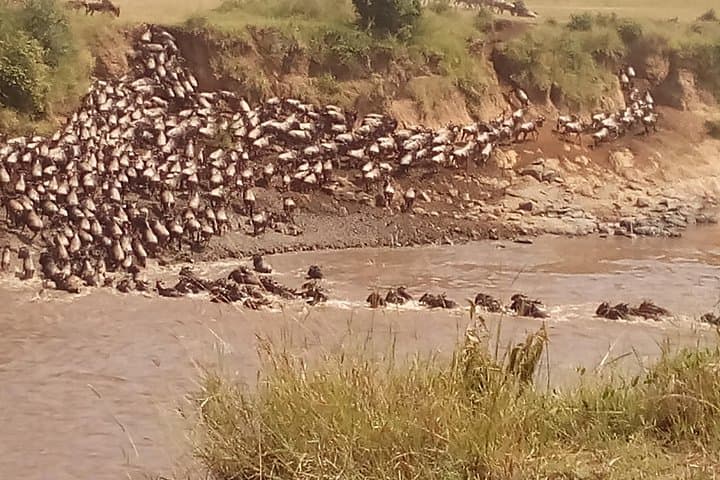
The migration peaks July–October when wildebeest cross into Maasai Mara; sightings are seasonal and never guaranteed, but this period offers the best chance.
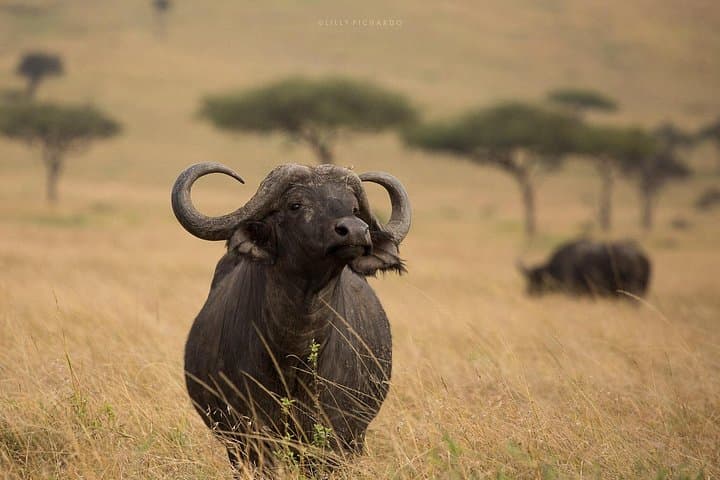
Common sightings include lions, elephants, zebras, giraffes, buffalo, black and white rhinos at Nakuru, flamingos, and a range of raptors including the African Fish Eagle.
PONGEZI AFRICA SAFARIS operates guided outdoor trips and adventures with an emphasis on safety, stewardship, and memorable experiences.
The jeep crunches gravel as dawn unfurls over the Rift Valley; a sliver of sun ignites the edges of acacia crowns and the plain exhales life. On day one the road drops past the Great Rift Valley view point and the smallest church built by Italian prisoners, then climbs into the broad, spotted grasslands of Maasai Mara. Here the horizon is restless—zebra herds zigzag, lions fold into shade, and a lone giraffe strolls as if testing the patience of the sky.
The jeep crunches gravel as dawn unfurls over the Rift Valley; a sliver of sun ignites the edges of acacia crowns and the plain exhales life. On day one the road drops past the Great Rift Valley view point and the smallest church built by Italian prisoners, then climbs into the broad, spotted grasslands of Maasai Mara. Here the horizon is restless—zebra herds zigzag, lions fold into shade, and a lone giraffe strolls as if testing the patience of the sky.
This six-day circuit stitches together three very different rifts of East Africa: Maasai Mara’s rolling savanna (roughly 1,500 km² of protected plains), the alkaline mirror of Lake Nakuru with its rim of gorges and cliffs, and the volcanic escarpments and geothermal fissures around Hells Gate and Lake Naivasha. Geology does the heavy lifting here: the Rift Valley’s faulting created the lakes and cliffs, while seasonal rains choreograph the great migration that channels wildebeest into the Mara between July and October.
Culture threads through the route. The Maasai—speakers of Maa—maintain pastoral traditions and guide the human side of conservation; at Nakuru, conservation efforts have reintroduced and protected black and white rhinos and Rothschild giraffes that once teetered on the edge of disappearance. Hells Gate lets visitors close the distance to plains wildlife—on two wheels or on foot—where hartebeest and warthog read the morning like an open map.
Practical: expect long drives—Nairobi to Mara ~270 km (5–6 hours), Mara to Nakuru ~220 km (4–5 hours), Nakuru to Naivasha ~65 km (1.5–2 hours), Naivasha back to Nairobi ~90 km (2–3 hours) depending on stops and road conditions. Altitude varies between roughly 1,500–1,900 m; temperatures are cool mornings, hot midday, and brisk after sunset.
Daily rhythm is simple: early wake-ups, game drives when predators are active, set lunches on the savanna or in lodge dining rooms, and a late-afternoon drive for softer light. Hells Gate’s cycling loop and walk to the gorge are hands-on—bring steady shoes and a helmet—and the Lake Naivasha boat ride puts you within earshot of hippos and the African Fish Eagle’s metallic cry.
Preparation tips: pack layered clothing for 10–20°C swings, a good telephoto lens and binoculars, insect repellent, water purification tablets or a reusable filter bottle, and solid hiking shoes for Hells Gate. Vaccinations, malaria prophylaxis, and travel insurance are practical necessities. With a private vehicle and included meals, this itinerary balances comfort with immersive wildlife time—expect long, satisfying days and close encounters with the wild heart of Kenya.