THE ADVENTURE COLLECTIVE® · Independent discovery and booking for outdoor travel

Covering Sossusvlei’s ochre dunes, Swakopmund’s Atlantic shore and Etosha’s salt pans, this six-day camping safari offers a compact, budget-friendly way to experience Namibia’s major natural highlights. Expect long drives, early mornings, communal camping and high wildlife encounter potential.
Covering Sossusvlei’s ochre dunes, Swakopmund’s Atlantic shore and Etosha’s salt pans, this six-day camping safari offers a compact, budget-friendly way to experience Namibia’s major natural highlights. Expect long drives, early mornings, communal camping and high wildlife encounter potential.
Before dawn a diesel truck rumbles away from Windhoek, headlights cutting a path over the central plateau as the desert breathes around it. By mid-morning the landscape opens into ochre plains and angular inselbergs; later, dunes rise like living walls that shift color with the sun. This trip threads three distinct Namibian worlds — the ancient red dunes of Sossusvlei, the cold Atlantic edge at Swakopmund, and the wildlife-rich pans of Etosha — all on a budget-conscious camping itinerary.
Verified experiences and guided adventures in the surrounding area.
Operated by Chameleon Safaris · Windhoek, Khomas Region
Before dawn a diesel truck rumbles away from Windhoek, headlights cutting a path over the central plateau as the desert breathes around it. By mid-morning the landscape opens into ochre plains and angular inselbergs; later, dunes rise like living walls that shift color with the sun. This trip threads three distinct Namibian worlds — the ancient red dunes of Sossusvlei, the cold Atlantic edge at Swakopmund, and the wildlife-rich pans of Etosha — all on a budget-conscious camping itinerary.
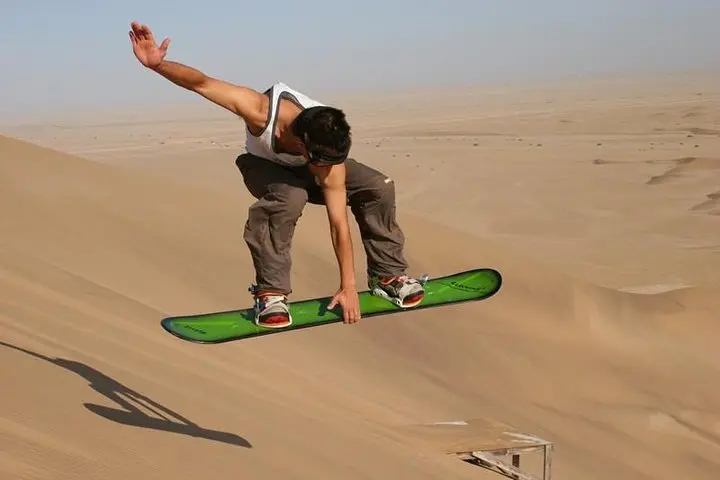
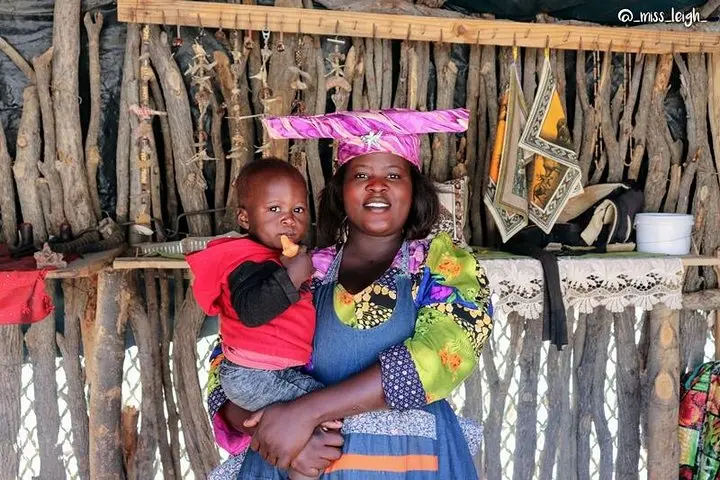
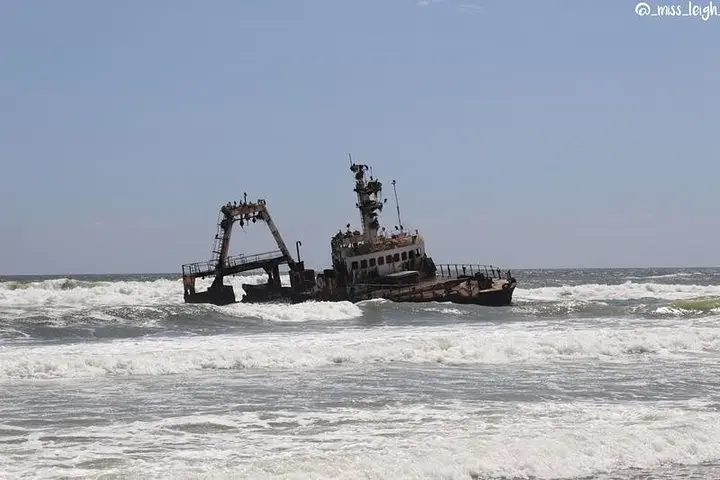
The dunes here are geologic archives: wind-sculpted sand deposited over millions of years, sliding from the escarpment to the coast. The Skeleton Coast’s fog-fed coastline tells a different story — cold Benguela currents and shipwrecks speak to maritime history and early whalers. Inland, Etosha’s salt pan is a remnant sea; its waterholes concentrate life and draw both predators and prey into public theatre. Cultural threads run through the route too: Nama and San presences, German colonial towns like Swakopmund, and Otjiwarongo’s woodcarvers mark human responses to environment.
Practical guidance: expect long driving days (several 100 km stretches), early starts for dune sunrises and game viewing, and communal campsite facilities with basic ablutions. Bring layered clothing for hot days and chilly desert nights, a reliable water bottle, sun protection, and comfortable boots for dune climbs. Game drives are done from a secure Chameleon vehicle; follow guide direction at waterholes. This itinerary balances adventurous camping with practical logistics — minimal luxury, maximum landscape.
This is budget camping with communal ablutions at campsites, basic tents and shared cooking; one night in Swakopmund is in twin-share rooms with en-suite facilities.
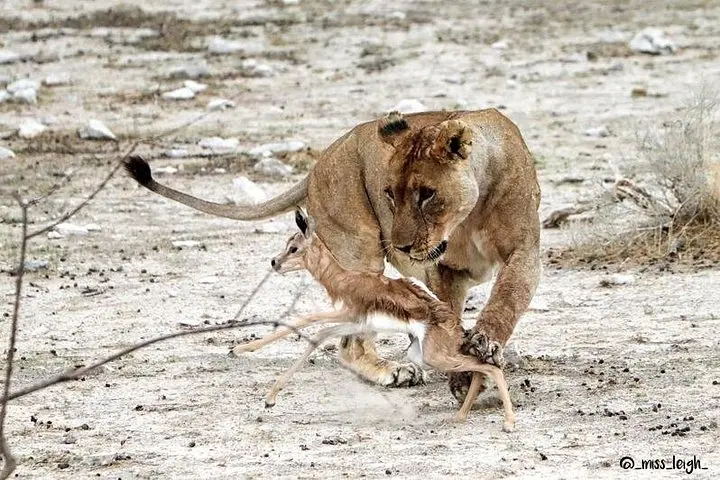
Yes — Etosha’s waterholes attract elephants, lions, oryx, springbok and other species, especially at dawn and dusk, though sightings can’t be guaranteed.
The public gravel road to the 2x4 car park is accessible to 2WD; the final 5 km into Sossusvlei is on the dry riverbed and typically requires a 4x4 or guided transfer provided by the operator.
Not recommended for pregnant travelers or those with serious spinal/cardiac conditions; moderate fitness is required and all travelers should carry personal medications and travel insurance.
Chameleon Safaris operates guided outdoor trips and adventures with an emphasis on safety, stewardship, and memorable experiences.
Before dawn a diesel truck rumbles away from Windhoek, headlights cutting a path over the central plateau as the desert breathes around it. By mid-morning the landscape opens into ochre plains and angular inselbergs; later, dunes rise like living walls that shift color with the sun. This trip threads three distinct Namibian worlds — the ancient red dunes of Sossusvlei, the cold Atlantic edge at Swakopmund, and the wildlife-rich pans of Etosha — all on a budget-conscious camping itinerary.
Before dawn a diesel truck rumbles away from Windhoek, headlights cutting a path over the central plateau as the desert breathes around it. By mid-morning the landscape opens into ochre plains and angular inselbergs; later, dunes rise like living walls that shift color with the sun. This trip threads three distinct Namibian worlds — the ancient red dunes of Sossusvlei, the cold Atlantic edge at Swakopmund, and the wildlife-rich pans of Etosha — all on a budget-conscious camping itinerary.
The dunes here are geologic archives: wind-sculpted sand deposited over millions of years, sliding from the escarpment to the coast. The Skeleton Coast’s fog-fed coastline tells a different story — cold Benguela currents and shipwrecks speak to maritime history and early whalers. Inland, Etosha’s salt pan is a remnant sea; its waterholes concentrate life and draw both predators and prey into public theatre. Cultural threads run through the route too: Nama and San presences, German colonial towns like Swakopmund, and Otjiwarongo’s woodcarvers mark human responses to environment.
Practical guidance: expect long driving days (several 100 km stretches), early starts for dune sunrises and game viewing, and communal campsite facilities with basic ablutions. Bring layered clothing for hot days and chilly desert nights, a reliable water bottle, sun protection, and comfortable boots for dune climbs. Game drives are done from a secure Chameleon vehicle; follow guide direction at waterholes. This itinerary balances adventurous camping with practical logistics — minimal luxury, maximum landscape.