THE ADVENTURE COLLECTIVE® · Independent discovery and booking for outdoor travel

Combine riverine game viewing in the vast Selous (Julius Nyerere) with colonial-era ruins and reef snorkeling on Kilwa Kisiwani. This six-day private itinerary blends boat safaris, bush walks and cultural visits with comfortable lodge nights.
Combine riverine game viewing in the vast Selous (Julius Nyerere) with colonial-era ruins and reef snorkeling on Kilwa Kisiwani. This six-day private itinerary blends boat safaris, bush walks and cultural visits with comfortable lodge nights.
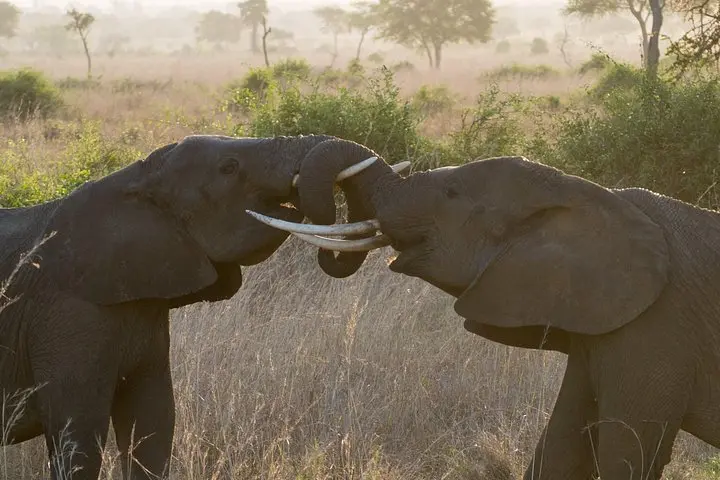
On the road out of Dar, the dusty highway thins and the landscape opens into wide, low-lying plains that feed the Rufiji — grasslands that seem to breathe with elephant and grazing herds. By late afternoon you arrive at riverbank camps in the Selous (now Julius Nyerere National Park), where hippos hold the channels and crocodiles line sun-warmed sand; boats skim reedbeds as the light slips away.
Verified experiences and guided adventures in the surrounding area.
Operated by Kumekucha Africa Safaris Tours · Kilwa Masoko, Lindi
On the road out of Dar, the dusty highway thins and the landscape opens into wide, low-lying plains that feed the Rufiji — grasslands that seem to breathe with elephant and grazing herds. By late afternoon you arrive at riverbank camps in the Selous (now Julius Nyerere National Park), where hippos hold the channels and crocodiles line sun-warmed sand; boats skim reedbeds as the light slips away.
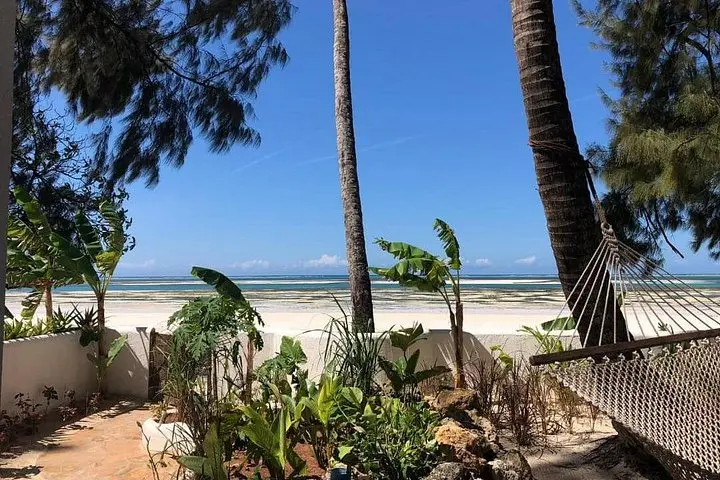
The route folds from floodplain to coral-fringed coast: Kilwa Kisiwani’s coral-stone mosques and ruined palaces map a millennium of Shirazi traders, Portuguese guns and German colonial posts. Geologically the coast is reef and limestone terraces, while inland the Rufiji catchment is a slow network of oxbows and seasonal lagoons that sustain large mammals and prolific birdlife.
What to expect: dawn game drives on mostly flat tracks, slow boat safaris on the Rufiji, short guided bush walks and a short boat hop to Kilwa for shallow-reef snorkeling. Distances are long—expect multiple 5–7 hour drives between hubs—and transfers blend private vehicle and motorboat. Weather brings dust, sun and seasonal rains; pack sun protection, mosquito precautions and binoculars.
Practical edge: mornings and late afternoons are best for sightings; mid-day suits cultural visits and snorkeling. Carry malaria prophylaxis, bottled water, and follow guide instructions to reduce disturbance. Support local conservation and the Kilwa Kisiwani visitor program to help preserve sites for future travelers.
Private transfers, park entrance fees, accommodations as listed, most meals, selected activities (boat safaris, game drives) and bottled water are typically included; verify exact inclusions with the operator.
The dry months (June–October) offer the most reliable wildlife viewing; September often balances good sightings with fewer tourists.
Families are welcome but the operator notes it is not recommended for pregnant travelers and infants must sit on laps; check specific age policies before booking.
Yellow fever vaccination may be required depending on travel history; malaria prophylaxis is strongly advised—consult your travel clinic for current guidance.
Kumekucha Africa Safaris Tours operates guided outdoor trips and adventures with an emphasis on safety, stewardship, and memorable experiences.
On the road out of Dar, the dusty highway thins and the landscape opens into wide, low-lying plains that feed the Rufiji — grasslands that seem to breathe with elephant and grazing herds. By late afternoon you arrive at riverbank camps in the Selous (now Julius Nyerere National Park), where hippos hold the channels and crocodiles line sun-warmed sand; boats skim reedbeds as the light slips away.
On the road out of Dar, the dusty highway thins and the landscape opens into wide, low-lying plains that feed the Rufiji — grasslands that seem to breathe with elephant and grazing herds. By late afternoon you arrive at riverbank camps in the Selous (now Julius Nyerere National Park), where hippos hold the channels and crocodiles line sun-warmed sand; boats skim reedbeds as the light slips away.
The route folds from floodplain to coral-fringed coast: Kilwa Kisiwani’s coral-stone mosques and ruined palaces map a millennium of Shirazi traders, Portuguese guns and German colonial posts. Geologically the coast is reef and limestone terraces, while inland the Rufiji catchment is a slow network of oxbows and seasonal lagoons that sustain large mammals and prolific birdlife.
What to expect: dawn game drives on mostly flat tracks, slow boat safaris on the Rufiji, short guided bush walks and a short boat hop to Kilwa for shallow-reef snorkeling. Distances are long—expect multiple 5–7 hour drives between hubs—and transfers blend private vehicle and motorboat. Weather brings dust, sun and seasonal rains; pack sun protection, mosquito precautions and binoculars.
Practical edge: mornings and late afternoons are best for sightings; mid-day suits cultural visits and snorkeling. Carry malaria prophylaxis, bottled water, and follow guide instructions to reduce disturbance. Support local conservation and the Kilwa Kisiwani visitor program to help preserve sites for future travelers.