THE ADVENTURE COLLECTIVE® · Independent discovery and booking for outdoor travel

Move through habitats where the Great Migration shapes every horizon. This six-day safari pairs sustained game drives in Serengeti with a deep-dive into Ngorongoro Crater’s concentrated wildlife.
Move through habitats where the Great Migration shapes every horizon. This six-day safari pairs sustained game drives in Serengeti with a deep-dive into Ngorongoro Crater’s concentrated wildlife.
Dawn strips the sky of its blue and the plains exhale a hush broken by distant hooves — the migration is a moving horizon, and you are in the middle of its route. Over six days you'll move with the land: watching wildebeest spill across grasslands, following lion shadows, and standing at the rim of Ngorongoro as the crater holds a whole ecosystem inside its walls.
Verified experiences and guided adventures in the surrounding area.
Operated by Kanje grand tours · Arusha, Arusha Region
Dawn strips the sky of its blue and the plains exhale a hush broken by distant hooves — the migration is a moving horizon, and you are in the middle of its route. Over six days you'll move with the land: watching wildebeest spill across grasslands, following lion shadows, and standing at the rim of Ngorongoro as the crater holds a whole ecosystem inside its walls.
Geology and human history shape every turn. Serengeti’s broad plains sit on volcanic soils and ancient fault lines that guide seasonal waters and the herds that track them. Ngorongoro is a collapsed volcanic caldera—steep-sided, 600 meters deep—now a natural amphitheater for wildlife. Maasai culture remains visible on the park edges; their grazing patterns and knowledge have been part of this landscape for generations.
Expect full-day game drives from early morning and late-afternoon windows when predators and birds are most active. Terrain ranges from short-grass plains to riverine woodlands and occasional rocky kopjes; roads can be bumpy and soft after rain. Guides read spoor and seasonal water, positioning vehicles for close but respectful wildlife viewing.
Practical guidance: pack neutral, breathable layers, a good pair of binoculars, and a camera with telephoto reach. Hydrate on long drives and carry motion-sickness medication if you are prone to it. Respect park rules—stay inside vehicles except at designated stops. Plan for early starts: sunrises are prime-time wildlife hours and cooler for game viewing. With basic physical mobility and patience, this itinerary delivers some of East Africa’s clearest encounters with migration dynamics and crater-edge panoramas.
The migration moves with rains; June–September generally concentrates animals in northern Serengeti for river crossings, while December–March sees calving in southern/central areas—local timing varies year to year.
This tour description lists fees, meals, and accommodations in the itinerary; confirm exact lodge/camp standards at booking as upgrades/downgrades may be available.
Travelers should check Tanzania visa requirements and consult a healthcare provider about routine and travel vaccinations (e.g., yellow fever if required) and malaria prophylaxis.
The tour is described as suitable for all fitness levels, but children and those with reduced mobility should expect long vehicle rides and limited off-vehicle access—confirm specifics with the operator.
Kanje grand tours operates guided outdoor trips and adventures with an emphasis on safety, stewardship, and memorable experiences.
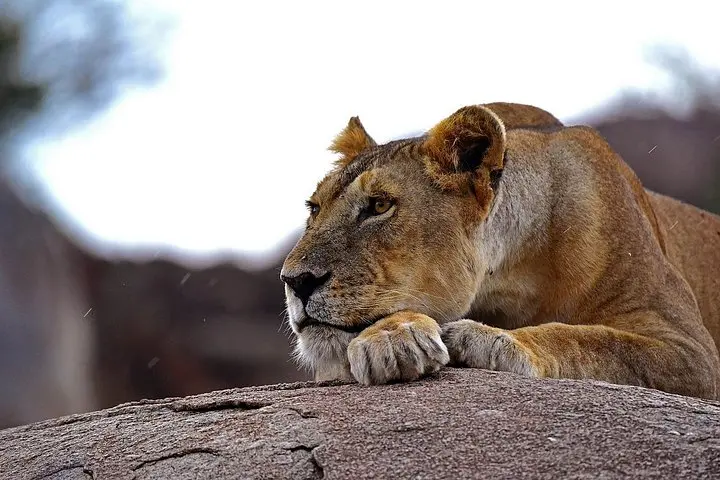
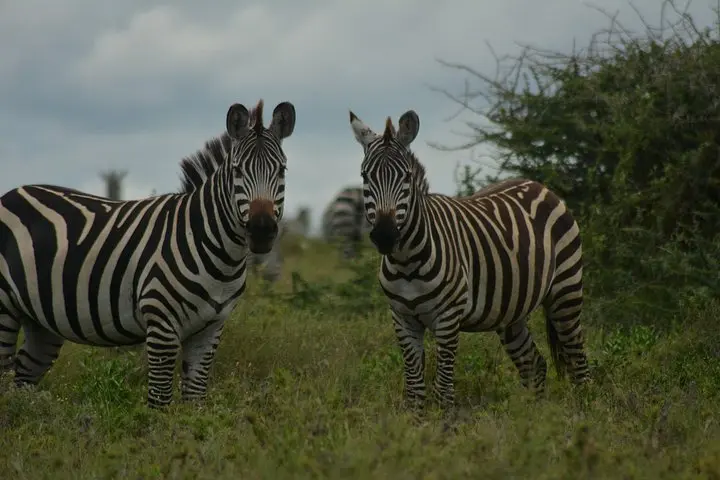
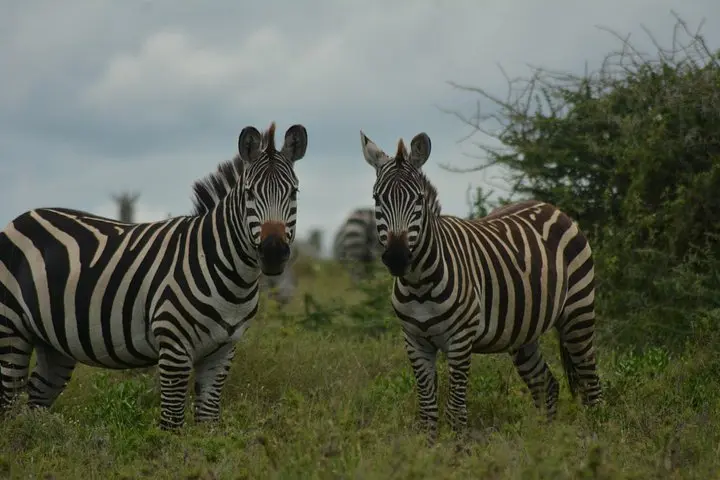
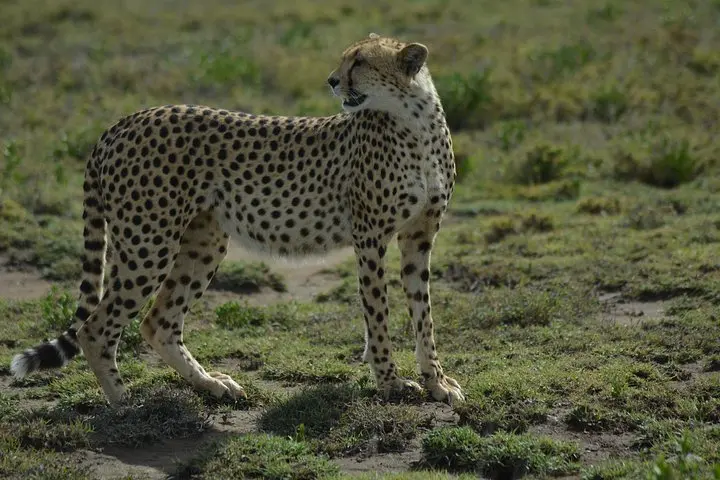
Dawn strips the sky of its blue and the plains exhale a hush broken by distant hooves — the migration is a moving horizon, and you are in the middle of its route. Over six days you'll move with the land: watching wildebeest spill across grasslands, following lion shadows, and standing at the rim of Ngorongoro as the crater holds a whole ecosystem inside its walls.
Dawn strips the sky of its blue and the plains exhale a hush broken by distant hooves — the migration is a moving horizon, and you are in the middle of its route. Over six days you'll move with the land: watching wildebeest spill across grasslands, following lion shadows, and standing at the rim of Ngorongoro as the crater holds a whole ecosystem inside its walls.
Geology and human history shape every turn. Serengeti’s broad plains sit on volcanic soils and ancient fault lines that guide seasonal waters and the herds that track them. Ngorongoro is a collapsed volcanic caldera—steep-sided, 600 meters deep—now a natural amphitheater for wildlife. Maasai culture remains visible on the park edges; their grazing patterns and knowledge have been part of this landscape for generations.
Expect full-day game drives from early morning and late-afternoon windows when predators and birds are most active. Terrain ranges from short-grass plains to riverine woodlands and occasional rocky kopjes; roads can be bumpy and soft after rain. Guides read spoor and seasonal water, positioning vehicles for close but respectful wildlife viewing.
Practical guidance: pack neutral, breathable layers, a good pair of binoculars, and a camera with telephoto reach. Hydrate on long drives and carry motion-sickness medication if you are prone to it. Respect park rules—stay inside vehicles except at designated stops. Plan for early starts: sunrises are prime-time wildlife hours and cooler for game viewing. With basic physical mobility and patience, this itinerary delivers some of East Africa’s clearest encounters with migration dynamics and crater-edge panoramas.