THE ADVENTURE COLLECTIVE® · Independent discovery and booking for outdoor travel

Six days through Tanzania’s northern circuit—Tarangire, Manyara, Serengeti and Ngorongoro—deliver big plains, crater game drives and cultural stops. This compact safari balances long game days with luxury tented and lodge stays.
Six days through Tanzania’s northern circuit—Tarangire, Manyara, Serengeti and Ngorongoro—deliver big plains, crater game drives and cultural stops. This compact safari balances long game days with luxury tented and lodge stays.
Dawn breaks over acacia silhouettes and the Land Cruiser hums to life—dust rising like a promise as the convoy slips onto the red earth toward Tarangire.
Verified experiences and guided adventures in the surrounding area.
Operated by RO SCAVENGER SAFARIS · Arusha, Arusha Region
Dawn breaks over acacia silhouettes and the Land Cruiser hums to life—dust rising like a promise as the convoy slips onto the red earth toward Tarangire.
The route threads through Tanzania’s northern circuit: Tarangire’s riverine galleries and baobabs, Lake Manyara’s soda-lake birds and tree-climbing lions, the endless plains of the Serengeti, and the bowl-shaped Ngorongoro Crater. Geology is obvious here: the Rift Valley’s tilt creates dramatic escarpments and the Ngorongoro caldera—a collapsed volcano with a rim roughly 2,300 m high and a floor near 1,800 m—holds an unusually dense concentration of wildlife.
Human history is layered too: Olduvai Gorge’s deep deposits document early hominins, while Maasai communities maintain a living pastoral culture on the conservation area’s margins.
Practically, expect long but scenic drives—about five hours to the Serengeti from Lake Manyara, and three to four hours back to Arusha—and full-day game drives in open-sided vehicles. Wildlife viewing concentrates at water sources in the dry season (June–October), while the short rains and long rains shift the great migration and soften tracks.
Bring binoculars, a sun hat, and neutral clothing; keep cameras ready but respect animal space—guides set viewing distances for good reason. Hydration and sun protection are essential; mornings and evenings can be cool at higher elevations. Optional hot-air balloon rides require pre-booking and a minimum age.
This itinerary balances immersive game time with comfortable tented and lodge stays, combining frontline wildlife encounters with cultural and geological context for a compact, six-day safari.
Expect about a five-hour drive from Lake Manyara to the Serengeti on day two; total times vary with stops and road conditions.
Yes—its compact caldera makes wildlife viewing efficient and accessible, with high concentrations of species visible in a single day.
Yes, a hot-air balloon is usually offered as an optional add-on; it must be pre-booked and meets minimum age requirements (often 8 years).
This itinerary indicates park fees are included; always confirm at booking and carry necessary travel documents like passports.
RO SCAVENGER SAFARIS operates guided outdoor trips and adventures with an emphasis on safety, stewardship, and memorable experiences.
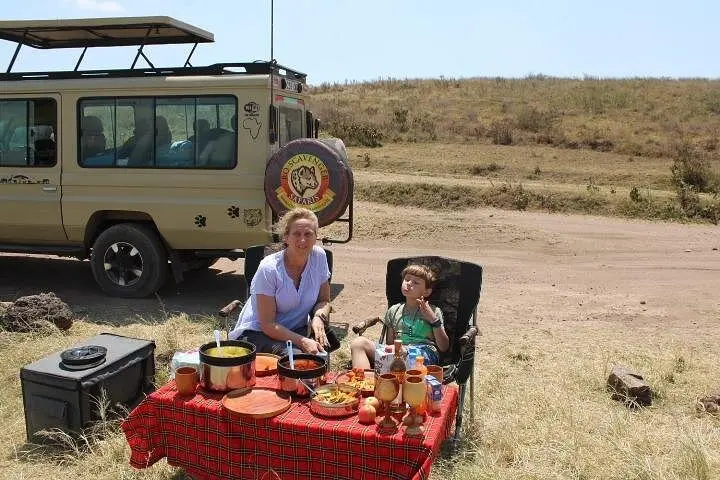
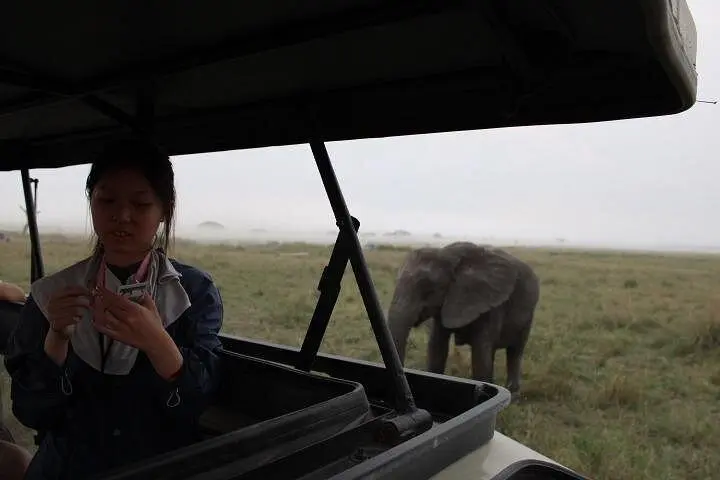
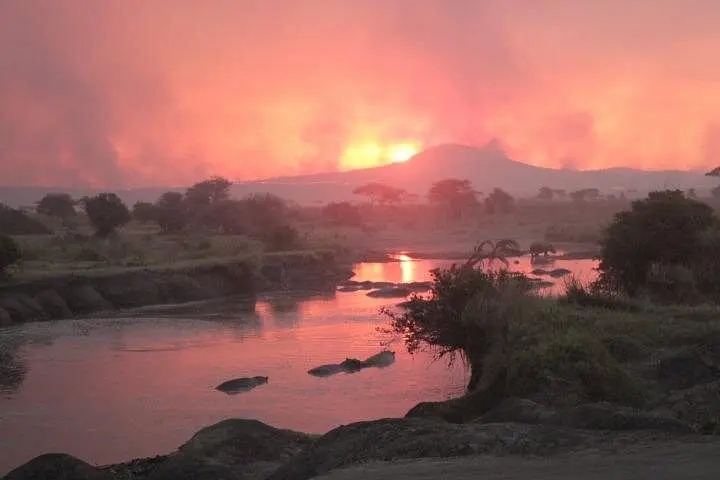
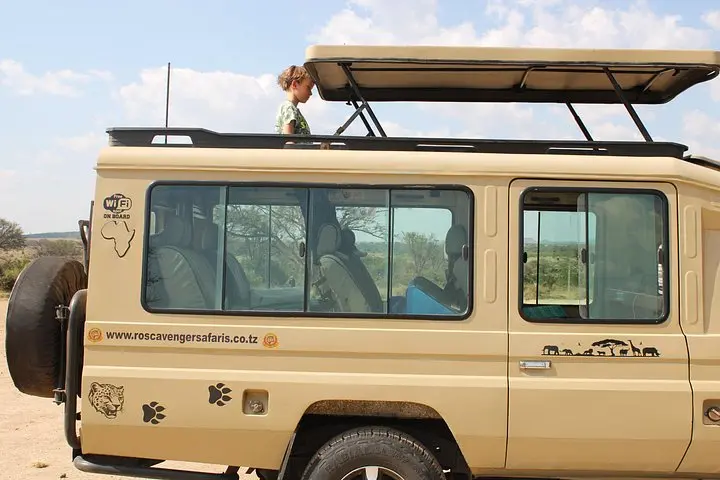
Dawn breaks over acacia silhouettes and the Land Cruiser hums to life—dust rising like a promise as the convoy slips onto the red earth toward Tarangire.
Dawn breaks over acacia silhouettes and the Land Cruiser hums to life—dust rising like a promise as the convoy slips onto the red earth toward Tarangire.
The route threads through Tanzania’s northern circuit: Tarangire’s riverine galleries and baobabs, Lake Manyara’s soda-lake birds and tree-climbing lions, the endless plains of the Serengeti, and the bowl-shaped Ngorongoro Crater. Geology is obvious here: the Rift Valley’s tilt creates dramatic escarpments and the Ngorongoro caldera—a collapsed volcano with a rim roughly 2,300 m high and a floor near 1,800 m—holds an unusually dense concentration of wildlife.
Human history is layered too: Olduvai Gorge’s deep deposits document early hominins, while Maasai communities maintain a living pastoral culture on the conservation area’s margins.
Practically, expect long but scenic drives—about five hours to the Serengeti from Lake Manyara, and three to four hours back to Arusha—and full-day game drives in open-sided vehicles. Wildlife viewing concentrates at water sources in the dry season (June–October), while the short rains and long rains shift the great migration and soften tracks.
Bring binoculars, a sun hat, and neutral clothing; keep cameras ready but respect animal space—guides set viewing distances for good reason. Hydration and sun protection are essential; mornings and evenings can be cool at higher elevations. Optional hot-air balloon rides require pre-booking and a minimum age.
This itinerary balances immersive game time with comfortable tented and lodge stays, combining frontline wildlife encounters with cultural and geological context for a compact, six-day safari.