THE ADVENTURE COLLECTIVE® · Independent discovery and booking for outdoor travel

Spend six days chasing whales off Mirissa and birding the Sinharaja Rainforest. This private tour links coastal sightings with multi-day rainforest fieldwork—ideal for serious birders and wildlife enthusiasts.
Spend six days chasing whales off Mirissa and birding the Sinharaja Rainforest. This private tour links coastal sightings with multi-day rainforest fieldwork—ideal for serious birders and wildlife enthusiasts.
Dawn breaks in the wet-zone lowlands and the forest answers in layers: a throaty drongo, a distant monkey, and the slick shadow of a rainforest trail disappearing into verdant light.
Verified experiences and guided adventures in the surrounding area.
Operated by Lakpura LLC · Galle, Southern Province
Dawn breaks in the wet-zone lowlands and the forest answers in layers: a throaty drongo, a distant monkey, and the slick shadow of a rainforest trail disappearing into verdant light.
This six-day loop moves from southern coastline to interior rainforest—Mirissa’s choppy blue for morning whale watches, then the dense, humid corridors of Sinharaja for multi-day birding and mammal spotting. Sinharaja is one of Sri Lanka’s last extensive tracts of primary rainforest and supports dozens of endemic species; Galle’s Dutch Fort, encountered en route, anchors the trip in the island’s colonial trade history.
Geology here is old—weathered gneiss and schist under thin soils that nurture tall canopy trees and tangled understory vines. Culture along the coast and in market towns is shaped by fishing and plantation histories: you’ll pass coconut groves and small tea plots between sightings.
Expect active, lowland fieldwork rather than strenuous alpine hiking. Trail surfaces are often muddy, rooted and narrow; daily birding loops typically range 3–8 km with short climbs and occasional jeep transfers to trailheads. At sea, trips run 3–4 hours from Mirissa harbors; sightings of blue and Bryde’s whales are seasonally variable.
Practical notes: travel by private vehicle links sites across long but scenic drives, accommodation is basic forest lodge to coastal hotels, and guides focus on early starts when birds and mammals are most active. Bring binoculars, light rain protection, insect repellent and patience—the forest moves on its own timetable and will reveal species in sudden, electric moments.
For Sinharaja birding the drier months (December–March) are often easier on trails; whale sightings off Mirissa are most consistent between November and April, though whales appear year-round.
Yes—walking is moderate and flexible; families are welcome but early starts and boat trips may be tiring for very young children.
The itinerary includes private transport and an English-speaking chauffeur-guide; local entrance or conservation fees may be included or charged locally—confirm with the operator before travel.
Expect a mix: 2–4 hours of vehicle transfer on some days and 3–8 km of walking in rainforest each birding day; whale-watching mornings add a 3–4 hour boat excursion.
Lakpura LLC operates guided outdoor trips and adventures with an emphasis on safety, stewardship, and memorable experiences.
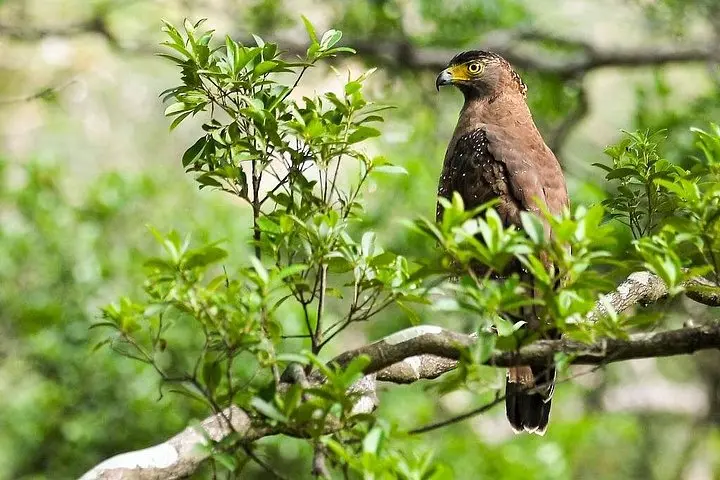
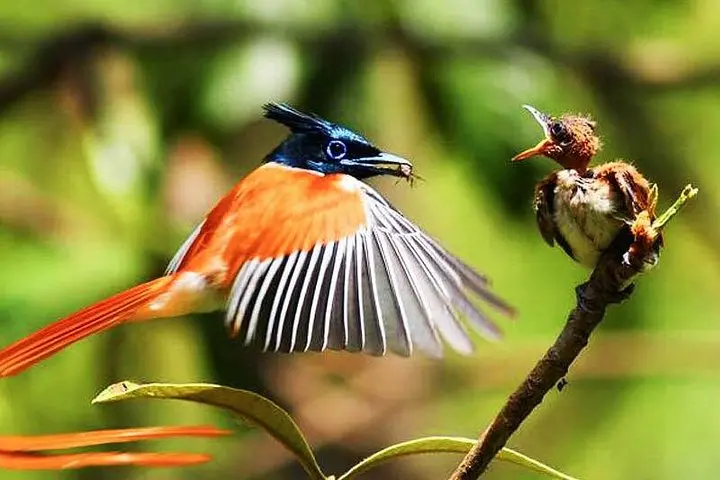
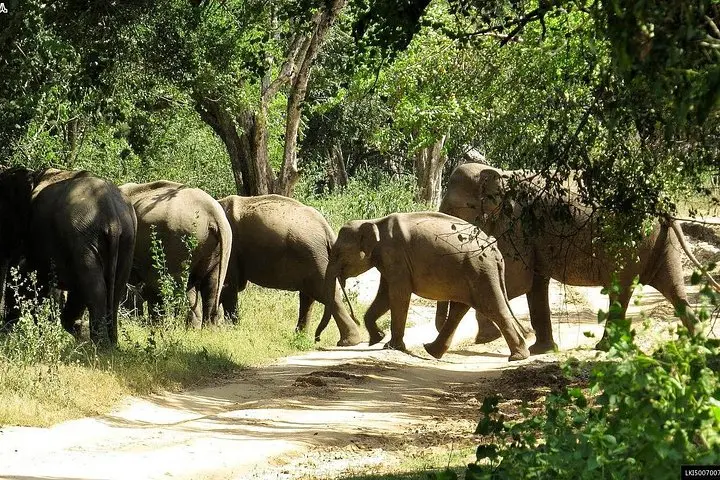
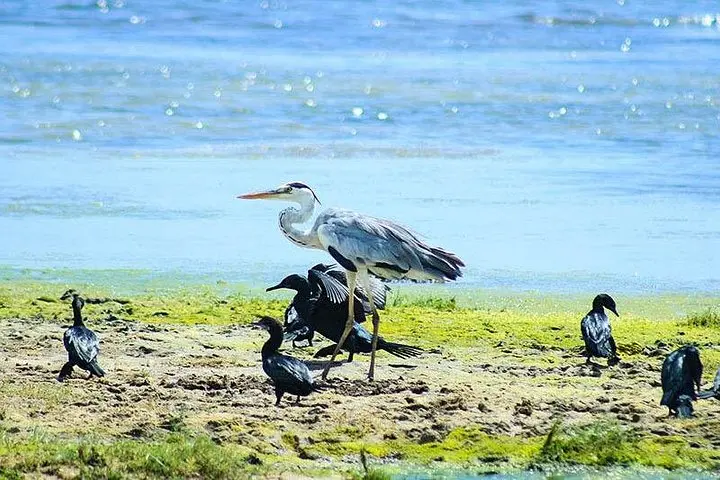
Dawn breaks in the wet-zone lowlands and the forest answers in layers: a throaty drongo, a distant monkey, and the slick shadow of a rainforest trail disappearing into verdant light.
Dawn breaks in the wet-zone lowlands and the forest answers in layers: a throaty drongo, a distant monkey, and the slick shadow of a rainforest trail disappearing into verdant light.
This six-day loop moves from southern coastline to interior rainforest—Mirissa’s choppy blue for morning whale watches, then the dense, humid corridors of Sinharaja for multi-day birding and mammal spotting. Sinharaja is one of Sri Lanka’s last extensive tracts of primary rainforest and supports dozens of endemic species; Galle’s Dutch Fort, encountered en route, anchors the trip in the island’s colonial trade history.
Geology here is old—weathered gneiss and schist under thin soils that nurture tall canopy trees and tangled understory vines. Culture along the coast and in market towns is shaped by fishing and plantation histories: you’ll pass coconut groves and small tea plots between sightings.
Expect active, lowland fieldwork rather than strenuous alpine hiking. Trail surfaces are often muddy, rooted and narrow; daily birding loops typically range 3–8 km with short climbs and occasional jeep transfers to trailheads. At sea, trips run 3–4 hours from Mirissa harbors; sightings of blue and Bryde’s whales are seasonally variable.
Practical notes: travel by private vehicle links sites across long but scenic drives, accommodation is basic forest lodge to coastal hotels, and guides focus on early starts when birds and mammals are most active. Bring binoculars, light rain protection, insect repellent and patience—the forest moves on its own timetable and will reveal species in sudden, electric moments.