THE ADVENTURE COLLECTIVE® · Independent discovery and booking for outdoor travel

An immersive six-day private tour from Dhaka that pairs overnight train travel with a multi-night launch cruise through the Sundarbans’ tidal channels—explore mangrove trails, watch towers and the Karamjal wildlife centre while learning local river culture.
An immersive six-day private tour from Dhaka that pairs overnight train travel with a multi-night launch cruise through the Sundarbans’ tidal channels—explore mangrove trails, watch towers and the Karamjal wildlife centre while learning local river culture.
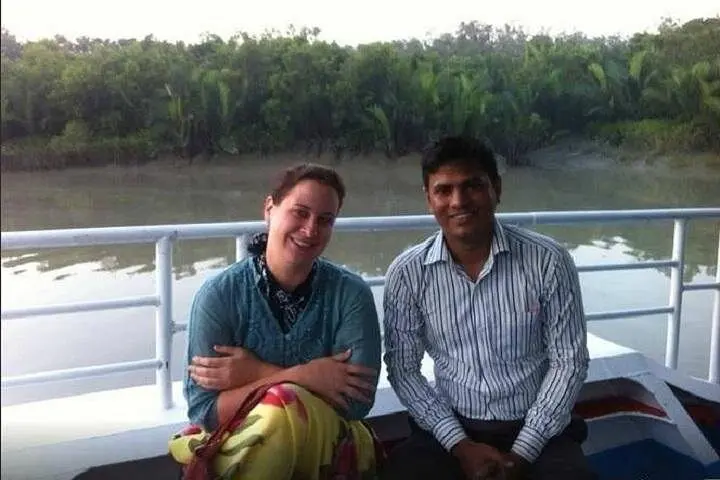
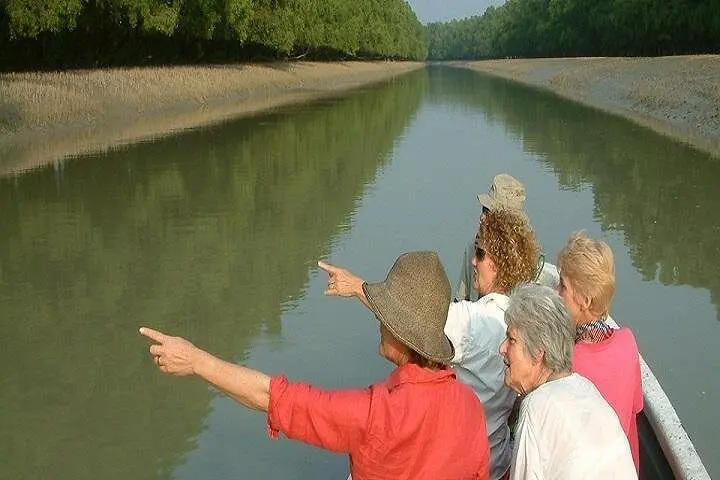
You step off the rickshaw in Khulna before dawn and the air already tastes of brine and wood smoke. By the time the launch slips away from the ghat, tidal channels have opened like roads through green walls of prop roots; the river dares you to follow.
Verified experiences and guided adventures in the surrounding area.
Operated by MAM Holidays Limited · Khulna, Khulna Division
You step off the rickshaw in Khulna before dawn and the air already tastes of brine and wood smoke. By the time the launch slips away from the ghat, tidal channels have opened like roads through green walls of prop roots; the river dares you to follow.
The Sundarbans are the largest single mangrove forest on Earth, formed where the Ganges–Brahmaputra delta meets the Bay of Bengal. Centuries of silt, salt and riverine motion built the islands; people and wildlife adapted to tides, not trails. The region’s mosques and khals reflect Bengali river culture—fishing, boat-building and a history of colonial trade routes that threaded this landscape for generations.
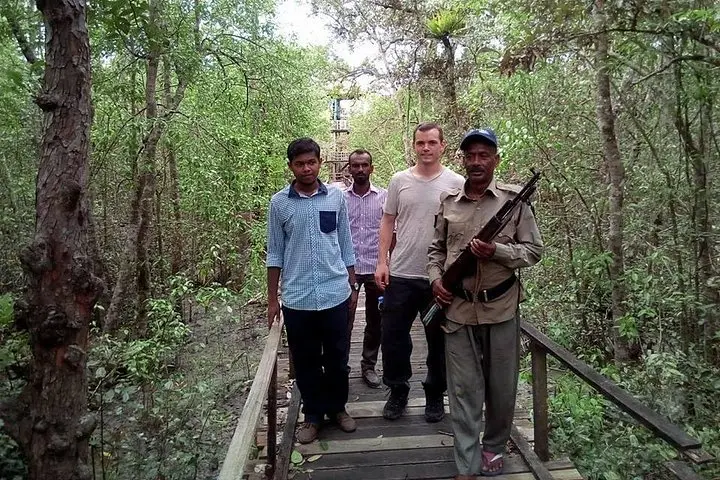
This private, multi-day tour pairs overnight train travel (Dhaka–Khulna) with three nights aboard a local launch, cruising to Herbaria, Kachikhali, Katka and the Karamjal wildlife center. Expect slow daytime motoring between channels (Khulna to Dhangmari is roughly a 4–5 hour river transfer), guided walks on short mangrove trails, lookout towers for sunsets and the chance to bathe at Katka’s sea edge. Wildlife highlights include estuarine crocodiles, kingfishers and, with patience and luck, signs of Royal Bengal tigers—tracks, scrapes and territorial markings rather than guaranteed sightings.
Practically: carry a printed passport copy and bring insect repellent, sun protection and a small dry bag for electronics. The official forest entry fee listed for organized visits applies (USD $115 noted by operators). Follow guides and forest guards closely—tides and tides’ currents dictate timing. Traveling September to March reduces monsoon risk and keeps temperatures pleasant; mornings are chillier near the water. Move slowly, listen to the creak of the hull and let the channels set your pace.
Yes — operators require a current passport copy at booking and you should carry your passport while traveling between Dhaka and Khulna.
Tigers are present but elusive; sightings are not guaranteed. Guides focus on signs—tracks, scrapes and scrubbed areas—and prioritize safety and habitat protection.
Most itineraries include an evening train from Dhaka to Khulna, then a morning river transfer by launch to the Sundarbans’ Dhangmari entry point (roughly a 4–5 hour launch transit depending on tides).
Yes — licensed forest guides and guards accompany visits. Follow instructions, avoid solo walks, and do not feed or approach wildlife.
MAM Holidays Limited operates guided outdoor trips and adventures with an emphasis on safety, stewardship, and memorable experiences.
You step off the rickshaw in Khulna before dawn and the air already tastes of brine and wood smoke. By the time the launch slips away from the ghat, tidal channels have opened like roads through green walls of prop roots; the river dares you to follow.
You step off the rickshaw in Khulna before dawn and the air already tastes of brine and wood smoke. By the time the launch slips away from the ghat, tidal channels have opened like roads through green walls of prop roots; the river dares you to follow.
The Sundarbans are the largest single mangrove forest on Earth, formed where the Ganges–Brahmaputra delta meets the Bay of Bengal. Centuries of silt, salt and riverine motion built the islands; people and wildlife adapted to tides, not trails. The region’s mosques and khals reflect Bengali river culture—fishing, boat-building and a history of colonial trade routes that threaded this landscape for generations.
This private, multi-day tour pairs overnight train travel (Dhaka–Khulna) with three nights aboard a local launch, cruising to Herbaria, Kachikhali, Katka and the Karamjal wildlife center. Expect slow daytime motoring between channels (Khulna to Dhangmari is roughly a 4–5 hour river transfer), guided walks on short mangrove trails, lookout towers for sunsets and the chance to bathe at Katka’s sea edge. Wildlife highlights include estuarine crocodiles, kingfishers and, with patience and luck, signs of Royal Bengal tigers—tracks, scrapes and territorial markings rather than guaranteed sightings.
Practically: carry a printed passport copy and bring insect repellent, sun protection and a small dry bag for electronics. The official forest entry fee listed for organized visits applies (USD $115 noted by operators). Follow guides and forest guards closely—tides and tides’ currents dictate timing. Traveling September to March reduces monsoon risk and keeps temperatures pleasant; mornings are chillier near the water. Move slowly, listen to the creak of the hull and let the channels set your pace.