
6-Day Tanzania Big Five Safari: Arusha to Serengeti & Ngorongoro
Trace a classic circuit from Arusha through Tarangire, the Central Serengeti and Ngorongoro Crater on this six‑day Big Five safari—expect long game drives, dramatic plains, and close encounters with Africa’s iconic mammals. Read on for what to pack, when to go, and how the parks differ.
An Adventure In Arusha.
Trace a classic circuit from Arusha through Tarangire, the Central Serengeti and Ngorongoro Crater on this six‑day Big Five safari—expect long game drives, dramatic plains, and close encounters with Africa’s iconic mammals. Read on for what to pack, when to go, and how the parks differ.
Read the full experience
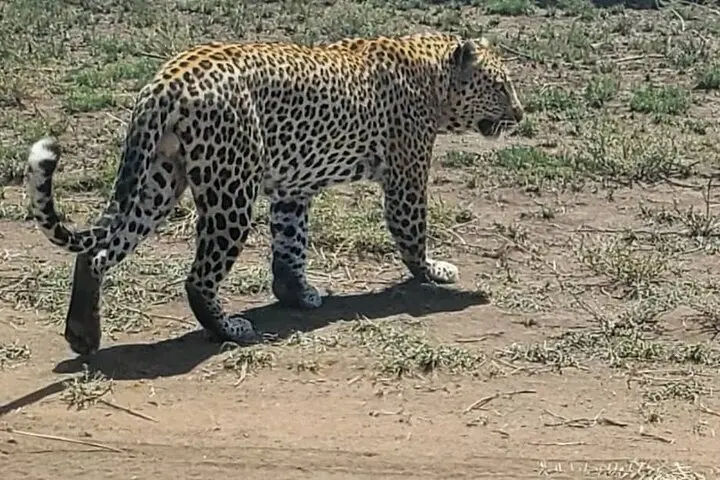
You step from the dust of a gravel airstrip into a wide African sky: heat rising off open plains, acacia silhouettes etched against distant kopjes. The first morning in Tarangire puts you within shouting distance of baobabs and herds that move like slow weather; by day three the Serengeti’s empty horizon swallows the jeep and your guide's voice sharpens when a cat is spotted.
You step from the dust of a gravel airstrip into a wide African sky: heat rising off open plains, acacia silhouettes etched against distant kopjes. The first morning in Tarangire puts you within shouting distance of baobabs and herds that move like slow weather; by day three the Serengeti’s empty horizon swallows the jeep and your guide's voice sharpens when a cat is spotted.
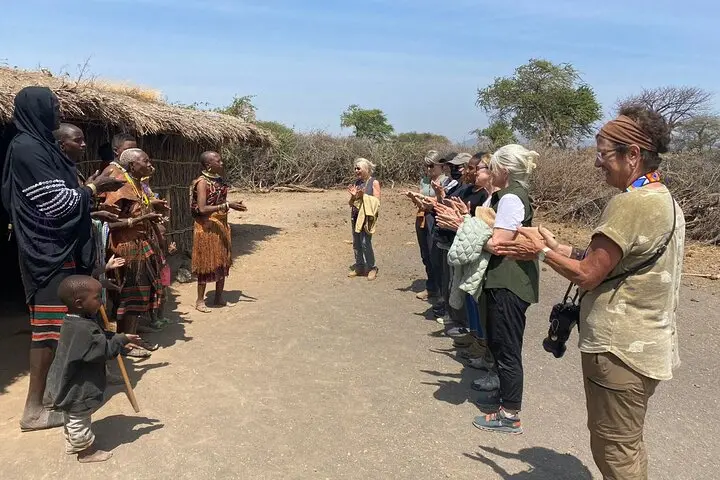
This loop links three of Tanzania’s headline ecosystems. Tarangire’s river system concentrates wildlife in the dry months; the Central Serengeti is ancient volcanic plains and rolling kopjes that host the great migration corridors; Ngorongoro is the world’s largest inactive volcanic caldera, a collapsed mountain with its own microclimate and high density of resident species. The Maasai people have grazed the highlands for generations, and their presence, alongside park regulations and tourist fees, plays a role in ongoing conservation.
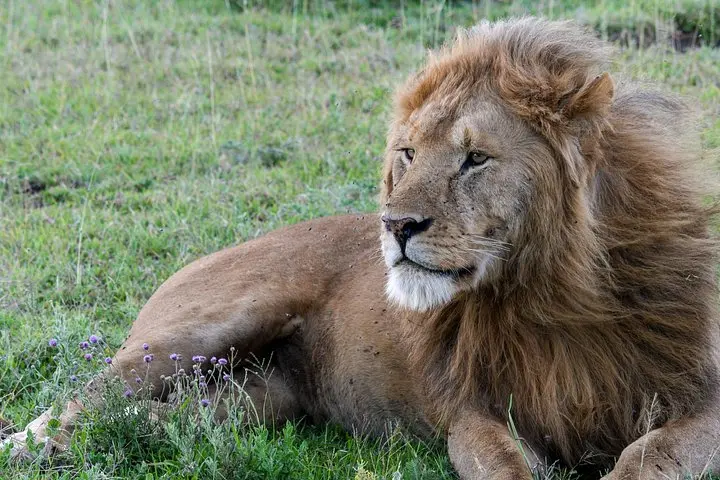
Expect long drives between gates and guided game drives from early morning into the golden hour. Wildlife pacing is unpredictable: a half-day can yield lions and elephants; sometimes the show waits. Lodges and a wilderness camp provide basic comforts and local cuisine after sun-baked days.
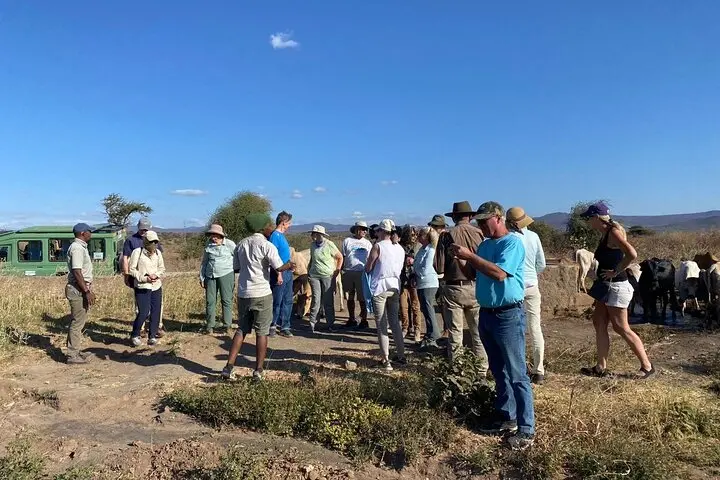
Practical guidance: travel light but with layered clothing for sharp morning chill and hot afternoons, carry binoculars and plenty of water, and keep camera batteries charged. Respect park rules—stay in the vehicle unless directed—and budget for park and crater fees that are generally included. With patience and good guides, this itinerary delivers classic Big Five encounters and the wide-open rhythms of East African savanna.
Frequently asked questions
This itinerary lists park fees in the inclusions; confirm at booking whether all entrance and conservation fees are fully covered.
Consult your travel clinic—yellow fever proof may be required depending on origin; malaria prophylaxis is commonly recommended for northern Tanzania.
Expect several hours in vehicles on transfer days and full-day game drives of 6–8 hours with stops for picnic lunches.
Children can participate but length and hours may be tiring; while vehicles and some sites are accessible, crater rims and rough tracks limit mobility—check specifics before booking.
About This Experience
Go Expeditions Africa operates guided outdoor trips and adventures with an emphasis on safety, stewardship, and memorable experiences.
Adventure tips
Recommended gear
- Binoculars (8–12x): Essential for spotting distant game and birdlife across the plains.
- Sun hat & SPF sunscreen: Protects from strong equatorial sun during mid-day drives.
- Light insulating layer: Cool mornings in the crater and early drives require a warm layer.
- Sturdy closed-toe shoes: Useful for short walks around lodges and uneven surfaces at viewpoints.
Photos of the experience
Related adventures & guides
Read the full experience
You step from the dust of a gravel airstrip into a wide African sky: heat rising off open plains, acacia silhouettes etched against distant kopjes. The first morning in Tarangire puts you within shouting distance of baobabs and herds that move like slow weather; by day three the Serengeti’s empty horizon swallows the jeep and your guide's voice sharpens when a cat is spotted.
You step from the dust of a gravel airstrip into a wide African sky: heat rising off open plains, acacia silhouettes etched against distant kopjes. The first morning in Tarangire puts you within shouting distance of baobabs and herds that move like slow weather; by day three the Serengeti’s empty horizon swallows the jeep and your guide's voice sharpens when a cat is spotted.
This loop links three of Tanzania’s headline ecosystems. Tarangire’s river system concentrates wildlife in the dry months; the Central Serengeti is ancient volcanic plains and rolling kopjes that host the great migration corridors; Ngorongoro is the world’s largest inactive volcanic caldera, a collapsed mountain with its own microclimate and high density of resident species. The Maasai people have grazed the highlands for generations, and their presence, alongside park regulations and tourist fees, plays a role in ongoing conservation.
Expect long drives between gates and guided game drives from early morning into the golden hour. Wildlife pacing is unpredictable: a half-day can yield lions and elephants; sometimes the show waits. Lodges and a wilderness camp provide basic comforts and local cuisine after sun-baked days.
Practical guidance: travel light but with layered clothing for sharp morning chill and hot afternoons, carry binoculars and plenty of water, and keep camera batteries charged. Respect park rules—stay in the vehicle unless directed—and budget for park and crater fees that are generally included. With patience and good guides, this itinerary delivers classic Big Five encounters and the wide-open rhythms of East African savanna.
Make a day of it nearby.
Verified experiences and guided adventures in the surrounding area.