THE ADVENTURE COLLECTIVE® · Independent discovery and booking for outdoor travel

In six days this guided circuit stitches together the otherworldly rockscapes of Cappadocia, the coastal charm of Antalya, the milky terraces of Pamukkale and the ruins of Ephesus. Ideal for travelers who want history, geology and efficient logistics: three internal flights, five nights in quality hotels.
In six days this guided circuit stitches together the otherworldly rockscapes of Cappadocia, the coastal charm of Antalya, the milky terraces of Pamukkale and the ruins of Ephesus. Ideal for travelers who want history, geology and efficient logistics: three internal flights, five nights in quality hotels.
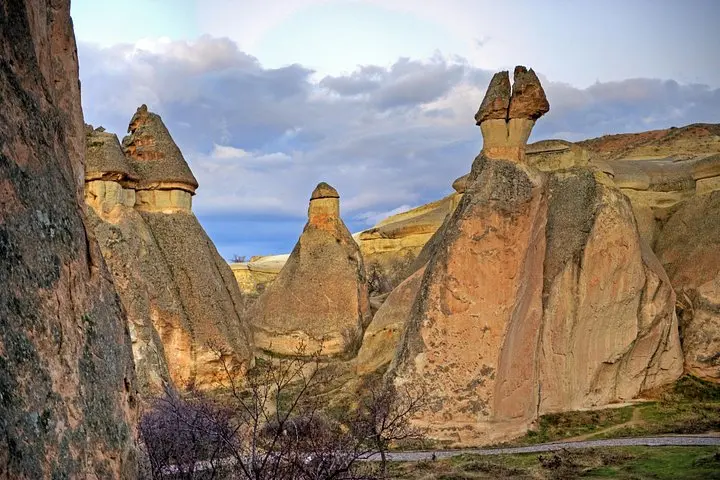
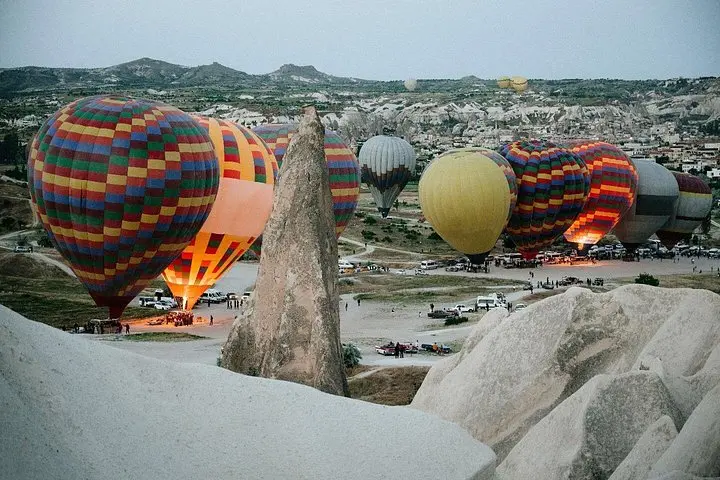
You step off the early morning flight into Cappadocia and the air is thin with dust and possibility. Low slung rock towers—fairy chimneys—rise like watchful guardians from the ochre plain; a field of balloon envelopes colors the sky at sunrise and local guides move with the quiet confidence of people who read this landscape like a map. Over six days the itinerary stitches together volcanic plateaus, Mediterranean coasts and Roman stone, so each day feels like a different chapter of the same rugged, sunbaked story.
Verified experiences and guided adventures in the surrounding area.
Operated by City of Sultans · Istanbul, Istanbul
You step off the early morning flight into Cappadocia and the air is thin with dust and possibility. Low slung rock towers—fairy chimneys—rise like watchful guardians from the ochre plain; a field of balloon envelopes colors the sky at sunrise and local guides move with the quiet confidence of people who read this landscape like a map. Over six days the itinerary stitches together volcanic plateaus, Mediterranean coasts and Roman stone, so each day feels like a different chapter of the same rugged, sunbaked story.
Cappadocia’s landscape is young in geologic terms: ash and tuff from a series of volcanic eruptions solidified and then eroded into pinnacles and caves. Early Christians carved whole communities into that soft stone—Goreme’s cave churches and subterranean cities speak to a landscape that sheltered faith and trade. By day three the tour drops you into Antalya, where the Taurus Mountains push toward the sea; pine-scented slopes meet Mediterranean blue. Pamukkale’s travertine terraces are a chemical poem—thermal waters depositing minerals that build the “cotton castle” over millennia—while Ephesus reads like a classroom in the Roman Empire, with the Celsus Library and Great Theatre still upright enough to recall the scale of civic life.
Local culture threads through every stop: potters in Avanos shaping red clay on kick wheels, shepherds who tend cliffside flocks outside small towns, and seaside fish markets in Kusadasi where you pick the day’s catch. Guides on the tour supply history and context—why Hierapolis rose where it did, or how trade routes shaped Ephesus—and they flag conservation issues, from fragile travertines to the limits placed on balloon flights.
Practicalities matter on a tour that moves fast. Expect five hotel nights, three internal flights, and roughly 2–4 hours of guided walking at most major sites—Ephesus involves about a 2 km downhill walk from the Magnesia Gate to the harbour; Cappadocia valley walks can be 3–6 km with modest 100–300 m elevation changes. Bring footwear with good grip for uneven stone and terraces, a sun hat and layered clothing for temperature swings between morning and afternoon, and a 1–2 liter water capacity for daily walks. Plan for early mornings (balloon windows, best light) and late-afternoon arrivals in towns. Carry cash for small purchases and tips, but most major sites accept cards.
For travelers who want an efficient, context-rich sweep of Turkey’s highlights, this six-day route is a practical, sensory-forward way to see volcanic rock, Roman stone and coastal life—each place pushing you to move, look up, and listen to the history written into the landscape.
No—balloon rides are optional extras booked locally; operators launch at sunrise and availability depends on weather.
Moderate fitness: expect uphill/downhill walks of up to 6 km in Cappadocia and a 2 km downhill route through Ephesus.
The tour includes three internal flights and admissions noted by the operator; check the itinerary for which sites include entrance fees.
Yes—there is limited free time each day for shopping, cafés or short independent strolls; full-day activities are guided as scheduled.
Not recommended for travelers with serious mobility, spinal or cardiovascular issues due to uneven terrain and multiple walking segments.
Guides typically operate in English; confirm language availability at booking if you need another language.
City of Sultans operates guided outdoor trips and adventures with an emphasis on safety, stewardship, and memorable experiences.

You step off the early morning flight into Cappadocia and the air is thin with dust and possibility. Low slung rock towers—fairy chimneys—rise like watchful guardians from the ochre plain; a field of balloon envelopes colors the sky at sunrise and local guides move with the quiet confidence of people who read this landscape like a map. Over six days the itinerary stitches together volcanic plateaus, Mediterranean coasts and Roman stone, so each day feels like a different chapter of the same rugged, sunbaked story.
You step off the early morning flight into Cappadocia and the air is thin with dust and possibility. Low slung rock towers—fairy chimneys—rise like watchful guardians from the ochre plain; a field of balloon envelopes colors the sky at sunrise and local guides move with the quiet confidence of people who read this landscape like a map. Over six days the itinerary stitches together volcanic plateaus, Mediterranean coasts and Roman stone, so each day feels like a different chapter of the same rugged, sunbaked story.
Cappadocia’s landscape is young in geologic terms: ash and tuff from a series of volcanic eruptions solidified and then eroded into pinnacles and caves. Early Christians carved whole communities into that soft stone—Goreme’s cave churches and subterranean cities speak to a landscape that sheltered faith and trade. By day three the tour drops you into Antalya, where the Taurus Mountains push toward the sea; pine-scented slopes meet Mediterranean blue. Pamukkale’s travertine terraces are a chemical poem—thermal waters depositing minerals that build the “cotton castle” over millennia—while Ephesus reads like a classroom in the Roman Empire, with the Celsus Library and Great Theatre still upright enough to recall the scale of civic life.
Local culture threads through every stop: potters in Avanos shaping red clay on kick wheels, shepherds who tend cliffside flocks outside small towns, and seaside fish markets in Kusadasi where you pick the day’s catch. Guides on the tour supply history and context—why Hierapolis rose where it did, or how trade routes shaped Ephesus—and they flag conservation issues, from fragile travertines to the limits placed on balloon flights.
Practicalities matter on a tour that moves fast. Expect five hotel nights, three internal flights, and roughly 2–4 hours of guided walking at most major sites—Ephesus involves about a 2 km downhill walk from the Magnesia Gate to the harbour; Cappadocia valley walks can be 3–6 km with modest 100–300 m elevation changes. Bring footwear with good grip for uneven stone and terraces, a sun hat and layered clothing for temperature swings between morning and afternoon, and a 1–2 liter water capacity for daily walks. Plan for early mornings (balloon windows, best light) and late-afternoon arrivals in towns. Carry cash for small purchases and tips, but most major sites accept cards.
For travelers who want an efficient, context-rich sweep of Turkey’s highlights, this six-day route is a practical, sensory-forward way to see volcanic rock, Roman stone and coastal life—each place pushing you to move, look up, and listen to the history written into the landscape.