THE ADVENTURE COLLECTIVE® · Independent discovery and booking for outdoor travel

Trace millennia in six days: float above Cappadocia’s rock towers, walk barefoot on Pamukkale’s warm white terraces, wander Roman Ephesus, and stand where Gallipoli’s battles reshaped modern history. This compact tour pairs dramatic landscapes with archaeological depth—and practical logistics to make it doable.
Trace millennia in six days: float above Cappadocia’s rock towers, walk barefoot on Pamukkale’s warm white terraces, wander Roman Ephesus, and stand where Gallipoli’s battles reshaped modern history. This compact tour pairs dramatic landscapes with archaeological depth—and practical logistics to make it doable.
Before dawn in Cappadocia the world feels as if it holds its breath. Balloons—bright as beacons—lift from the valley like birds answering an unseen call, and the fairy chimneys throw long, cool shadows over carved cave homes. This six-day circuit takes you from that volcanic moonscape to white travertine terraces warmed by mineral springs, to the marble-and-stone streets of Ephesus, and finally to the solemn ridgelines and beaches of Gallipoli where history still hums beneath wild thyme.
Verified experiences and guided adventures in the surrounding area.
Operated by Trips Packages · Istanbul, Istanbul
Before dawn in Cappadocia the world feels as if it holds its breath. Balloons—bright as beacons—lift from the valley like birds answering an unseen call, and the fairy chimneys throw long, cool shadows over carved cave homes. This six-day circuit takes you from that volcanic moonscape to white travertine terraces warmed by mineral springs, to the marble-and-stone streets of Ephesus, and finally to the solemn ridgelines and beaches of Gallipoli where history still hums beneath wild thyme.
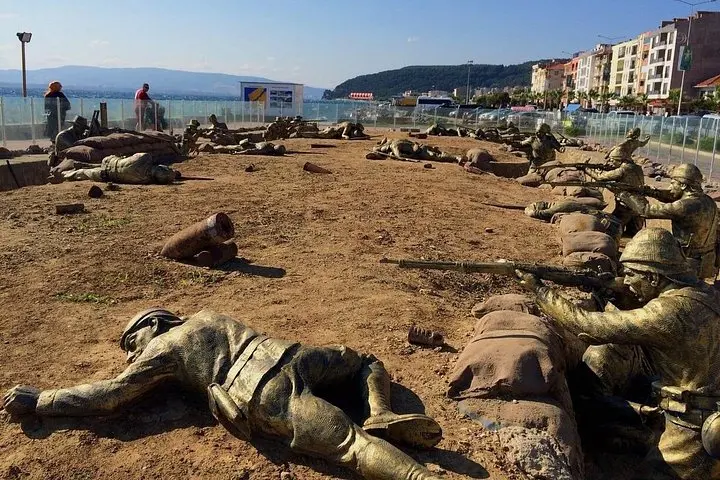
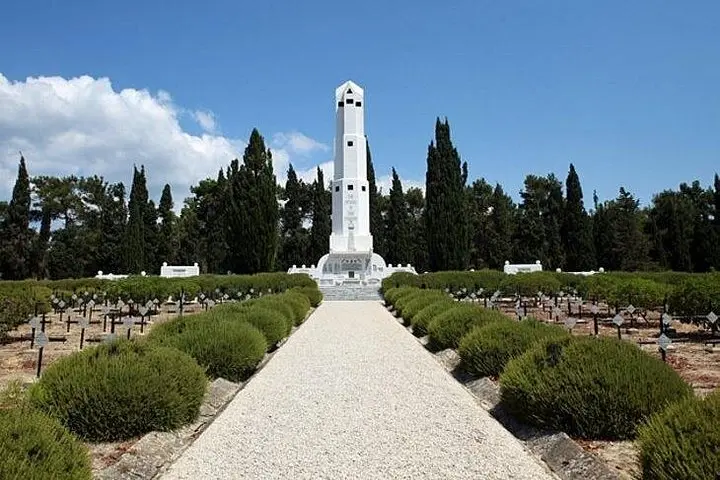
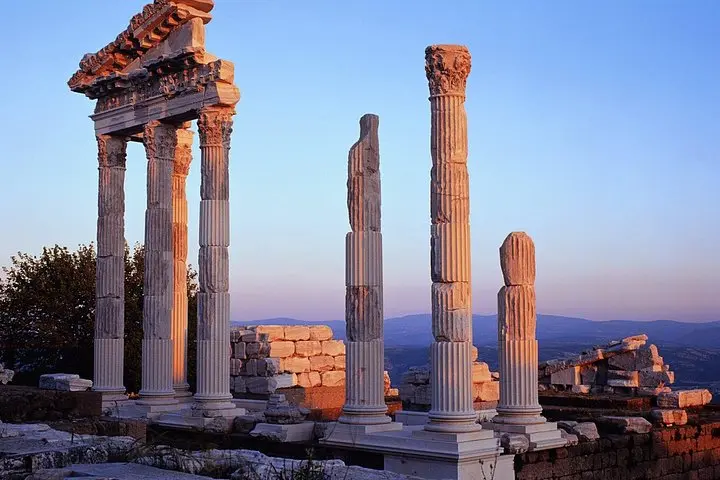
Geology explains the route: millennia of volcanic ash in central Anatolia hardened into tuff that eroded into chimneys and valleys; calcium-laden thermal waters at Pamukkale built terraces layer by layer for thousands of years. History writes the stops: Troy’s layered ruins span Bronze Age to Roman epochs; Ephesus pulses with Roman civic life in its ruined library and theater; Gallipoli is where modern ANZAC memory meets Ottoman defense in salty wind and shell-scarred earth.
Culture threads through every meal and roadside village. In Şirince, the old Greek houses now host fruit wines and small ceramic shops; in Avanos potters still fling clay on the same Red River alluvial mud that made the region’s terracotta for centuries. Local guides on the tour don't just recite dates; they place artifacts, architecture, and battlefields into human terms—families who lived here, craftsmen who carved stone, soldiers who dug trenches.
Practical guide: this is a travel-heavy itinerary with daily walking tours—expect 2–4 hours of on-foot exploration most days, steps at amphitheaters and uneven surfaces in archaeological sites. At Pamukkale you’ll walk barefoot over travertine for about 0.5 miles—bring a small towel and a zip bag for your shoes. Derinkuyu’s underground city requires tight stairs and stooping; if you’re claustrophobic, plan accordingly. Hotel pickups and intercity flights are included, but luggage limits apply (one suitcase + carry-on). Timing matters: start early for cooler temperatures and fewer crowds at Ephesus and for the balloon launches in Cappadocia. Hydrate, bring layered sun protection, and leave time for local food—try gözleme in village markets and a shared mezze plate after a long day of ruins.
This trip balances awe with logistics: dramatic landscapes and deep history, served with clear transport, daily meals, and guides who keep you moving—and informed—so you can focus on the views and the stories behind them.
No—the balloon is optional and must be booked separately; operators run flights at sunrise and availability can be limited in high season.
Many nationalities require an e-visa which should be obtained before travel; check the Turkish e-Visa website for current rules and timing.
Expect 2–4 hours of guided walking daily, with uneven terrain, steps and some short hikes—Derinkuyu and Pamukkale include stooping and barefoot sections.
Yes—internal flights listed in the itinerary, most airport transfers, hotel pickups, and ground transportation between sites are included per the itinerary.
Each traveler is allowed one suitcase and one carry-on; oversized or special luggage (golf clubs, surfboards) may be restricted—confirm with the operator ahead of booking.
The tour notes stroller access for infants, but several sites have stairs, narrow passages (Derinkuyu), or require barefoot walking—discuss special requirements with the operator when booking.
Trips Packages operates guided outdoor trips and adventures with an emphasis on safety, stewardship, and memorable experiences.
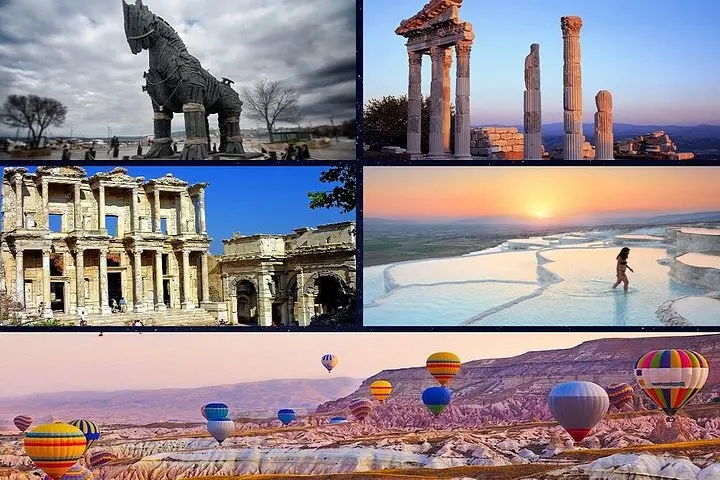
Before dawn in Cappadocia the world feels as if it holds its breath. Balloons—bright as beacons—lift from the valley like birds answering an unseen call, and the fairy chimneys throw long, cool shadows over carved cave homes. This six-day circuit takes you from that volcanic moonscape to white travertine terraces warmed by mineral springs, to the marble-and-stone streets of Ephesus, and finally to the solemn ridgelines and beaches of Gallipoli where history still hums beneath wild thyme.
Before dawn in Cappadocia the world feels as if it holds its breath. Balloons—bright as beacons—lift from the valley like birds answering an unseen call, and the fairy chimneys throw long, cool shadows over carved cave homes. This six-day circuit takes you from that volcanic moonscape to white travertine terraces warmed by mineral springs, to the marble-and-stone streets of Ephesus, and finally to the solemn ridgelines and beaches of Gallipoli where history still hums beneath wild thyme.
Geology explains the route: millennia of volcanic ash in central Anatolia hardened into tuff that eroded into chimneys and valleys; calcium-laden thermal waters at Pamukkale built terraces layer by layer for thousands of years. History writes the stops: Troy’s layered ruins span Bronze Age to Roman epochs; Ephesus pulses with Roman civic life in its ruined library and theater; Gallipoli is where modern ANZAC memory meets Ottoman defense in salty wind and shell-scarred earth.
Culture threads through every meal and roadside village. In Şirince, the old Greek houses now host fruit wines and small ceramic shops; in Avanos potters still fling clay on the same Red River alluvial mud that made the region’s terracotta for centuries. Local guides on the tour don't just recite dates; they place artifacts, architecture, and battlefields into human terms—families who lived here, craftsmen who carved stone, soldiers who dug trenches.
Practical guide: this is a travel-heavy itinerary with daily walking tours—expect 2–4 hours of on-foot exploration most days, steps at amphitheaters and uneven surfaces in archaeological sites. At Pamukkale you’ll walk barefoot over travertine for about 0.5 miles—bring a small towel and a zip bag for your shoes. Derinkuyu’s underground city requires tight stairs and stooping; if you’re claustrophobic, plan accordingly. Hotel pickups and intercity flights are included, but luggage limits apply (one suitcase + carry-on). Timing matters: start early for cooler temperatures and fewer crowds at Ephesus and for the balloon launches in Cappadocia. Hydrate, bring layered sun protection, and leave time for local food—try gözleme in village markets and a shared mezze plate after a long day of ruins.
This trip balances awe with logistics: dramatic landscapes and deep history, served with clear transport, daily meals, and guides who keep you moving—and informed—so you can focus on the views and the stories behind them.