THE ADVENTURE COLLECTIVE® · Independent discovery and booking for outdoor travel

A compact, wildlife-rich six-day loop from Entebbe to Bwindi that combines chimpanzee tracking in Kibale and Kyambura with gorilla treks in Bwindi and Mgahinga. Expect long drives, muddy hikes, and guided, close-up primate encounters.
A compact, wildlife-rich six-day loop from Entebbe to Bwindi that combines chimpanzee tracking in Kibale and Kyambura with gorilla treks in Bwindi and Mgahinga. Expect long drives, muddy hikes, and guided, close-up primate encounters.
You set out before dawn from a lodge that still smells of coffee, the Land Cruiser crunching along red mud roads while the forest hills of western Uganda fold into view.
Verified experiences and guided adventures in the surrounding area.
Operated by Iconic Travel Services · Kisoro, Western Region
You set out before dawn from a lodge that still smells of coffee, the Land Cruiser crunching along red mud roads while the forest hills of western Uganda fold into view.
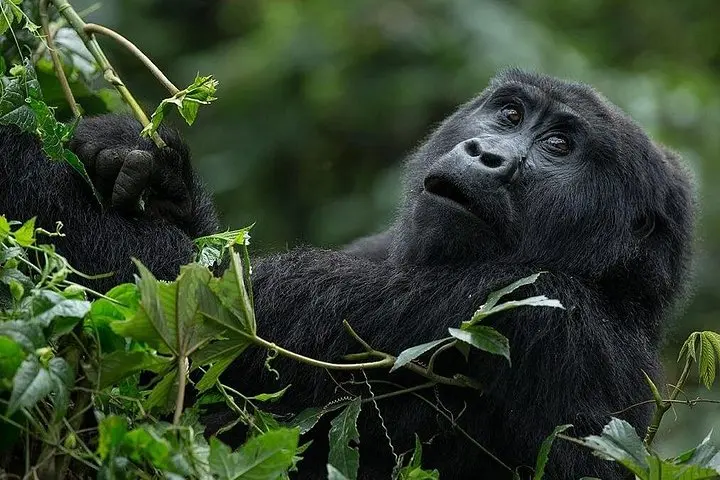
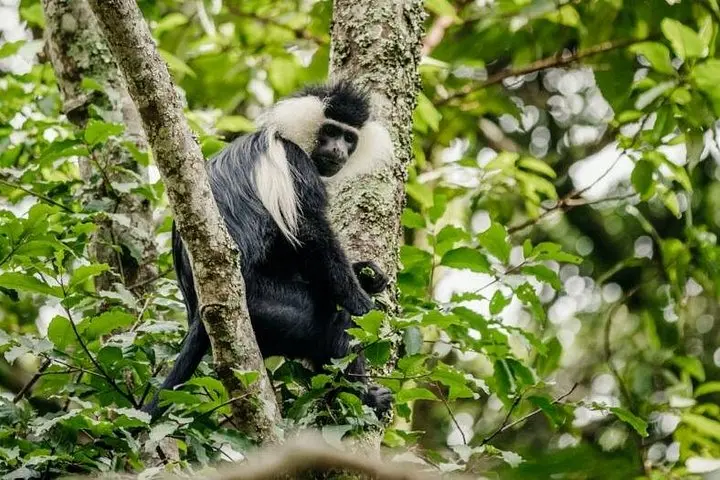
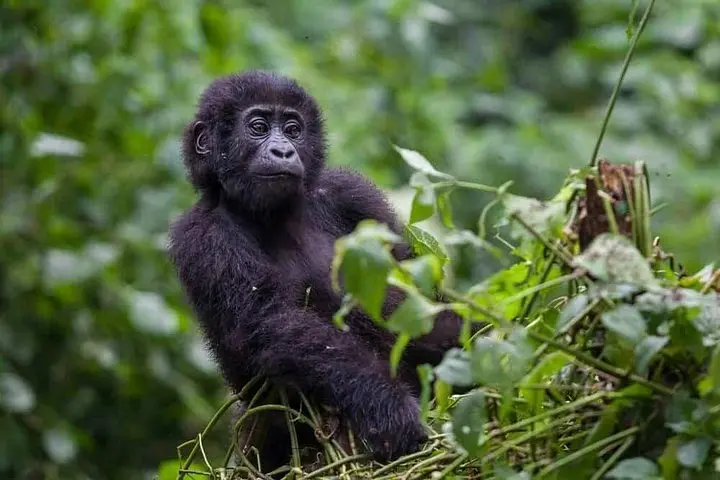
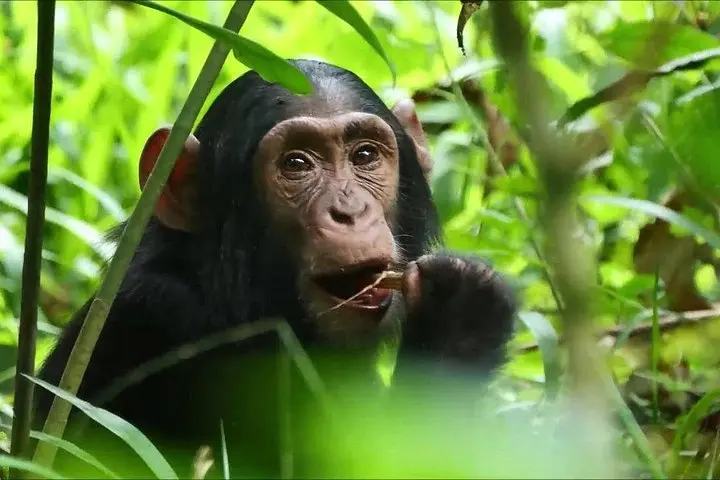
On this six-day loop you move from the primate-rich canopy of Kibale to the echoing gorge of Kyambura and into the dense, moss-slick corridors of Bwindi and Mgahinga. Kibale’s wet, layered forest gives up chimpanzee groups with chattering confidence; Kyambura’s steep walls funnel troops into close, cinematic encounters. Bwindi’s ancient forest—an island of biodiversity on volcanic soils—hides gorilla families among buttressed roots and cloud-touched slopes.
The region’s geology is recent and volcanic: crater lakes, escarpments, and the Virunga massif shape routes and views. Culturally, you pass Kabyole tea farms and Batwa communities whose forest knowledge deepens the trekking narrative.
Expect full days of driving broken by intense 2–6 hour treks. Trails range from soft leaf litter to slippery roots and steep inclines; the forest will test balance and lungs more than technical skill. Guides and rangers lead tracking, handle permits, and manage the one-hour observation limit for gorillas.
Practical guidance: carry at least 2 liters of water, wear high-traction boots and gaiters, layer for sudden rain, and pack insect repellent. Permits are required and should be confirmed before travel; fitness pays dividends—the walks are long, often muddy, and rewarding.
This is primate-focused travel with serious logistics: early starts, variable roads, and unforgettable wildlife encounters for those who come prepared.
Yes—permits are required for both gorilla and chimpanzee treks; gorilla permits are limited and should be booked well in advance.
Treks can range from 2–6 hours depending on where primates are located; trails are often steep, muddy, and require good fitness.
Yellow fever vaccination is required for entry to Uganda; consult your doctor about malaria prophylaxis and routine vaccines before travel.
Yes—Queen Elizabeth and surrounding parks host birds, forest antelope, buffalo, and in Ishasha you may spot tree-climbing lions during road transfers.
Iconic Travel Services operates guided outdoor trips and adventures with an emphasis on safety, stewardship, and memorable experiences.
You set out before dawn from a lodge that still smells of coffee, the Land Cruiser crunching along red mud roads while the forest hills of western Uganda fold into view.
You set out before dawn from a lodge that still smells of coffee, the Land Cruiser crunching along red mud roads while the forest hills of western Uganda fold into view.
On this six-day loop you move from the primate-rich canopy of Kibale to the echoing gorge of Kyambura and into the dense, moss-slick corridors of Bwindi and Mgahinga. Kibale’s wet, layered forest gives up chimpanzee groups with chattering confidence; Kyambura’s steep walls funnel troops into close, cinematic encounters. Bwindi’s ancient forest—an island of biodiversity on volcanic soils—hides gorilla families among buttressed roots and cloud-touched slopes.
The region’s geology is recent and volcanic: crater lakes, escarpments, and the Virunga massif shape routes and views. Culturally, you pass Kabyole tea farms and Batwa communities whose forest knowledge deepens the trekking narrative.
Expect full days of driving broken by intense 2–6 hour treks. Trails range from soft leaf litter to slippery roots and steep inclines; the forest will test balance and lungs more than technical skill. Guides and rangers lead tracking, handle permits, and manage the one-hour observation limit for gorillas.
Practical guidance: carry at least 2 liters of water, wear high-traction boots and gaiters, layer for sudden rain, and pack insect repellent. Permits are required and should be confirmed before travel; fitness pays dividends—the walks are long, often muddy, and rewarding.
This is primate-focused travel with serious logistics: early starts, variable roads, and unforgettable wildlife encounters for those who come prepared.